In Loke's defeat, lessons for DAP
Instead of practising succession planning, the party has become dependent on a small circle of senior leaders unwilling to relinquish political territory.
Just In
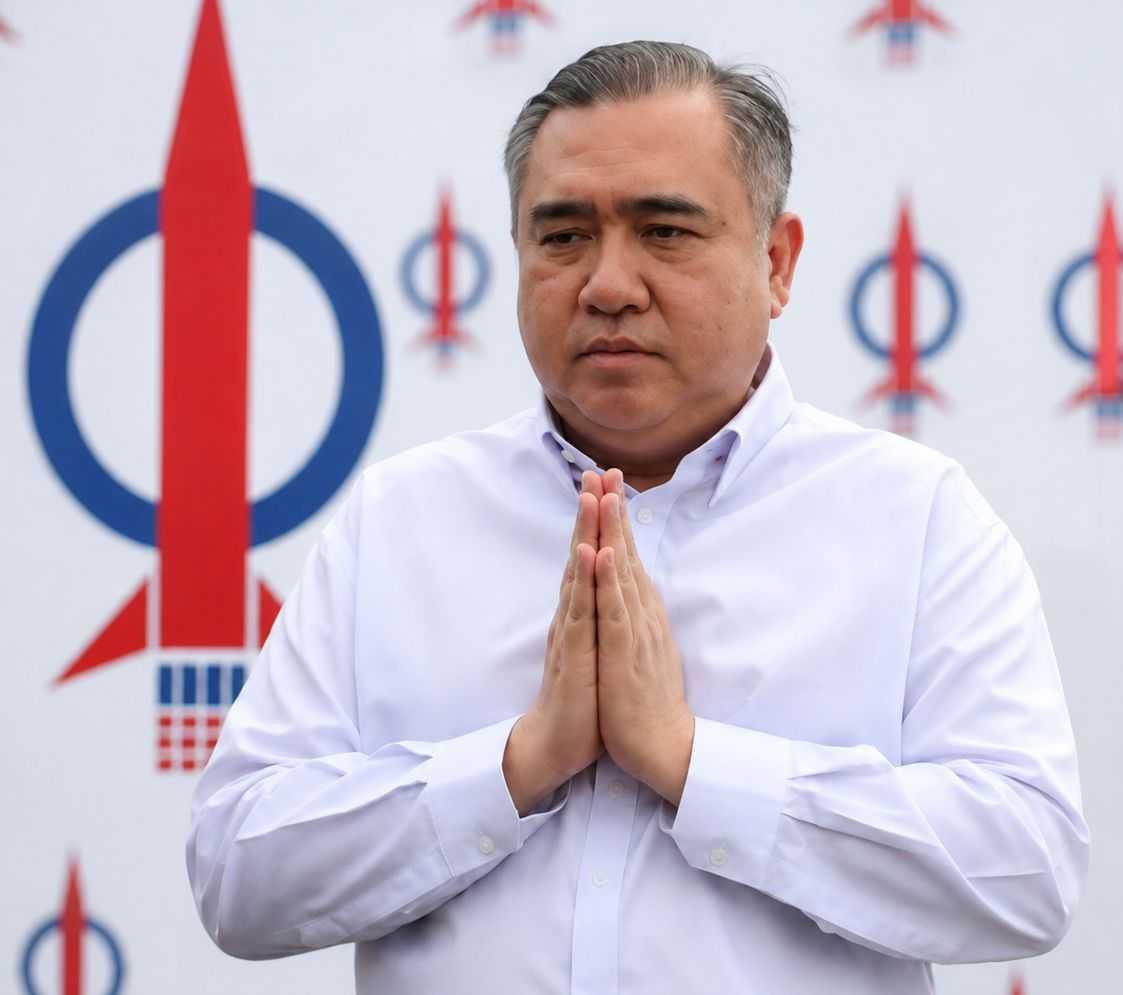
The humiliating defeat of DAP secretary-general Anthony Loke in the Negeri Sembilan state election should not simply be seen as an electoral setback. It should be remembered as the moment that finally exposed one of the party's oldest and least democratic habits: the insistence by its power brokers on contesting both Parliament and state assembly seats.
For decades, DAP has justified this practice with the convenient excuse of “leadership continuity” or “strategic necessity”. In reality, it has become little more than a mechanism for concentrating power in the hands of a small political elite.
No democratic party that genuinely believes in leadership renewal should tolerate the same individuals occupying multiple elected offices while hundreds of capable younger members wait indefinitely for an opportunity to serve.
Every state seat monopolised by a federal heavyweight is one less chance for a new generation to gain legislative experience, prove themselves to voters and develop into future national leaders.
This has never been about public service. It has been about political control. The irony is especially painful for a party that has spent decades presenting itself as Malaysia’s most democratic political organisation.
Democracy is not merely about holding internal elections every few years. It also requires the deliberate sharing of political opportunities, the decentralisation of authority and the willingness of senior leaders to make way for younger successors.
Instead, DAP has too often practised precisely the opposite.
The concentration of parliamentary and state positions among a handful of senior leaders has created an unhealthy culture in which political influence becomes increasingly centralised. Local leaders become dependent on national personalities.
State branches struggle to cultivate independent leadership. Young politicians find promotion blocked unless an established figure decides to retire – a decision that too often never comes.
Loke’s defeat has now demonstrated the risks of this outdated strategy. Rather than strengthening the party, concentrating responsibility in one individual has left it more vulnerable. When one political heavyweight falls, the consequences reverberate throughout the organisation.
A healthy political party distributes leadership; it does not concentrate it. Many mature democracies recognise this principle. Political renewal is treated not as a threat but as a necessity. Senior politicians mentor successors rather than permanently occupying every strategic position available.
Institutions become stronger because they are built on teams rather than personalities. DAP should learn that lesson before voters teach it again.
The practice of contesting both federal and state seats belongs to another era. It reflects a politics of insecurity, where leaders appear unwilling to trust anyone except themselves. Such behaviour sends an unmistakable message to younger members: your loyalty is welcome, but your leadership is not.
No party can claim to champion meritocracy while denying opportunities to its own talented members.
Loke’s defeat should therefore become more than an individual political disappointment. It should serve as the catalyst for sweeping democratic reform within DAP.
The party should adopt a clear principle: one leader, one elected legislature. MPs should concentrate on national issues. State assemblymen should build state leadership. Federal leaders should resist the temptation to dominate state politics simply because they possess greater name recognition.
Note Andy Burnham’s resignation as mayor of Greater Manchester when he contested a federal seat.
Such reform would immediately create opportunities for younger leaders, strengthen state organisations, broaden the party’s talent pool and reduce the excessive concentration of power that has characterised DAP’s internal culture for far too long.
If DAP genuinely believes in democratic renewal for Malaysia, it must first demonstrate democratic renewal within its own ranks. The old guard has often spoken about institutional reform. Now it is time to practise it.
Loke’s defeat should not merely close one electoral chapter. It should close the chapter on DAP’s culture of political monopolies. Anything less would simply confirm that, despite all its rhetoric about reform, DAP remains captive to the same entrenched political elite who have mistaken leadership for ownership and public office for personal entitlement.
Karpal’s reminder
One of the hallmarks of mature democratic parties around the world is that they institutionalise leadership renewal. Whether through formal term limits, succession planning, or simply an established political culture of stepping aside, successful parties understand that no individual is indispensable.
This was articulated some years ago by one of DAP’s more principled leaders, Karpal Singh. DAP leaders are expected not merely to win elections, but to cultivate the next generation capable of replacing them.
The best political leaders measure their success not by how long they remain in office, but by how many capable successors they leave behind.
This is why many democratic systems consciously avoid the excessive accumulation of political office in a single individual. Leadership is dispersed rather than concentrated.
Younger politicians are deliberately given opportunities to contest winnable seats, gain administrative experience, and establish their own public credibility. Such renewal strengthens institutions because the party becomes larger than any one personality.
DAP has increasingly moved in the opposite direction. Instead of practising succession planning, it has become dependent on an increasingly small circle of senior leaders who seem unwilling to relinquish political territory. Contesting both parliamentary and state seats has become less a strategic necessity than a symbol of entrenched political entitlement.
This is precisely the political culture DAP spent decades condemning in Barisan Nasional.
For years, DAP criticised Umno for concentrating power in the hands of political warlords, suppressing younger talent, rewarding loyalty over renewal, and treating constituencies as personal fiefdoms.
Yet when senior DAP leaders insist on simultaneously dominating both federal and state politics, what meaningful distinction remains?
The party that once demanded institutional reform now risks becoming an institution resistant to reform. Every parliamentary leader who also occupies a state seat sends an unmistakable message throughout the party hierarchy: advancement depends less on merit than on waiting for the old guard to vacate their positions. Such a culture breeds frustration, discourages initiative, and eventually drives away talented younger members who see little prospect of meaningful advancement.
No political party can indefinitely survive on yesterday’s heroes. Loke’s electoral defeat should therefore be viewed not simply as the loss of one senior politician but as a warning against an outdated organisational culture that has concentrated authority for far too long.
Rather than seeking yet another justification for maintaining the status quo, DAP should seize this opportunity to undertake genuine democratic reform. It should adopt a clear principle that no senior leader should simultaneously monopolise federal and state representation. Leadership renewal should become an institutional obligation rather than a matter of personal discretion.
If DAP truly wishes to distinguish itself from the old politics it has spent half a century attacking, it must demonstrate that leadership is a trust, not a possession; that public office is a responsibility, not a lifetime entitlement; and that the strongest leaders are those confident enough to make themselves replaceable.
Otherwise, the party risks becoming what it once opposed: an organisation where political power is accumulated, succession is postponed, and reform remains a slogan rather than a practice.
Kua Kia Soong is director of human rights group Suaram and a former DAP MP.
The views expressed in this article are those of the author(s) and do not necessarily reflect the position of MalaysiaNow.
See more of our coverage in your search results.
Subscribe to our newsletter
To be updated with all the latest news and analyses daily.