
DAP's 'policy man' sparks backlash over remarks on royal decrees amid Sultan’s Rukun Negara reminder
It follows Sultan Sharafuddin Idris Shah's rebuke of two politicians who oppose a ban on pig farming.
Just In
A senior DAP leader has come under fire from social media users after stating that decrees issued by sultans have no place in the constitution, adding that it limits the powers of the Malay rulers to specific roles.
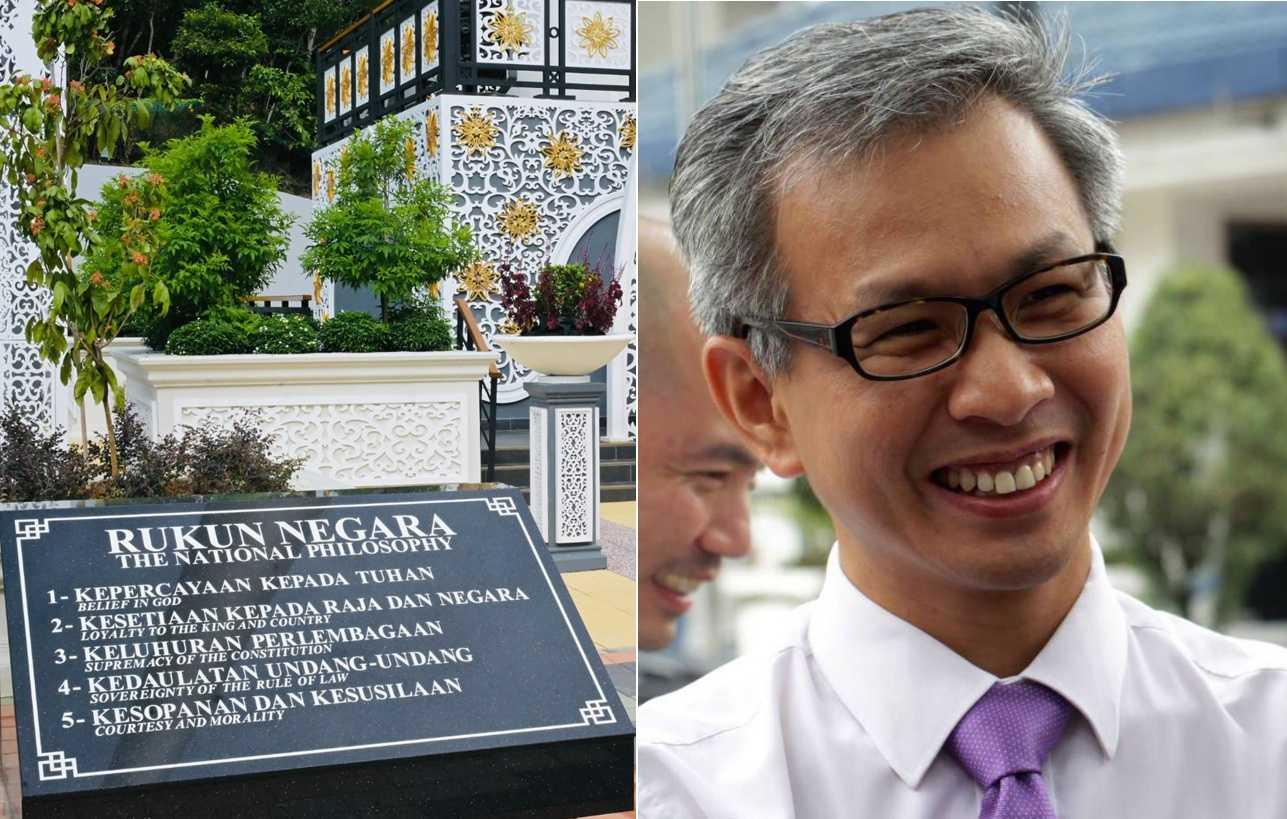
Tony Pua, who in 2022 was appointed as the policy adviser to DAP secretary-general Anthony Loke, made his statement just hours after the Sultan of Selangor reminded elected politicians in the state of the Rukun Negara principle of loyalty to the royal institution.
According to Pua, Malay rulers are constitutional monarchs whose powers are limited to matters of Malay customs, Islam, and constitutional roles such as appointing the menteri besar and dissolving state assemblies.
"Yes, I am loyal to King and Country, will abide the Rule of Law based on our Supreme Constitution. Not decrees," said Pua, in remarks seen as defending the party's assemblyman for Seri Kembangan, Wong Siew Ki, and former state executive councillor Ronnie Liu.
Both Wong and Liu were singled out by Sultan Sharafuddin Idris Shah as he urged all elected representatives in the state to refresh their understanding of the Rukun Negara by frequently visiting Dataran Selangor in Shah Alam, where a Rukun Negara Monument Plaque lists the five national principles.
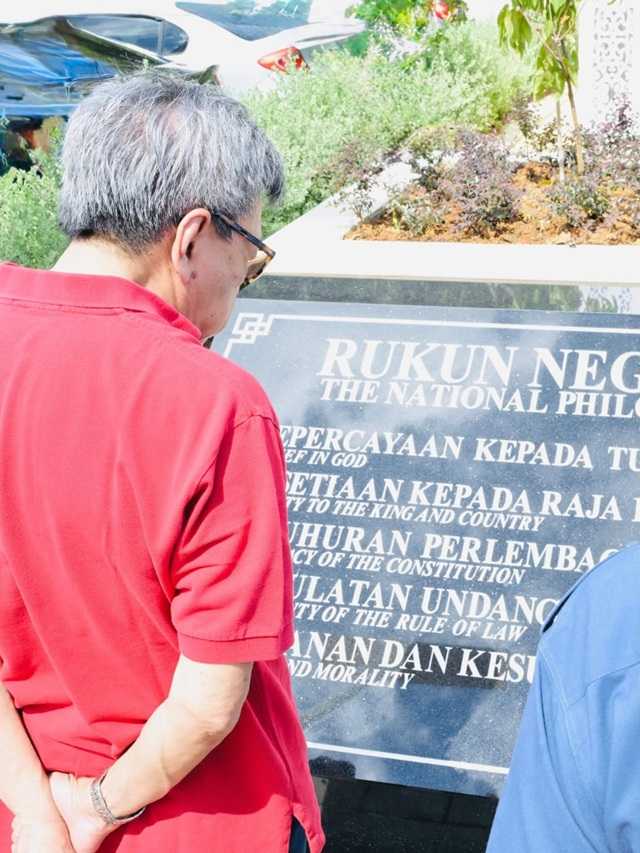
Stating that all state assemblymen should pay fortnightly visits to the square, the sultan added that both Wong and Liu should visit once a week "to understand and appreciate the meaning of the Rukun Negara so that they become citizens who know how to respect the sovereignty of the royal institution and uphold decency and good behaviour".
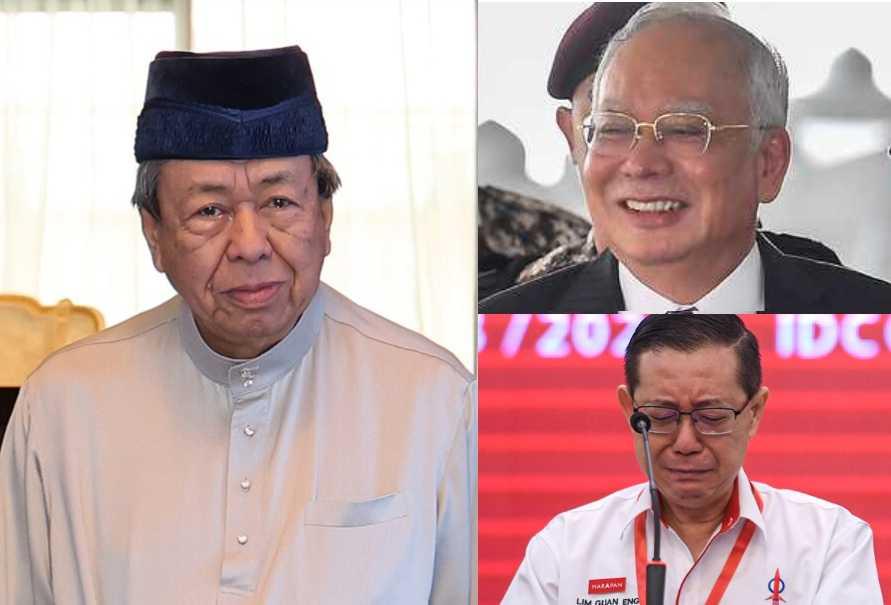
The duo have been in the spotlight over their reservations about the sultan's decree earlier this year to end pig farming across the state following public complaints about environmental pollution. Instead, the sultan proposed that pork be imported to meet the needs of the non-Muslim community.
Despite the decree, Wong on April 22 suggested that pig farming in the state could continue by adopting modern farming methods.
Following this, on May 7, the sultan issued a royal decree urging an end to the debate on pig farming activities, reiterating his call for an end to the pig industry in the state.
The next day, Liu, who had earlier questioned the Selangor DAP leadership for not opposing the ban on pig farming, urged pig farmers to file a judicial review, saying their rights are protected by the Federal Constitution.
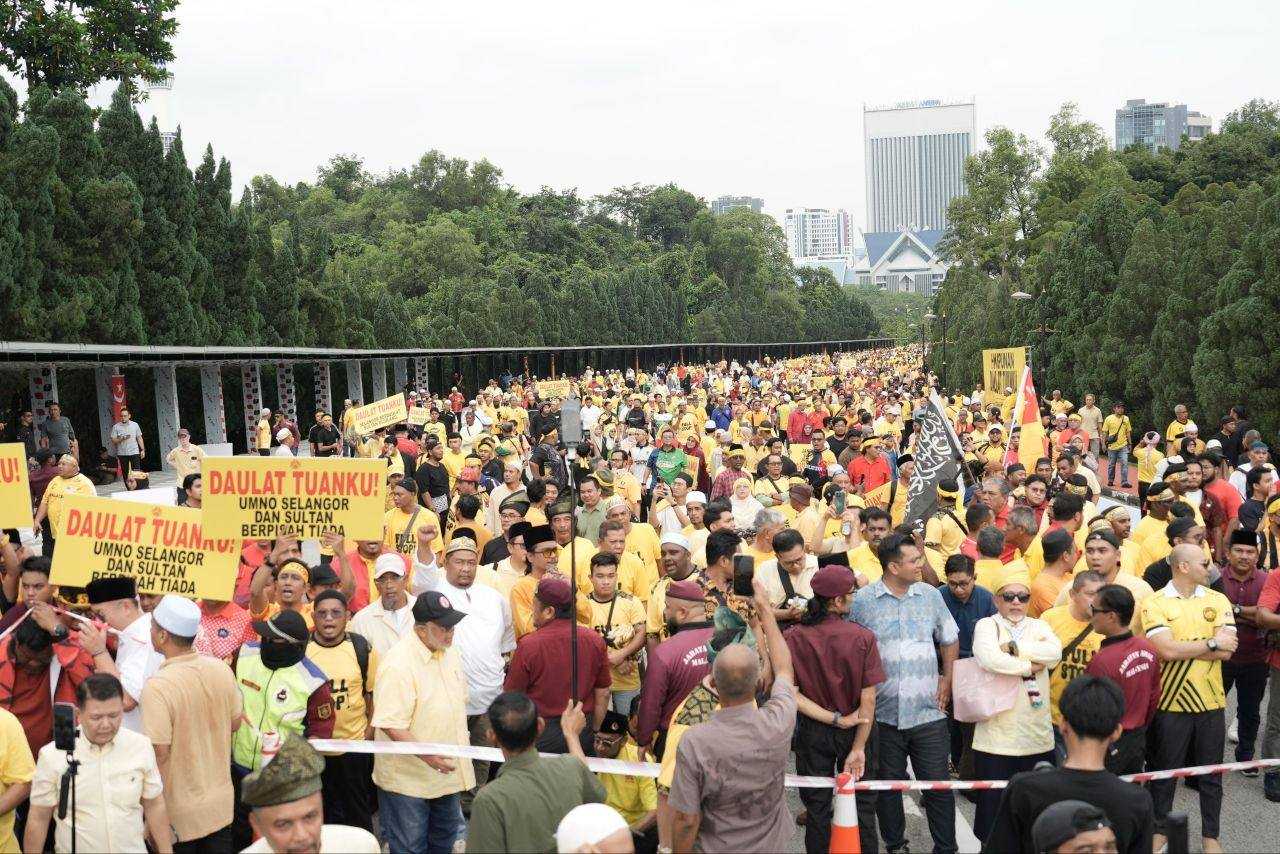 The remarks sparked angry reactions from Malay leaders across the political divide, culminating in last Saturday's large rally in Shah Alam organised by Perikatan Nasional and Malay groups as a show of solidarity with the sultan.
While Liu today appeared to welcome the sultan's reminder by thanking the monarch "with utmost humility and high respect", Pua said the country's system does not allow a monarch to "issue binding decrees which legislate all aspects of our lives".
"We have the Parliament and state assemblies, comprised of representatives elected by the people to make such laws and rulings," he said.
The remarks triggered a flood of comments on his Facebook accusing him of disrespecting the royal institution, while DAP supporters fought back in defence of Pua.
"This kind of insinuation is quite rude towards the Malay rulers," wrote Zaimal Md Jamal.
Others accused Pua of showing selective adherence to the Rukun Negara.
"'Loyalty to King and Country' suddenly becomes optional when royal views don’t align with certain political narratives... royal decrees carry significant moral and national weight. Parliamentary democracy and constitutional monarchy are meant to complement each other, not be framed in opposition," said JZ Juzai.
"Interesting. Constitutional monarchy when Tuanku’s position is inconvenient, but constitutional wisdom when the Madani government was formed after GE15. Very flexible principles. Truly Olympic-level constitutional gymnastics," wrote Yew Seng Wei.
Ffj Hana added: "The limitations of Sultan's rights seem familiar to the British and Japanese occupation era. It's not so now. Sultan exercises a critical check-and-balance role through his constitutional right to advise, caution, and grant royal assent to state policies."
See more of our coverage in your search results.
Subscribe to our newsletter
To be updated with all the latest news and analyses daily.


Most Read
No articles found.