A national emergency in Malaysian schools
The job of teaching loses its meaning as teachers slowly transform into data clerks and event planners.
Just In
Malaysia has a quiet crisis brewing in its teaching profession, and it has been building for some time.
Every year, more than 12,000 teachers leave, with a big chunk of them choosing early retirement. That is not just a numbers problem. It's a sign that something deeper has gone wrong.
Here's what really stings. It's not the number itself, it's why they are leaving. Nearly 62% said they had simply "lost interest". Read that again. Teaching is not something people just shrug off. Most teachers begin full of hope and patience, genuinely wanting to make a difference in children's lives. When they lose interest, you know the system has broken something important.
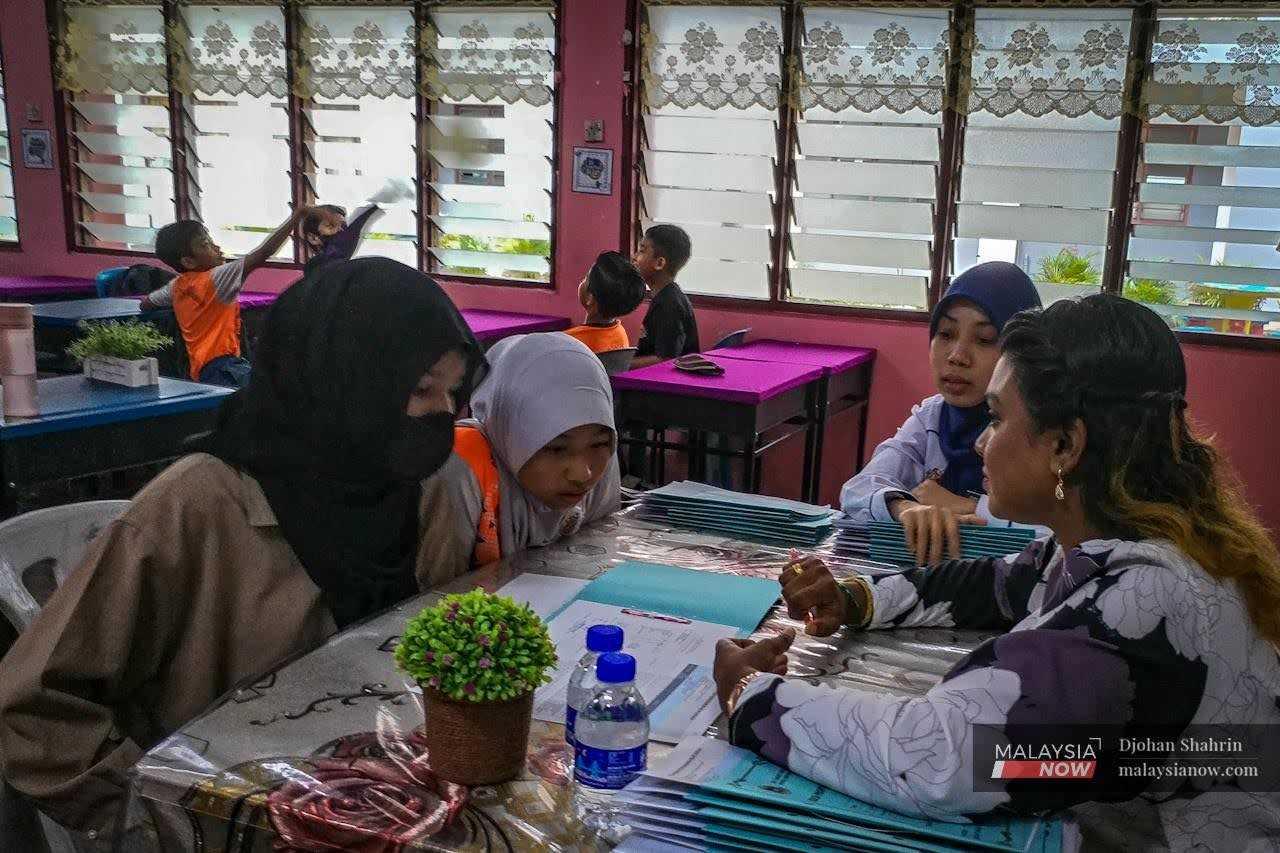
What is happening at the heart of this? Teachers have quietly turned into clerks. Across Malaysia, they spend more time filling forms, writing reports, sitting through non-academic programmes, managing digital paperwork, and following endless bureaucratic instructions than actually teaching. Education has become so obsessed with data that it has forgotten the human side.
Teachers are judged not just by how students learn, but by how well they comply with paperwork and metrics that often have nothing to do with what happens in the classroom.
Today, teachers in Malaysia are expected to be everything at once: educator, counsellor, social worker, data manager, disciplinarian, event planner, PR person. No wonder the job slowly loses its meaning.
And then there is the respect, or lack of it. A generation ago, teachers were among the most respected people in society. Now, many feel trapped between pushy parents, political interference, nasty comments on social media, and impossible expectations. One classroom incident can blow up online overnight.
Teachers often feel completely unsupported when dealing with discipline problems, while students themselves are struggling more than ever with mental health, family issues, and digital addiction.
Here is the contradiction we refuse to face: we want a world-class education system, but we treat teachers like low-level civil servants, not nation-builders.
The ageing workforce mentioned in the report is another warning sign. Many teachers are nearing retirement, but too few young Malaysians want to step in. Many graduates look at teaching and see stress, bureaucracy, and emotional exhaustion – especially compared to other careers. STEM teacher shortages, particularly in Maths, are already apparent, regardless of what officials say.
Rural postings make things even harder. Teachers sent to remote schools often face long separation from their families, poor infrastructure, bad internet, and little chance for professional growth. Some spend years waiting for a transfer closer to home. Over time, that wears you down.
Let's talk about mental health, which has been quietly ignored. Teacher burnout is a global problem, and Malaysia is no exception.
Constant curriculum changes, pressure to meet targets, oversized classes, and trying to help students catch up after the pandemic – all of it accumulates. Many teachers keep going even when they are emotionally drained, because leaving earlier could disrupt their finances.
If we allow this to continue, Malaysia could slide into a dangerous cycle: fewer experienced teachers, lower education quality, weaker student results, and a nation that slowly becomes less competitive.
The government cannot just treat this as an HR problem. This is a national emergency.
First, cut the pointless paperwork. Hire more administrative staff and digital support personnel in schools so teachers can actually teach.
Second, trust teachers. Stop micromanaging them with endless reports and top-down rules; that kills creativity and motivation.
Third, take mental health seriously. Regular counselling, burnout prevention programmes, and reasonable workloads are real priorities, not afterthoughts.
Fourth, give teachers a path to grow. Many feel stuck after years of service. Offer research opportunities, specialist teaching roles, curriculum leadership, and even international exchanges to restore pride and motivation.
Fifth, improve conditions for rural teachers. Better housing, higher pay incentives, faster transfers, and proper family support would make a real difference.
Sixth, restore public respect through national campaigns. Get leaders to speak up for teachers. A society that glorifies wealth while looking down on educators will eventually pay the price – in weaker discipline, less social trust, and poorer thinking.
Parents need to be partners, not adversaries. Schools cannot replace parenting. Teachers should not have to carry all the responsibility for discipline, values, and emotional growth alone.
Finally,Malaysia needs to rethink what education is really for. If schools function merely as exam factories obsessed with rankings and paperwork, teachers will continue to lose their sense of purpose. Education is about developing human beings: mind, heart, and character. Teachers stay when they believe their work truly matters.
A nation's future sits in classrooms every day. Engineers, doctors, scientists, entrepreneurs, and leaders all begin with teachers. When teachers themselves are exhausted and walking away, we have to ask a painful question: if we cannot retain those shaping the next generation, what does that say about our priorities?
Malaysia still has time to turn this around, but fixing this takes more than speeches and recruitment drives. It needs real structural change, genuine respect, and the courage to rebuild teaching into a profession people enter with pride and stay in with hope.
The views expressed in this article are those of the author(s) and do not necessarily reflect the position of MalaysiaNow.
See more of our coverage in your search results.
Subscribe to our newsletter
To be updated with all the latest news and analyses daily.