UEC: Why is DAP celebrating?
The victory parade and DAP’s response is embarrassingly premature.
Just In
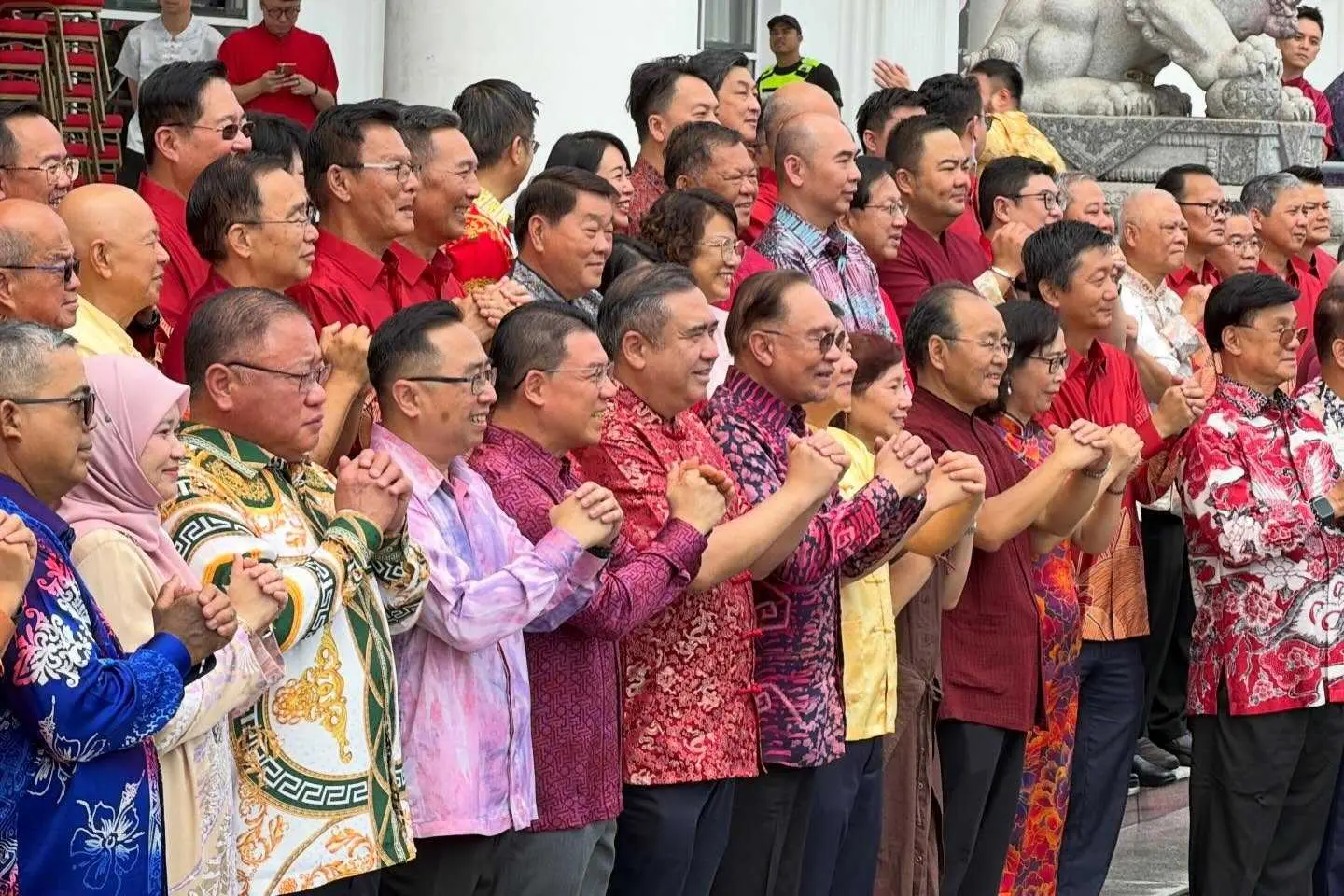
The latest announcement by the government on allowing Unified Examination Certificate (UEC) graduates limited entry into public universities is being celebrated by DAP secretary-general Anthony Loke as proof of Anwar Ibrahim’s bravery.
One is tempted to ask: bravery in doing what exactly? Because stripped of the triumphalist spin and political self-congratulation, the government’s policy is not genuine recognition of the UEC at all. It is recognition wrapped in restrictions, hedged with conditions, and designed to preserve the illusion of reform while denying its substance.
Even Dong Zong — the very organisation that has fought for UEC recognition for decades—has openly expressed disappointment and objection to the conditions attached. When even Dong Zong refuses to celebrate the policy, the government’s victory parade and DAP’s Ah Q response begins to look embarrassingly premature. This is not courage. It is political theatre masquerading as reform.
Recognition with chains attached
The government claims it is opening the doors of public universities to UEC holders. But what kind of “recognition” limits students without a full SPM certificate to only four Chinese-related courses? This is not equality; it is segregation by bureaucratic design.
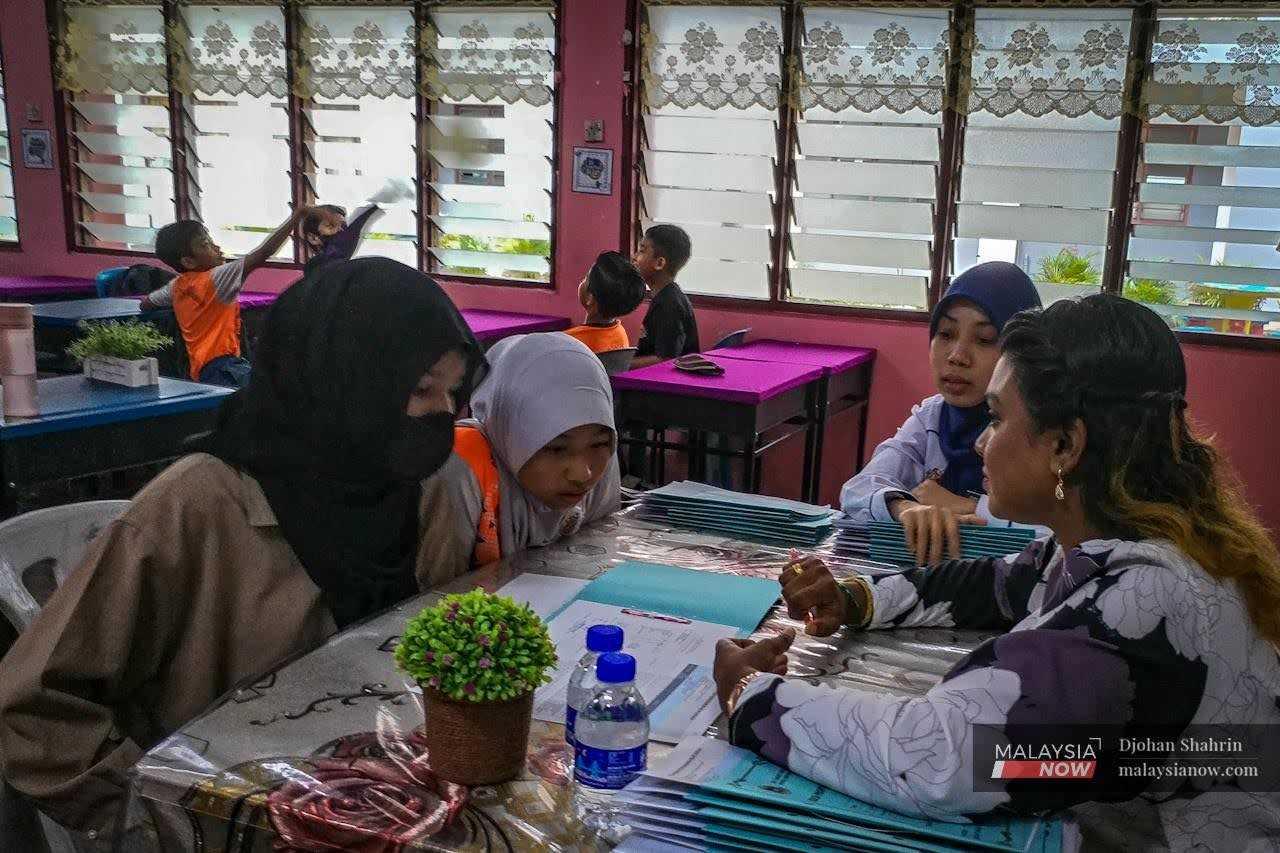
Under the announced policy, UEC students with a full SPM qualification may apply broadly through the normal UPU system. But those who took only Bahasa Melayu and Sejarah in SPM — a common pathway for many students from Chinese Independent Schools — are confined to a tiny educational ghetto of four Chinese studies programmes.
Why? What academic principle justifies this discriminatory distinction between students who all possess the same UEC qualification? What intellectual logic says a student is competent enough to study Chinese literature but not economics, engineering, law, or medicine?
The government has offered no convincing explanation because none exists. The policy exposes the fundamental dishonesty at the heart of the announcement: the state still refuses to recognise the UEC as a qualification in its own right.
Instead, UEC students remain subordinate to the SPM framework, compelled to prove themselves through the national examination system before being deemed worthy of equal treatment.
In other words, the government is effectively saying: “We recognise the UEC—but only after you validate yourselves through our preferred system.” That is not recognition. That is conditional tolerance.
The contradiction of 'inclusive' education
The higher education ministry speaks grandly of “inclusive, fair and quality” education. Yet the reality contradicts every word of that slogan. An education system cannot call itself inclusive while restricting students to narrowly defined ethnic-language programmes. It cannot claim fairness while imposing double standards on one category of students. It certainly cannot claim quality while continuing to politicise academic accreditation.
The sheer absurdity of the situation is staggering. UEC is already recognised by universities around the world, including leading institutions in Singapore, Britain, Australia, Taiwan, China, and the United States. Malaysian private universities accept it. International employers recognise it. Yet the Malaysian state still treats it as a suspicious political object requiring endless caveats and qualifications. This is not an educational problem. It is a political pathology.
Endless cycle of bad faith
None of this should surprise anyone who has followed the interminable UEC saga. For decades, governments have mastered the art of appearing to move forward while ensuring nothing fundamentally changes. Committees are formed. Task forces are established. Dialogues are held. Promises are repeated during elections. Then comes delay, ambiguity, and retreat.
The so-called UEC task force was part of this same cynical machinery. As I argued earlier this year, the task force was never designed to secure recognition. It was designed to postpone it indefinitely while allowing politicians to harvest electoral goodwill from Chinese voters.
The report itself has disappeared into bureaucratic darkness, apparently too politically inconvenient to release. Now we are presented with yet another carefully staged “breakthrough” that collapses upon inspection. The government wants applause for opening a door while keeping most of the building locked.
DAP’s convenient amnesia
What makes the spectacle even more cynical is the role of DAP. For years, its leaders campaigned on unequivocal recognition of the UEC. Not partial recognition. Not conditional recognition. Not symbolic recognition confined to four courses.
Today, the same leaders are praising the government for delivering a heavily restricted policy that Dong Zong itself says falls far short of educational justice. One wonders whether the standards for “success” have become so degraded that even token concessions now qualify as historic achievements.
DAP’s rhetoric also conveniently ignores a larger truth: if recognition can only happen within politically “safe” limits acceptable to Malay nationalist sensitivities, then the government is not reforming the racialised logic of the education system—it is merely managing dissent within it.
Fear beneath the policy
The real issue has never been academic standards. If academic merit were the issue, the Malaysian Qualifications Agency assessment would have been publicly debated long ago. Instead, the state continues to shroud the matter in secrecy because the resistance to UEC recognition is ideological, not educational.
Full recognition of UEC would undermine the racial mythology that defines national legitimacy through a single language and a single educational pathway. It would acknowledge that Malaysian identity is plural, multilingual, and historically diverse.
That is what the political establishment fears. The continued marginalisation of UEC graduates is therefore not accidental—it is structural. The state cannot fully recognise the UEC without implicitly admitting that the decades-long exclusion was unjustified from the beginning.
Recognition delayed is equality denied
Dong Zong is correct to demand clarification, transparency, and genuine educational equality. The government’s announcement raises more questions than answers: How will merit be calculated?
Why are the application mechanisms unclear? Why are UEC students still being funnelled into restricted academic tracks? Most importantly: when will the government stop treating Chinese Independent School students as politically inconvenient citizens who must perpetually prove their loyalty before being granted equal rights?
Until UEC holders can apply freely to all public university programmes on the basis of their qualification, this policy remains what it truly is: a cosmetic compromise designed to generate headlines while preserving the status quo.
The tragedy is that generations of talented Malaysians continue to leave the country because their own government refuses to embrace them fully. The state then laments brain drain while simultaneously manufacturing it through exclusionary policies.
So let us dispense with the self-congratulatory rhetoric. There is nothing brave about half-measures. There is nothing historic about conditional equality. And there is certainly nothing transformative about recognising the UEC in name while continuing to reject it in practice.
Kua Kia Soong is a former MP and director of human rights group Suaram.
The views expressed in this article are those of the author(s) and do not necessarily reflect the position of MalaysiaNow.
See more of our coverage in your search results.
Subscribe to our newsletter
To be updated with all the latest news and analyses daily.