
'We are ordinary, hard-working people, join us': 4 states pitch to investors to unlock economic power
The four-state economic grouping aims to grow its economy to RM723 billion by 2050.
Just In
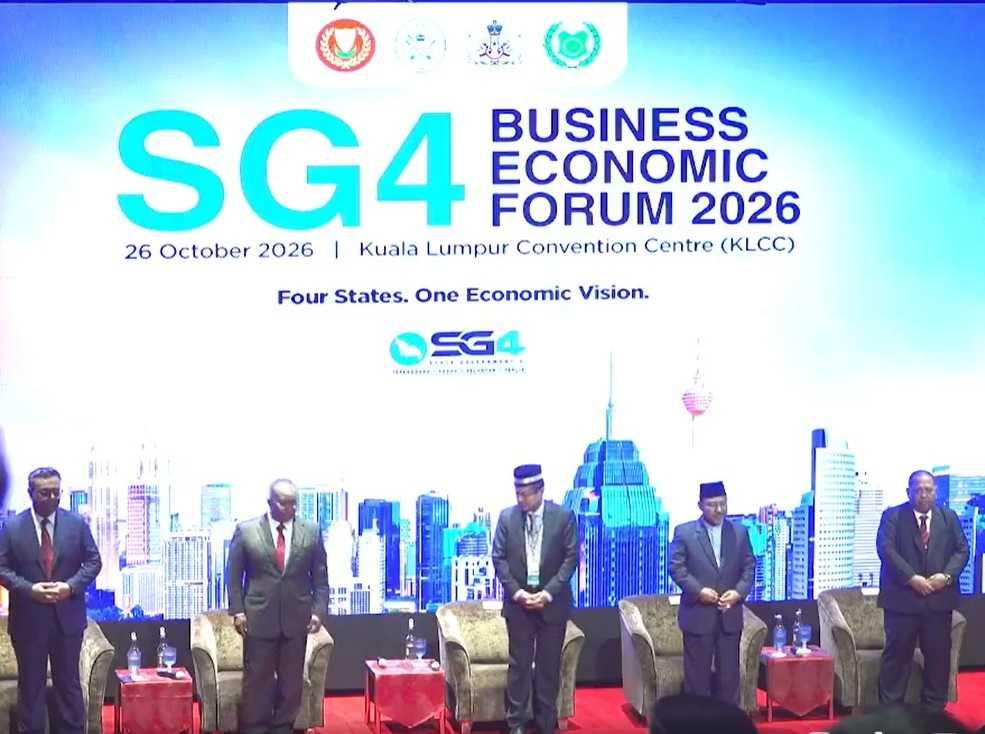
Four opposition-ruled states that form what is referred to as the Malay belt have launched a major blitz to attract hundreds of billions of ringgit in investments, highlighting not only their vast, resource-rich geography but also the values of hard work inherited from their backgrounds in agriculture and other traditional sectors.
State Government 4 (SG4), an economic corporation between the governments of Perlis, Kedah, Kelantan and Terengganu that was launched more than two years ago, said it is now set to undertake a major economic transformation, targeting a combined gross domestic product (GDP) of RM723 billion by 2050.
Speaking at the SG4 Business Economic Forum 2026, the bloc's chairman, Haim Hilman Abdullah, expressed confidence of achieving the target through an annual growth rate of 7%.
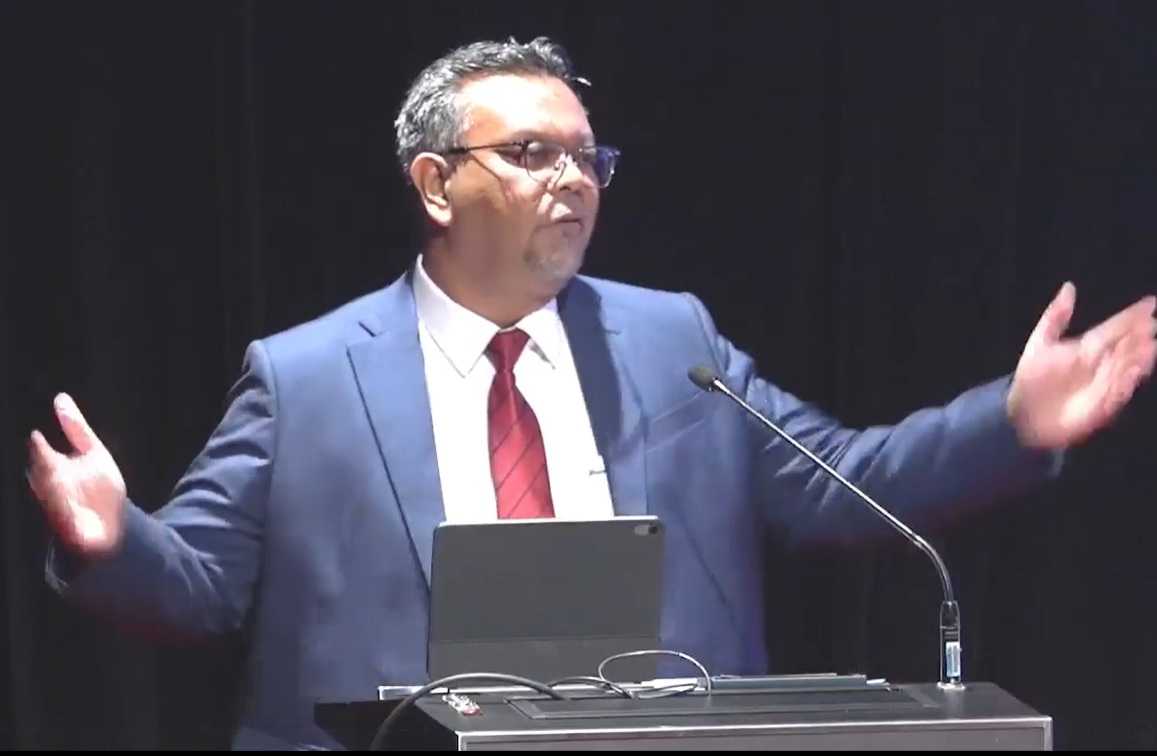
"We want to say loud and clear that we are here to be part of the strategic development of Malaysia, and SG4 can do that," Haim, who is also a Kedah exco member, told top state officials, economists, investors, industrialists and bankers at the forum in Kuala Lumpur today.
He acknowledged that the four states contributed less than one-tenth of Malaysia's total GDP of RM1.7 trillion last year.
"Yes, it is less than 10%. But I can tell you and assure you that we have so many things yet to be unleashed or yet to be explored," he said.
"I believe Kedah, Kelantan, Terengganu and Perlis have so much to offer, from the agriculture industry to manufacturing, from the services sector to construction, as well as mining and quarrying.
"And here, I would like to take this opportunity, as the chairman of the SG4 Group, to connect you with our agencies, to work with you, to guide you through how we can build and establish strategic collaboration in terms of what we call shared prosperity within your institution and our states."
First conceived in 2023 following the opposition coalition Perikatan Nasional's electoral gains in the six-state elections, SG4 is centred on efforts to attract investment to the four states and harness their vast deposits of rare earth elements (REE) and agricultural land for food production and the development of the green energy industry.
The group focuses on five major clusters: infrastructure and logistics; trade, investment and industry; agriculture and food security; education and human capital; and new sources of income.
Haim noted that while Perlis, Kedah, Kelantan and Terengganu have always been known for agriculture, they are increasingly positioning themselves as destinations for manufacturing, services, construction, mining and quarrying.
He said the four states had attracted RM220 billion in investments between 2020 and 2025, including RM198.7 billion in manufacturing alone, with Kedah getting the lion's share of RM193 billion.
'We are not special'
But Haim cautioned that the states' economic identity should not be benchmarked against more developed states like Selangor, Penang and Johor.
"We are not against anybody. We are not envious of Penang. We are not envious of other developed states in the country. But we want to say loud and clear that we are here to be part of the strategic development of Malaysia."
He said the people in the states were proud of their heritage and "humble backgrounds", adding that many came from families whose parents had worked as farmers, rubber tappers and fishermen.
"We are ordinary people. We are not special. But we are hard-working people," he added.
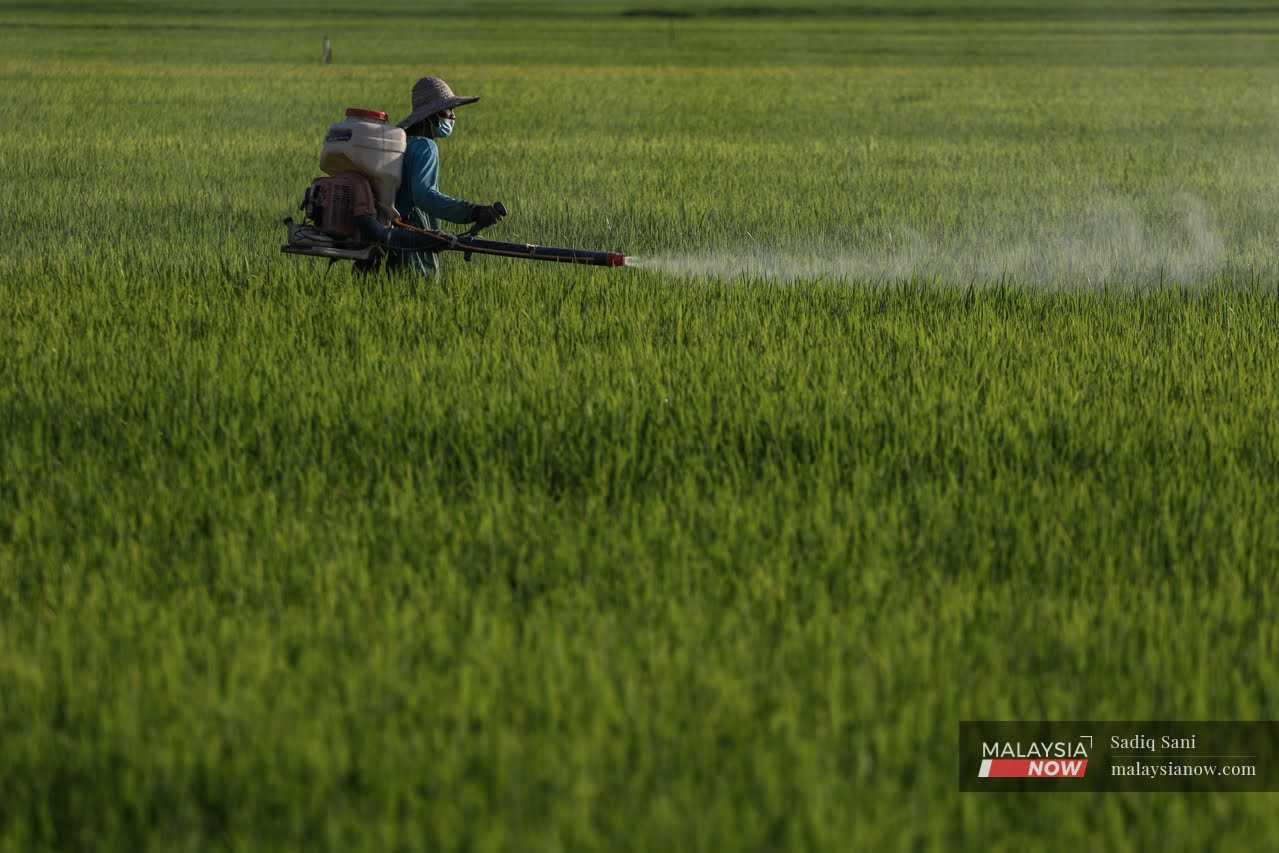
Citing Kedah as an example, he said the state has dedicated 220,000 hectares to paddy cultivation, supplying 43% of the country’s rice.
Haim said this was testament to the policy of prioritising food security, even though much of the land could be converted into more lucrative industrial zones.
At the forum, Haim urged the federal government to accelerate the proposed Kulim cargo airport in Kedah as well as the expansion of Kemaman Port in Terengganu.
"It's not about Kedah. This is about preparing our state and country. Kedah is offering Malaysia a place to have our cargo airport. Penang is too small for this cargo airport. The best place is Kulim, and we are offering ourselves to the federal government," he said of the proposal, which has been a major point of contention between Kedah and the administration of Prime Minister Anwar Ibrahim.
"We are not competing, we are not undermining, we are collaborating, we are working things together," he said.
'Sleeping giant'
In his speech, SG4 adviser Dr Mahathir Mohamad described the four-state entity as a "sleeping giant", alluding to their combined population of 5.7 million and landmass.
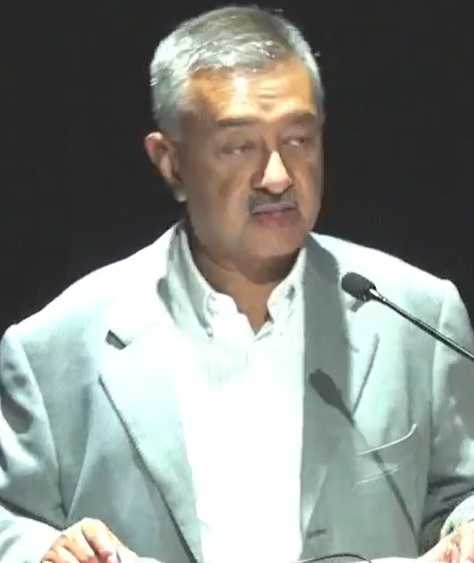
"If these states can get their act together, pool their resources and complement each other, the sky is the limit," the former prime minister said in a speech read by his son, Mokhzani.
Mahathir referred to the high deposits of rare earth elements (REE) across the states that have attracted global interest in recent times.
"The issue now is not merely about retrieving and selling them, which will then immediately provide the SG4 states with a substantial source of income for the state coffers. It is rather about how to work on value-add on these elements, which will increase their income multiple folds."
Mahathir, the man widely credited with the transformation of Malaysia's economy, also alluded to successful entrepreneurs who originated from the four states.
"The Malays are actually poised to be good traders and businessmen because they are blessed to be born Muslims. While not comparing Islam and other religions, being a Muslim I am made aware of the tenets in Islam if we were to truly observe them. Malays would be very respectable in business."
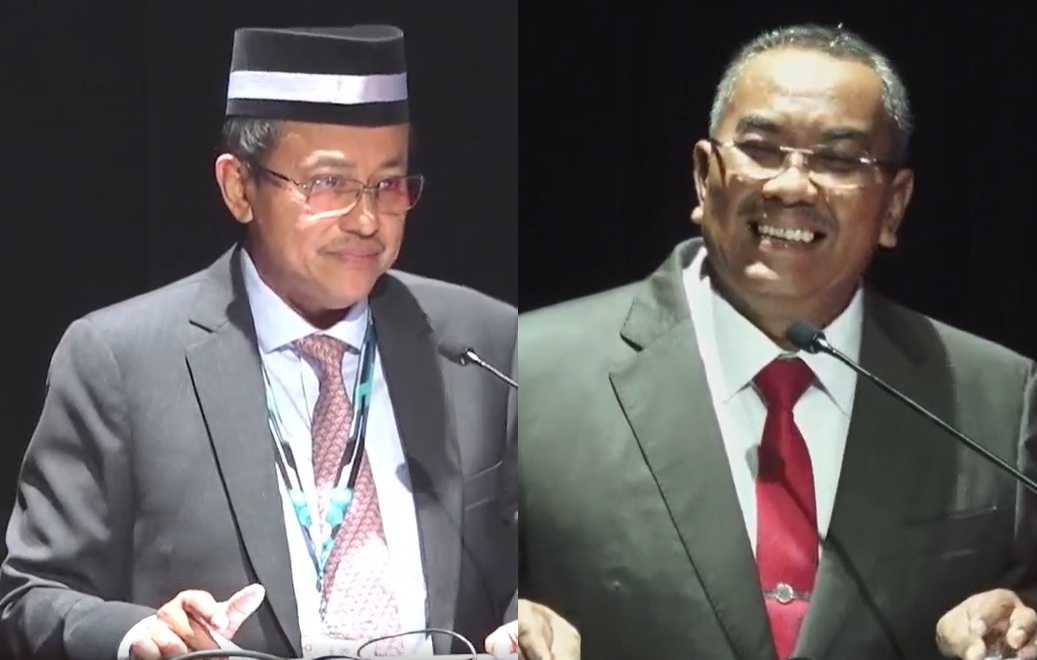
Others who spoke included the menteris besar from each member-state: Sanusi Md Nor (Kedah), Ahmad Samsuri Mokhtar (Terengganu) and Abu Bakar Hamzah (Perlis), as well as Kelantan deputy menteri besar Fadzli Hassan.
'They pinch our nose and call us poor'
Samsuri said fairness must be central to economic development.
"Malaysia's strength is its diversity. We have Malays, Chinese, Indians, the peoples of Sabah and Sarawak, the Orang Asli and other communities. Fairness does not mean taking from one to give to another. It means growing the economy so that every community has a place in it and giving priority to those in need wherever they live and whatever their background."
Fadzli stressed that the economic potential of mining the minerals must not undermine agriculture as a fundamental part of the economy.
"Mineral development must not compromise productive farmland, agricultural water supply or the health of rural environments," he said.
Sanusi echoed similar sentiments.
"Our agricultural heritage, industrial base, strategic location and young people are not separate stories. They are the foundation of one coherent development strategy. And that strategy begins with a realistic understanding of our economy."
The outspoken politician also took the opportunity to criticise the federal government, accusing it of obstructing the state in the extraction of minerals, particularly REE.
"The federal government tells us that is national security. So we have to wait maybe 100 years, or more than that.
"So the state has no right to be rich. Being rich is only (the right of) the federal (government). Then they pinch our nose, we cannot breathe. Then they say we are poor because we are not smart. That is the tactic. I hope everybody notices this," he added.
See more of our coverage in your search results.
Subscribe to our newsletter
To be updated with all the latest news and analyses daily.
Related Articles
No articles found.


