Worrying trend of doctors shunning transparency on post-mortem: The case of Khairul Hafizi
Why is there suddenly an increasing and escalating pushback against transparency by doctors and government hospitals regarding post-mortem examinations?
Just In
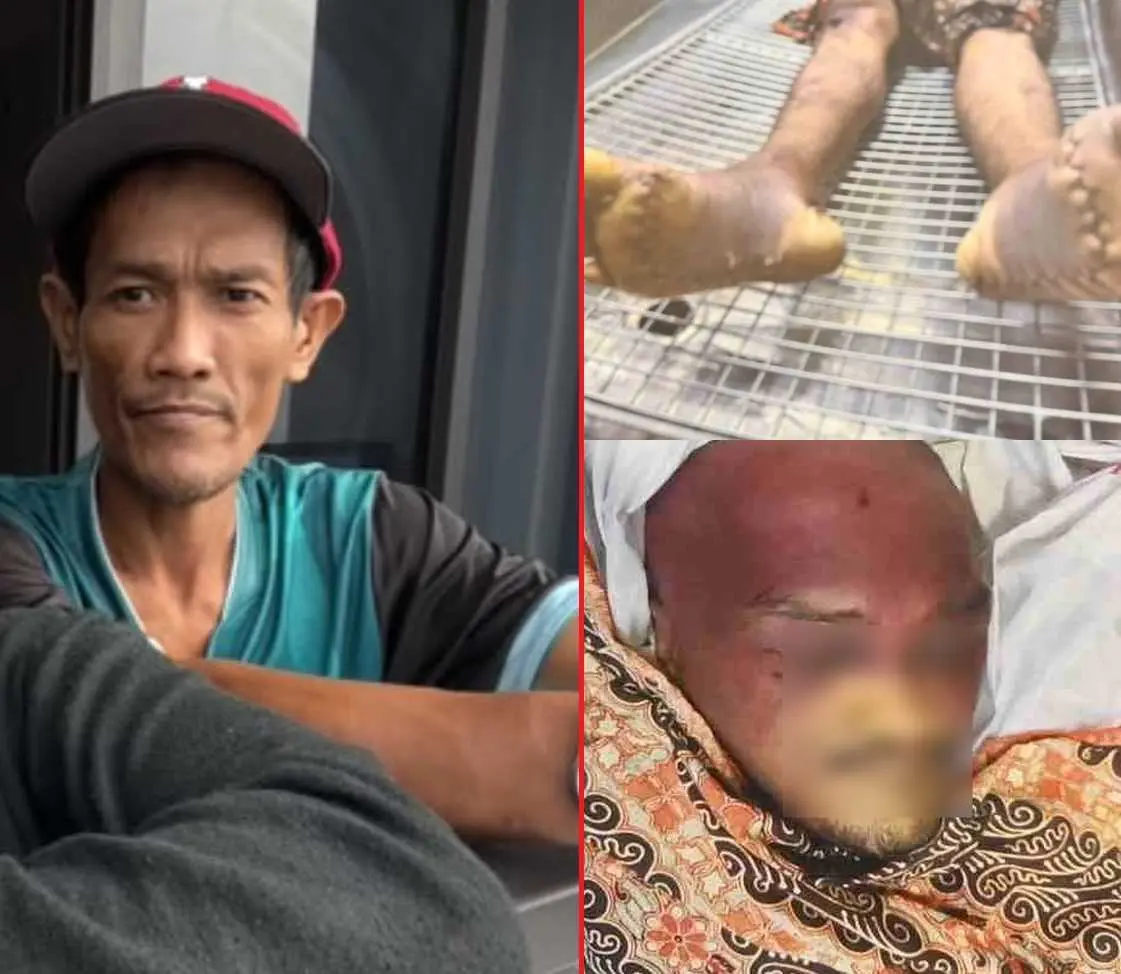
We refer to the death of Mohd Khairul Hafizi Mohamad Kamaruzaman at the hands of the police on Aug 2, 2026 at Kampung Klian Gunung Ijok, Batu Kurau.
While the police were quick, immediately after his death, to allege that the deceased attacked them with a parang and to cast aspersions by citing his previous criminal records, the family of the deceased have been left in the dark regarding the circumstances leading to his death.
Despite a post-mortem having been conducted, the family received no information regarding the cause of death nor the findings of the autopsy.
In pursuit of answers, the family engaged our assistance and we arranged a meeting on Oct 19, 2026 with the forensic pathologist who conducted the post-mortem examination at Hospital Taiping.
The meeting, however, only raised further questions. The forensic pathologist only disclosed that the deceased died from blood loss due to a gunshot wound, and alluded to a heart problem that was until then unknown to the family. No further details were disclosed, such as the angle of the bullet or the estimated distance from which the shot was fired. Neither were photos of the autopsy shown, nor were the examinations conducted explained to the family or their lawyers.
What was shown instead by the forensic pathologist were news articles supposedly stating that a doctor conducting a post-mortem examination does not owe any duty to the family of the deceased.
In essence, the forensic pathologist is saying that the deceased’s family has no right or interest in the investigation into the death of their own family member. That is an untenable and nonsensical assertion.
The family are not mere spectators; common law systems across the globe, including ours, acknowledge that family members of the deceased are “interested persons” in inquiries into deaths.
Their interest in the investigation of the death is obvious. The deceased is their kin, their family. They therefore have a right to be informed of the results of the post-mortem examination, including the preliminary findings.
Denying them this essentially precludes them from getting justice on behalf of their deceased family member. Rights such as making an application for a second post-mortem, which is a time-sensitive decision that cannot be delayed, are essentially negated if even the preliminary findings are not disclosed to them.
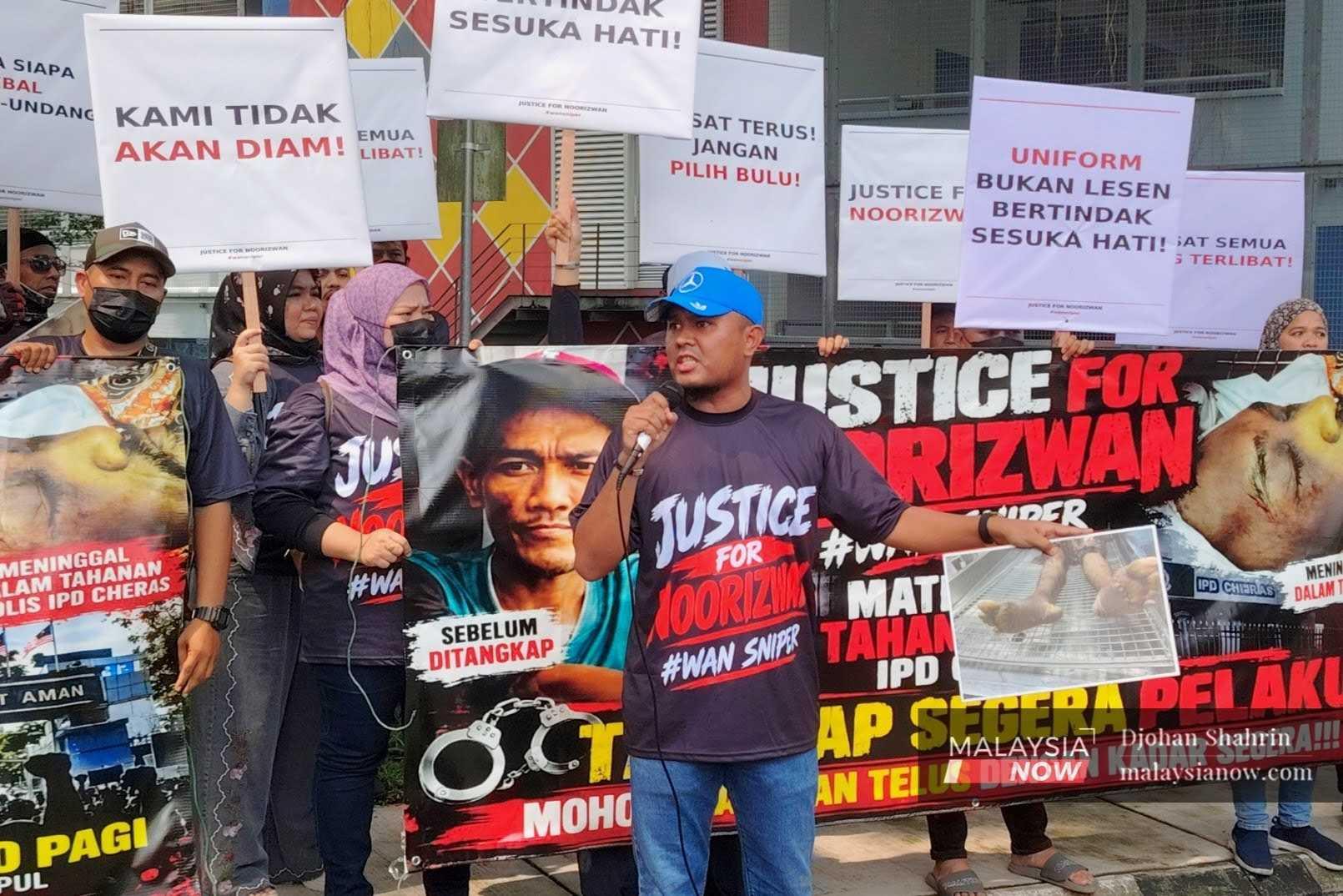
It was only a few days ago that lawyers representing the family of the deceased, Norizwan Zulkefly, were reportedly investigated by the police simply for seeking clarification of the post-mortem examination. Why is there suddenly an increasing and escalating pushback against transparency by doctors and government hospitals regarding post-mortem examinations?
The importance of an autopsy cannot be overstated. It is often a crucial piece of evidence that lays the foundation for the entire inquest process. Thus, the lack of transparency by the forensic pathologist in our case is rightfully concerning.
Deaths, especially those involving enforcement agencies, must be dealt with at the highest level of transparency. Families deserve answers, and that is impossible if inquiries into death are conducted by excluding them entirely. We therefore demand the following:
1. That Health Minister Dzulkefly Ahmad explain why the forensic pathologist and Hospital Taiping refused to reveal the findings of the post-mortem examination to the family of the deceased and their lawyers; and
2. That the findings of the post-mortem examination be revealed to the family of the deceased and their lawyers with immediate effect.
Mahajoth Singh and Zaid Malek are lawyers representing the family of the late Khairul Hafizi.
See more of our coverage in your search results.
Subscribe to our newsletter
To be updated with all the latest news and analyses daily.