Refugees’ worst fears realised as Myanmar junta detains hundreds deported by Malaysia
This comes as Prime Minister Anwar Ibrahim cosies up to the junta leader with promises of diplomatic and economic benefits.
Just In
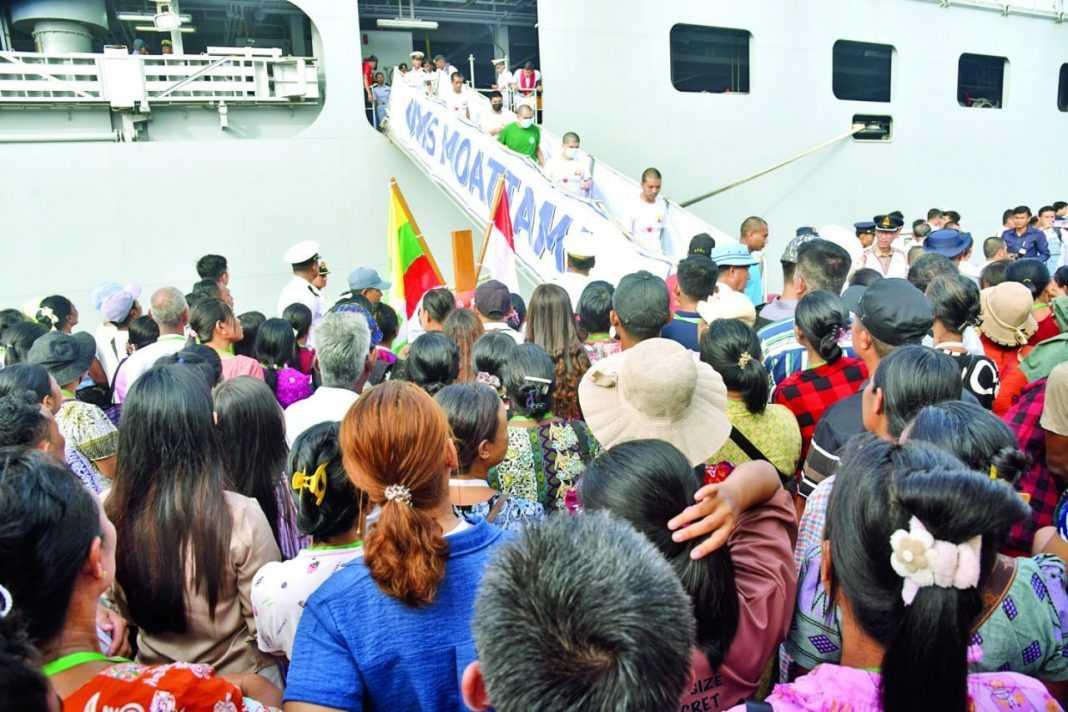
More than 400 ethnic Rakhine deported from Malaysia have been placed under military custody by the Myanmar regime, confirming the worst fears expressed by rights groups over Prime Minister Anwar Ibrahim’s deal with the repressive junta to send back thousands of refugees and Rohingya amid a xenophobic campaign targeting migrants.
A leading independent news portal on Myanmar affairs reported that the returnees were among 1,476 people deported under a so-called voluntary repatriation programme by the Malaysian government.
The award-winning Democratic Voice of Burma (DVB) news site reported that they arrived at Thilawa Port in Yangon on Oct 4 aboard three Myanmar navy vessels, only to be detained at shelters in a monastery in Thanlyin Township, south of Yangon, and at undisclosed facilities in Hlaingtharyar Township.
“We thought they would be allowed to return home once they arrived back in Myanmar,” DVB quoted a deportee’s family member as saying.
“They had already endured hardship in Malaysian immigration detention and wanted to reunite with their families as soon as possible.”
It comes even as Home Minister Saifuddin Nasution repeated his assurance that the repatriation of 5,000 Myanmar refugees would not proceed if their lives or safety were at risk.
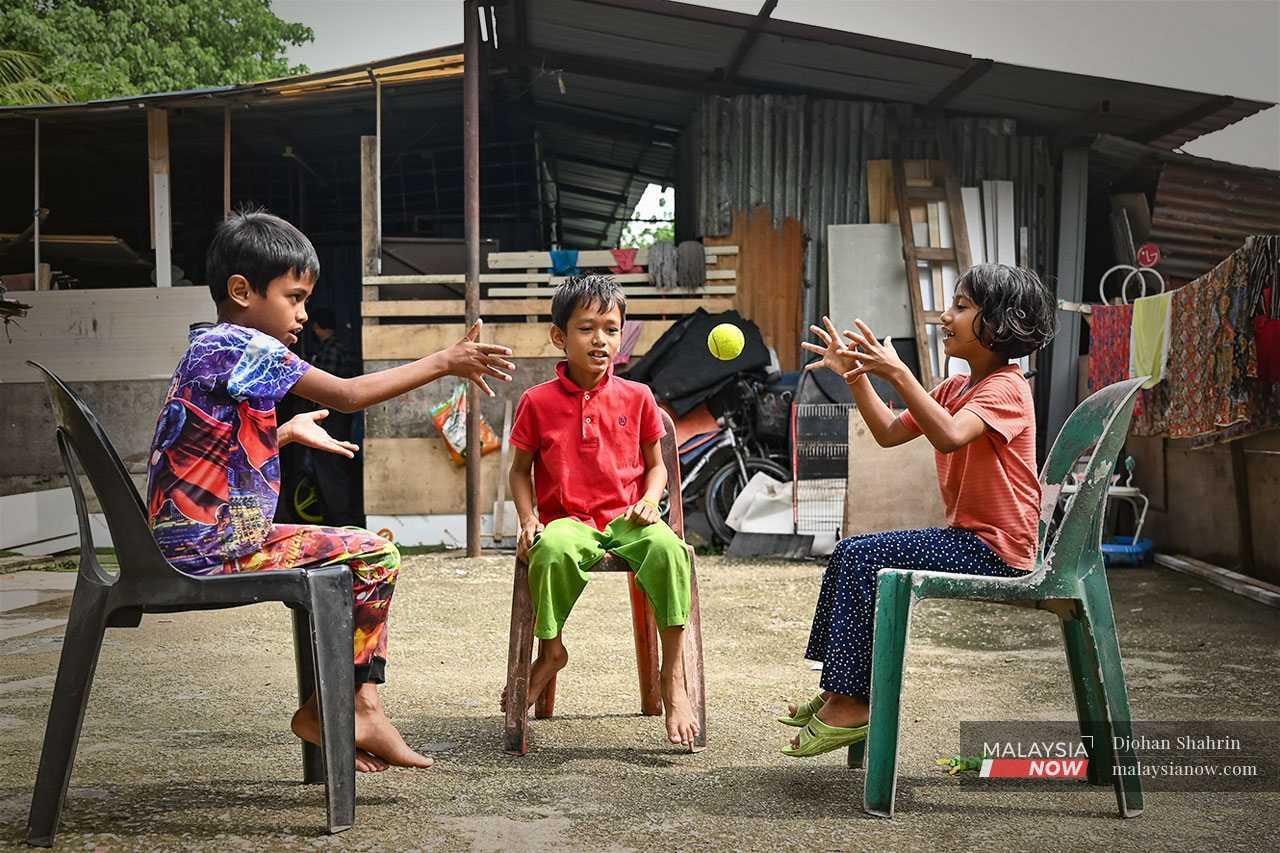
Hundreds of thousands of Myanmar nationals scattered across South East Asia, including ethnic Rohingya Muslims whose citizenship was stripped, have feared the prospect of being sent back to a country where the military junta has openly defied international condemnation by bombing civilians and targeting villages in Arakan, giving rise to what the United Nations has described as the world’s biggest refugee crisis.
Since 2016, some 200,000 Myanmar refugees have sought refuge in Malaysia, including about 130,000 Rohingya Muslims.
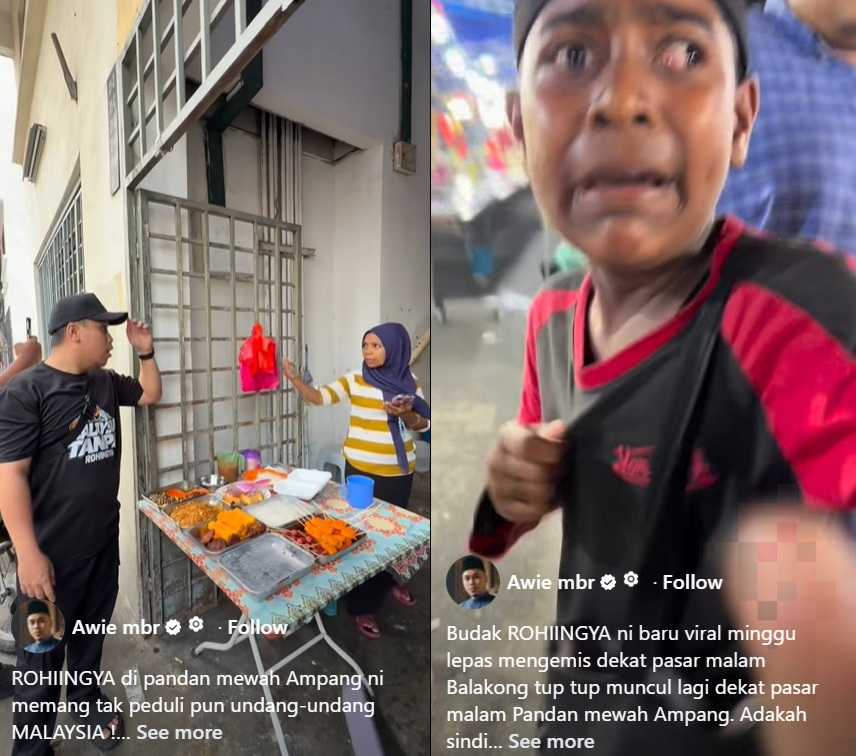
In recent months, they have become the target of a systematic hate campaign online aimed at Malaysia’s Malay audiences, with xenophobic AI-generated videos designed to turn public hostility against refugee and migrant communities, spread by bots and fake social media accounts and amplified by vigilante groups whose prey include women and children.
Malaysian politicians from both sides of the divide have largely remained silent over the hate campaign for fear of backlash from sections of their vote bank.
The pressure generated online prompted authorities to launch crackdowns against refugees, culminating in Anwar’s announcement of a deal with Myanmar to deport thousands of refugees.
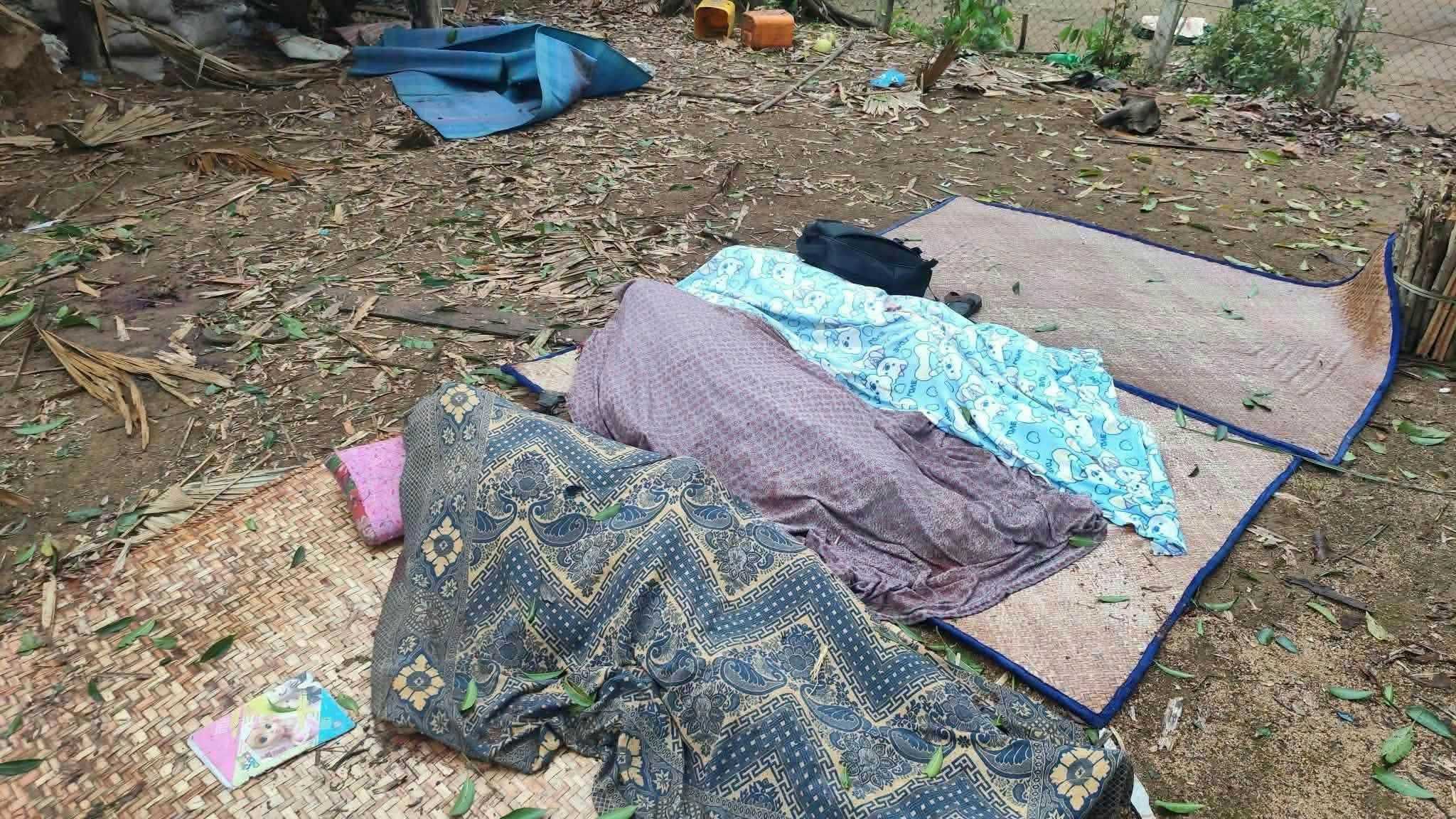
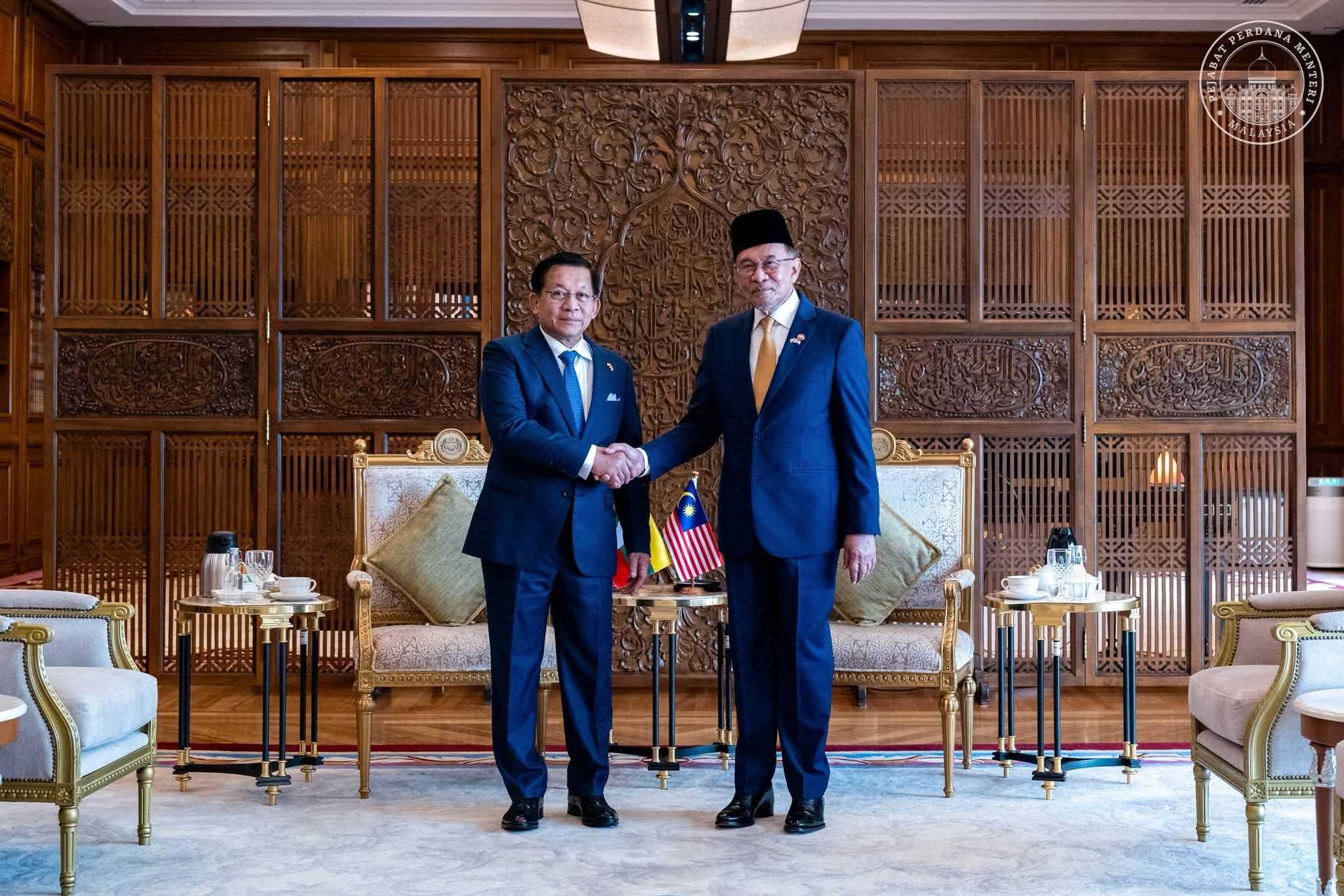
On Oct 8, days after his government defied warnings from rights groups and shipped out thousands of refugees back to Myanmar, Anwar went a step further by rolling out a red-carpet welcome for Min Aung Hlaing, the Myanmar military leader cited for crimes against humanity by the International Criminal Court (ICC).
The move dramatically reverses a decades-old policy of non-recognition of the Myanmar regime, and marks the first time a Malaysian government has ever allowed an official visit by a head of state wanted for war crimes.
A recent investigative report published by a Myanmar rights group has detailed Malaysian companies, including those linked to the government, that supplied or sought to supply aircraft parts and maintenance services to the Myanmar military, even as the junta continues its brutal campaign that has recently seen aerial attacks on civilians, an activist group that focuses on exposing the junta’s cartel reveals.
“By knowingly providing support to the Myanmar military as it commits war crimes and crimes against humanity, Malaysian businesses could be aiding and abetting those crimes,” said Justice for Myanmar.
See more of our coverage in your search results.
Subscribe to our newsletter
To be updated with all the latest news and analyses daily.