Group warns of unchecked violence against Rohingya as online hate campaign threatens to spill over
A firebomb incident marks a worrying escalation in vigilantism, promoted through a systematic xenophobic campaign that has lasted for months.

Just In
An incident in the early hours of Oct 13 when a Molotov cocktail was hurled at a Rohingya settlement in Johor, has threatened to transform the current xenophobic campaign against the refugee community into open vigilante hostility, with a rights group warning against the normalisation of such violent acts.
The National Human Rights Society of Malaysia (Hakam) said it was concerned that private individuals were taking the law into their own hands with “their own version of justice against an already vulnerable community”.
“The persistence of this hostility, and the apparent emboldening of individuals to act as self-appointed enforcers against refugees, points to a deeply troubling normalisation of xenophobia in our society.
“No individual or group of private citizens has the authority to appoint themselves a legitimate authority simply because they believe another person does not belong here,” said Hakam president M Ramachelvam.
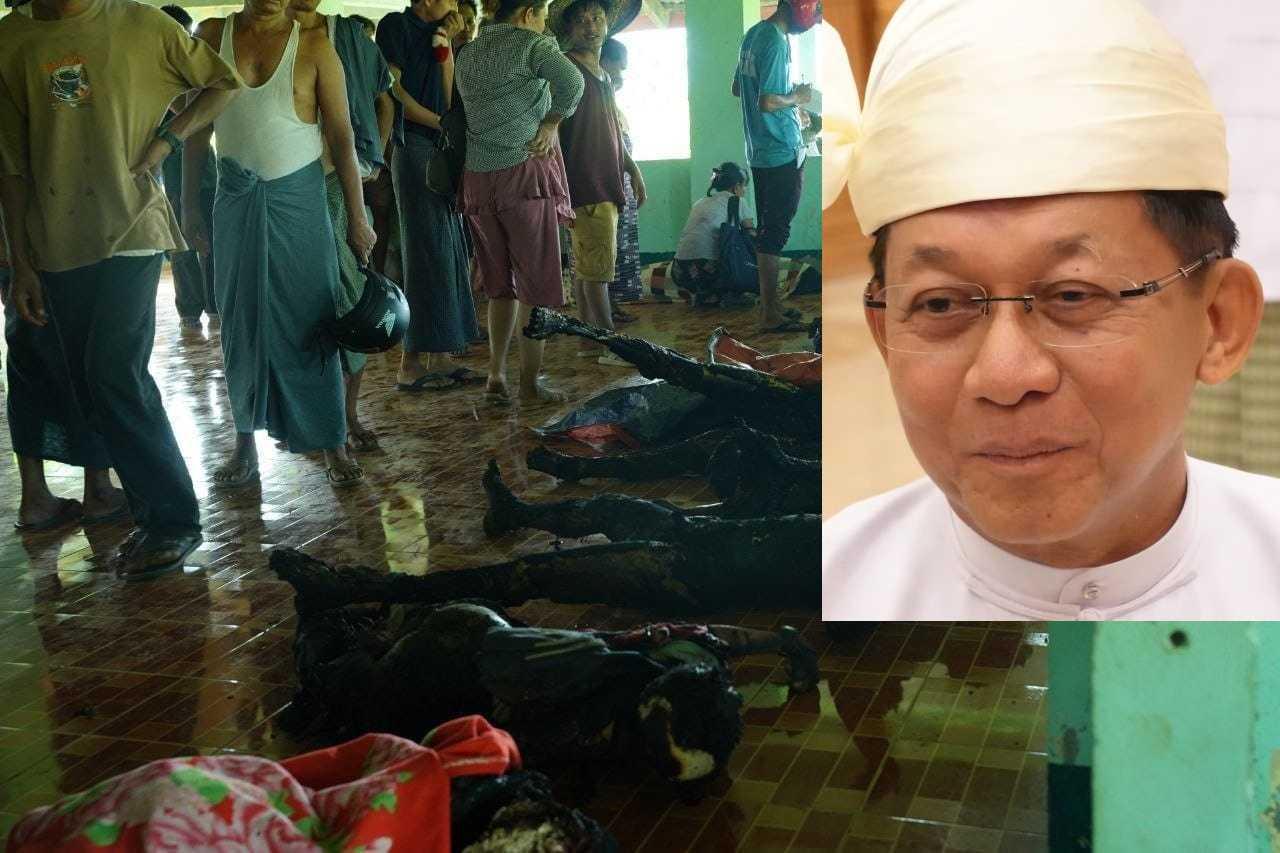
It comes as a Rohingya settlement at Kulai Besar, Johor, was reportedly targeted with a Molotov cocktail attack at about 1.30am on Tuesday, causing a fire at the fence.
Police said the attack could be the work of individuals who acted based on two viral videos accusing a group of Rohingya of insulting Malays.
The videos are believed to be part of a systematic hate campaign online aimed at Malaysia’s Malay audiences, with xenophobic AI-generated videos designed to turn public hostility against refugee and migrant communities, spread by bots and fake social media accounts.
A Rohingya refugee depicted in the video has lodged a police report denying the claims, saying his image was forged and misrepresented.
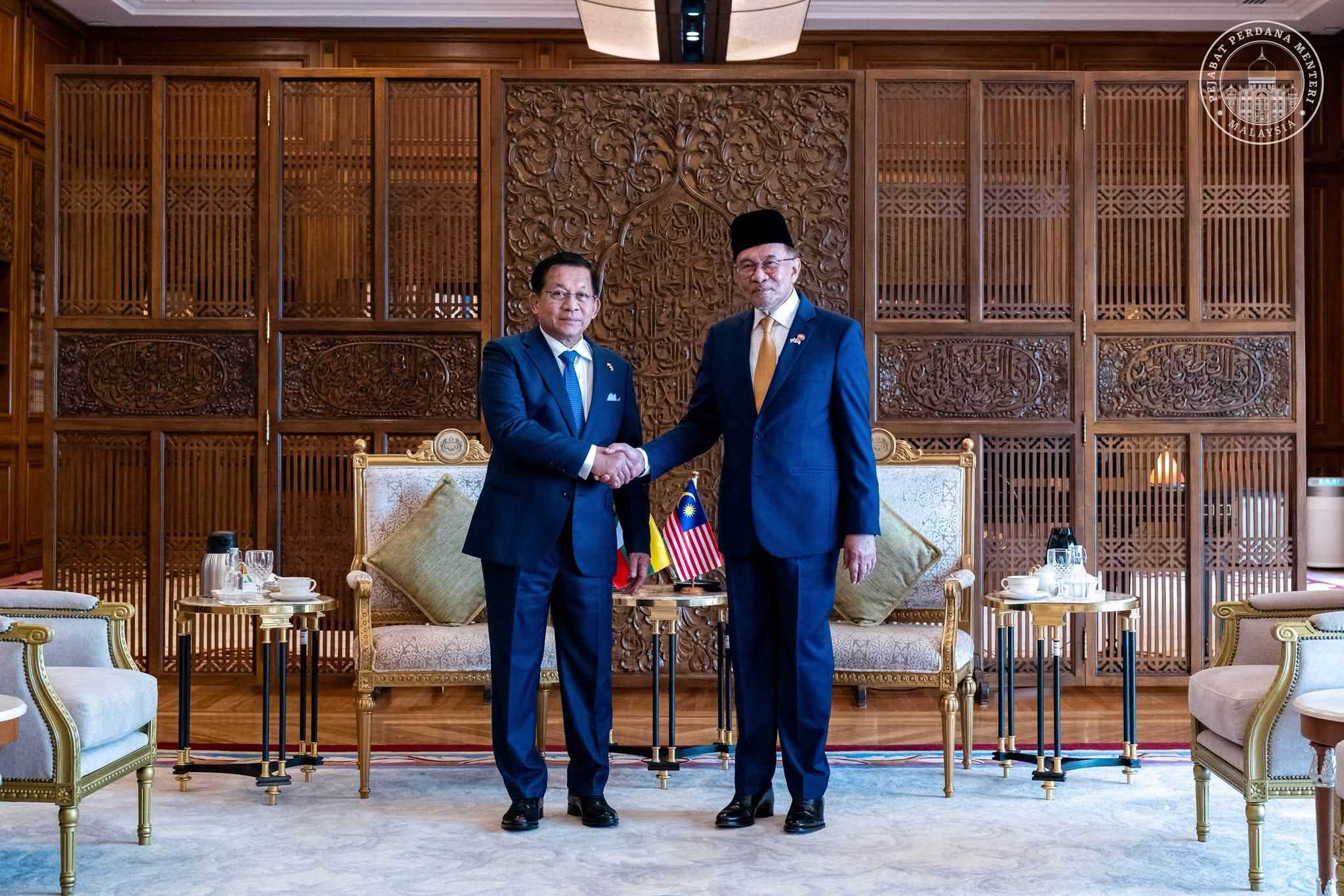
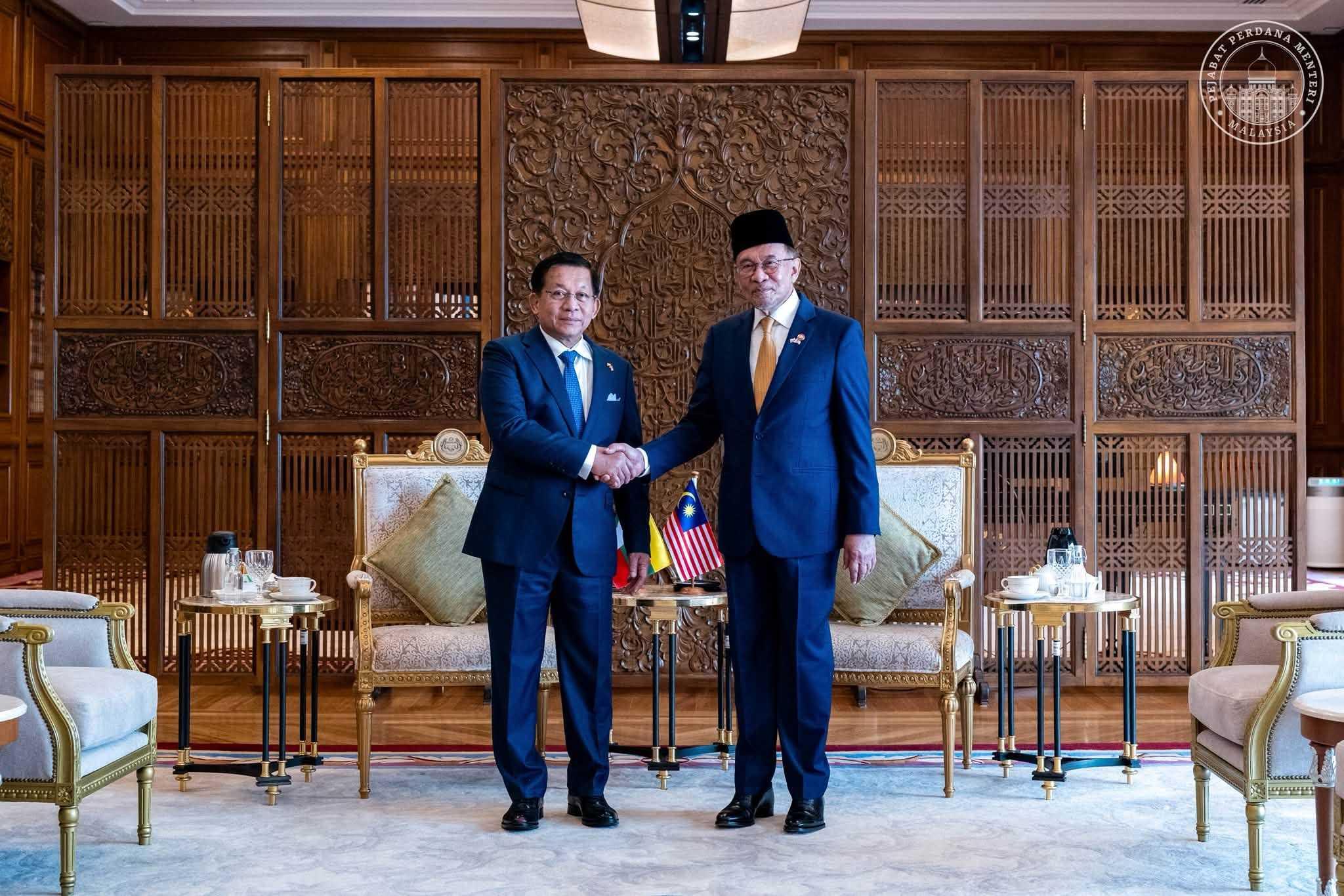
The attack comes days after Prime Minister Anwar Ibrahim rolled out the red carpet for Min Aung Hlaing, the Myanmar strongman wanted for war crimes by the International Criminal Court, and whose regime has intensified airstrikes on Muslim townships in Arakan State in recent weeks, killing scores of civilians.
Hakam said the incident in Johor showed “the very real consequences of hostility towards a vulnerable community”.
“Such acts of intimidation and violence must be condemned unequivocally, and grievances must be addressed through lawful processes rather than private acts of retaliation. When such conduct is directed at an ethnic or refugee community, it also creates an environment in which collective blame and dehumanisation can be treated as acceptable,” it added.
The statement echoes reminders from a prominent Muslim activist as well as a major Islamic organisation, who issued rare rebukes of anti-refugee sentiments being spread online in recent months.
On Sept 13, preacher Firdaus Wong warned that the hate campaign was a prelude to greater crimes, much like the Nazi-era atrocities against Jews and the current genocide against Palestinians.
“The way we dehumanise them – and I will be as blunt as possible – is just a carbon copy of how the Nazi had done to the Jews. They begin by dehumanisation first, then they will start to justify with a greater crime,” Wong said.
This was followed by the Malaysian Consultative Council of Islamic Organisation (Mapim), an umbrella group of Muslim NGOs nationwide, which urged authorities to act against online xenophobic material targeting the Rohingya.
Mapim also reminded the country’s internet regulator, the Malaysian Communications and Multimedia Commission (MCMC), to investigate and take action against the spread of content fuelling hatred against the Rohingya community.
“Are we seeing a spontaneous spread of hatred, or is there a network of accounts deliberately manipulating public sentiment?” asked Mapim president Azmi Abdul Hamid.
In August, MalaysiaNow reported that videos targeting children of refugees attending school in Malaysia had not been blocked by MCMC despite clear violations of policies relating to minors, bullying and hate.
MCMC has over the years implemented restrictions and bans on social media accounts for violating laws on bullying, cyber scams, online hatred and criticism of the royal institution.
Queries by MalaysiaNow to MCMC for its response on the online xenophobic campaign have not been answered.
See more of our coverage in your search results.
Subscribe to our newsletter
To be updated with all the latest news and analyses daily.