Xenophobic bots turn their attacks on migrant children at school, yet videos remain online
It marks a worrying trend in an escalating campaign against migrants and refugees, largely fuelled by misinformation.
Just In
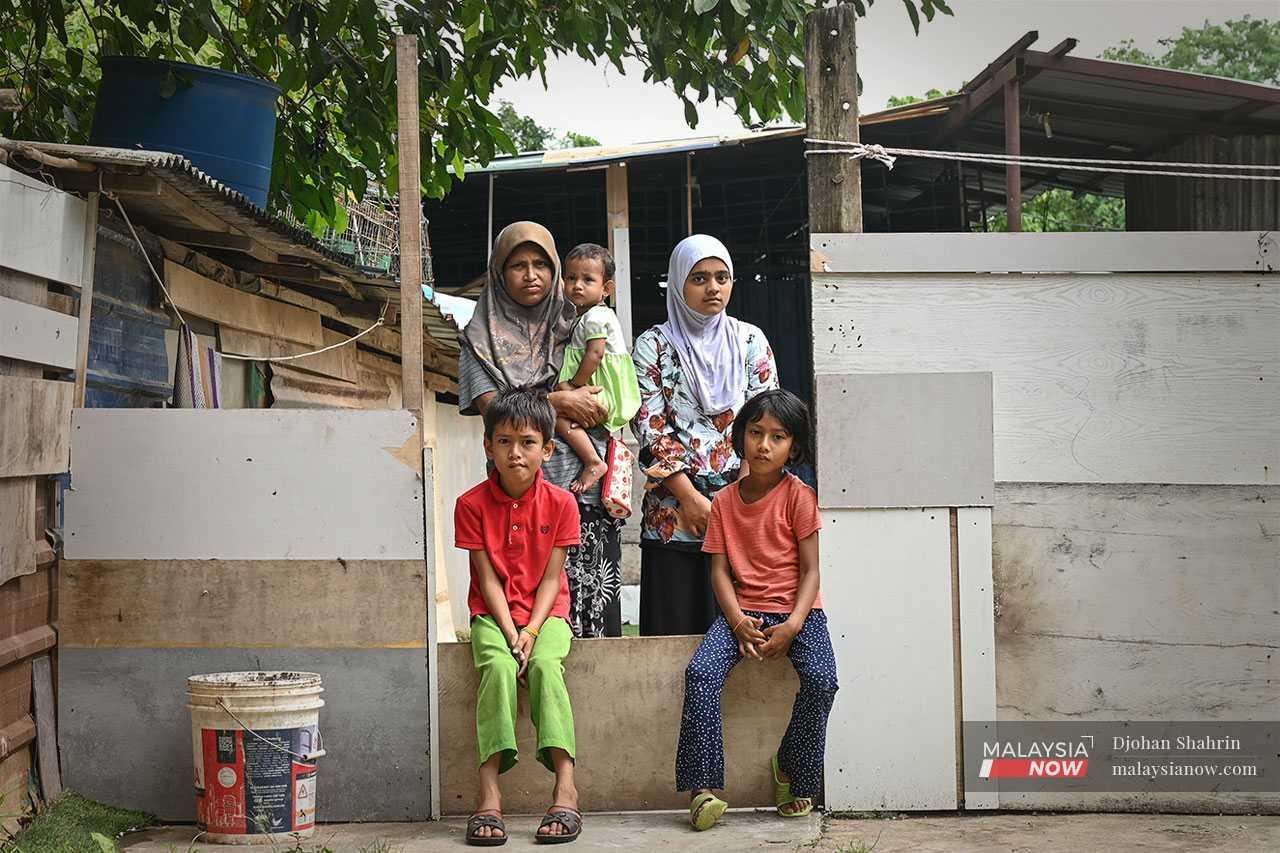
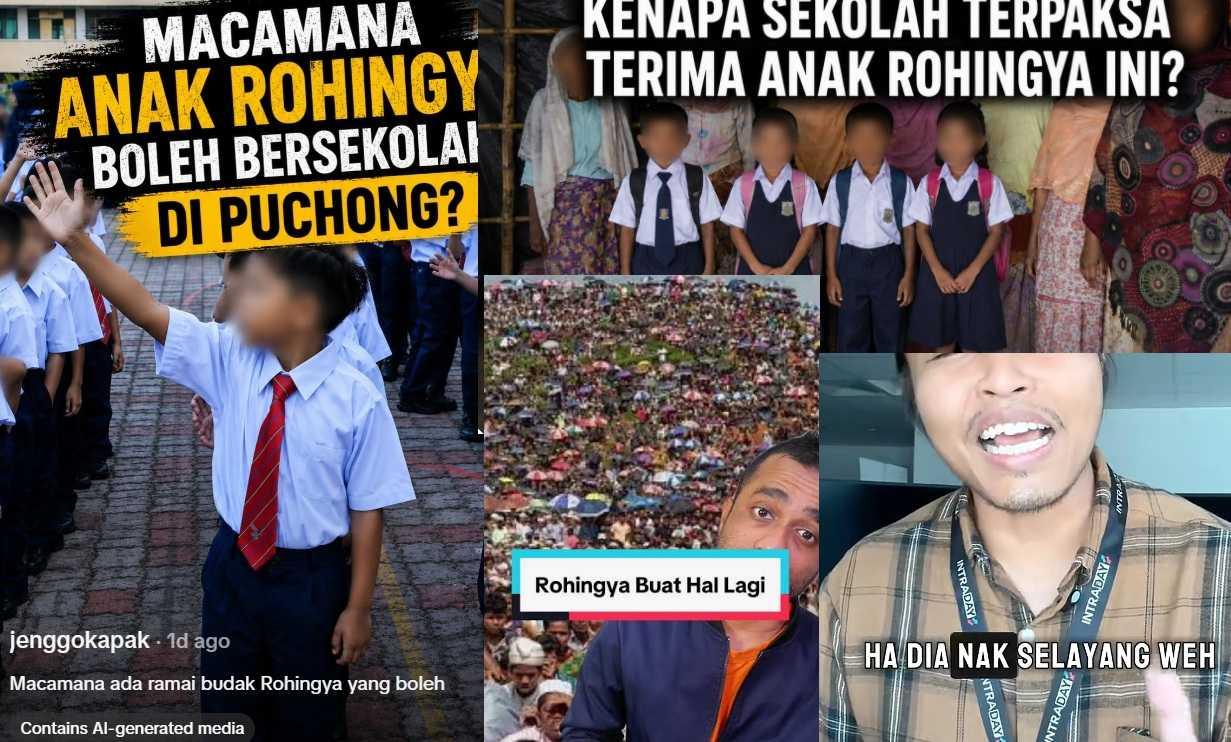
Videos targeting children of refugees attending school in Malaysia have been surfacing on TikTok and other social media platforms, with no sign of authorities flagging them despite clear violations of policies relating to minors, bullying and hate.
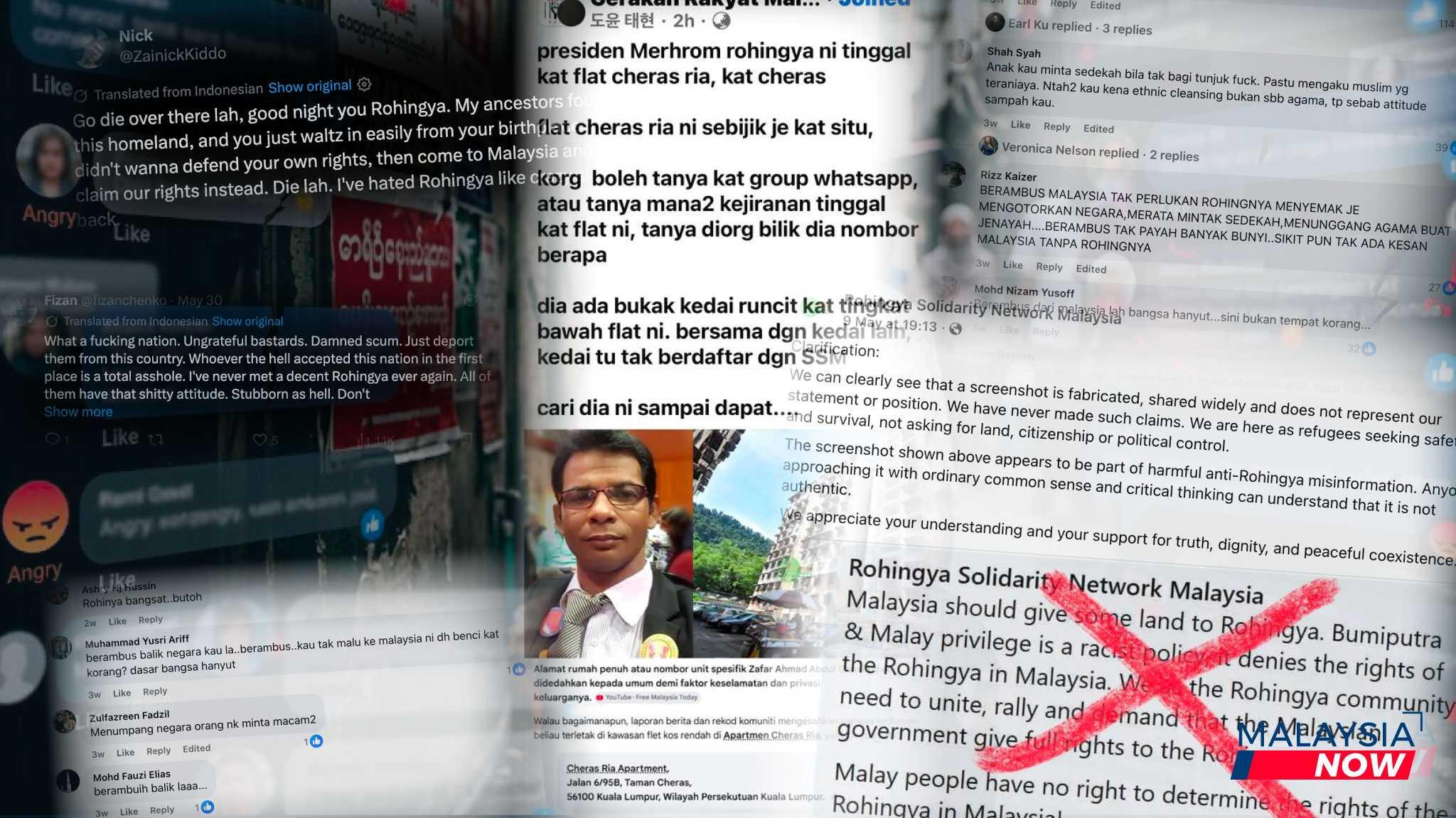
It marks a more emboldened online campaign by anonymous users who use bots – automated accounts that mimic real humans to perform repetitive actions resulting in mass following – to launch attacks against Rohingya refugees and the wider migrant community in Malaysia.
While some in government have cautioned against xenophobia, the campaign has already found tacit approval among a section of Malaysian politicians, and pressure generated online has to some extent prompted authorities to launch crackdowns against refugees.
Last month, over 100 Rohingya asylum seekers, most of them women and children, were detained by immigration officers as they gathered outside the UNHCR office in Kuala Lumpur.
They were among those who bore the brunt of a spiralling campaign on TikTok, after being driven out of their homes in Penang and forced to turn to UNHCR to seek assistance for resettlement.
More worrying, however, is that in recent weeks there has been an increasing focus on migrant children attending public schools, despite the government recognising their basic universal right to an education.
In 2019, the then Pakatan Harapan government led by Dr Mahathir Mohamad adopted a “Zero Reject Policy” to allow stateless, undocumented and refugee children access to primary-level education at public schools.
Despite its limitations, the move was widely welcomed by rights groups.
Now, with videos questioning the presence of migrant children in schools, there are worries that the government may revoke even this basic right.
“The government must be reminded that it cannot carry out its business based on manufactured consent arising from ignorance of human rights and xenophobia,” said one activist who has been working with migrant children for decades.
Much of the anti-Rohingya campaign, especially on TikTok, where short, algorithm-driven clips are prone to misinformation and AI-generated content, has been found to be deceptive and designed only to spur the public into attacking the Muslim refugees who fled their villages in Arakan that were burnt down by the Burmese army.
Many posts also blatantly incite violence against Rohingya and other migrants.
Despite this, the videos have rarely been taken down either by the social media platforms’ own vetting systems or by the Malaysian Communications and Multimedia Commission (MCMC), the internet authority which over the years has been behind restrictions and bans on social media accounts for violating laws on bullying, cyber scams, online hatred and criticism of the royal institution.
MalaysiaNow has reached out to MCMC for a response on xenophobic videos targeting migrant children attending school.
In one instance, MalaysiaNow attempted to flag a video on TikTok created by a group of children in a residential neighbourhood.
It shows them surrounding an ice-cream seller, repeatedly accusing him of being unhygienic and telling him to leave the area.
On July 3, however, TikTok said it found no violation of its policies. The video has since been taken down.
Other videos speak of a deluge of Rohingya residents in some areas in Selangor, claims that have been dismissed by none other than Menteri Besar Amirudin Shari recently.
The anti-Rohingya hate campaign has been condemned by the country's Human Rights Commission (Suhakam).
"The circulation of abusive comments and hateful narratives targeting Rohingya refugees during their religious observances is deeply troubling and reflects a dangerous trend of dehumanisation," Suhakam said in a statement on June 3.
It reminded the public that the fate of the Rohingya community falls under the category of genocide, the same fate suffered by Palestinians who have evoked sympathy among Malaysians.
"The international community has rightly expressed outrage over the devastation and loss of civilian lives in Gaza. That same commitment to human dignity and justice must extend to all peoples facing persecution, including the Rohingya, who have endured decades of systemic discrimination, statelessness, forced displacement, and mass atrocities in Myanmar," it added.
See more of our coverage in your search results.
Subscribe to our newsletter
To be updated with all the latest news and analyses daily.