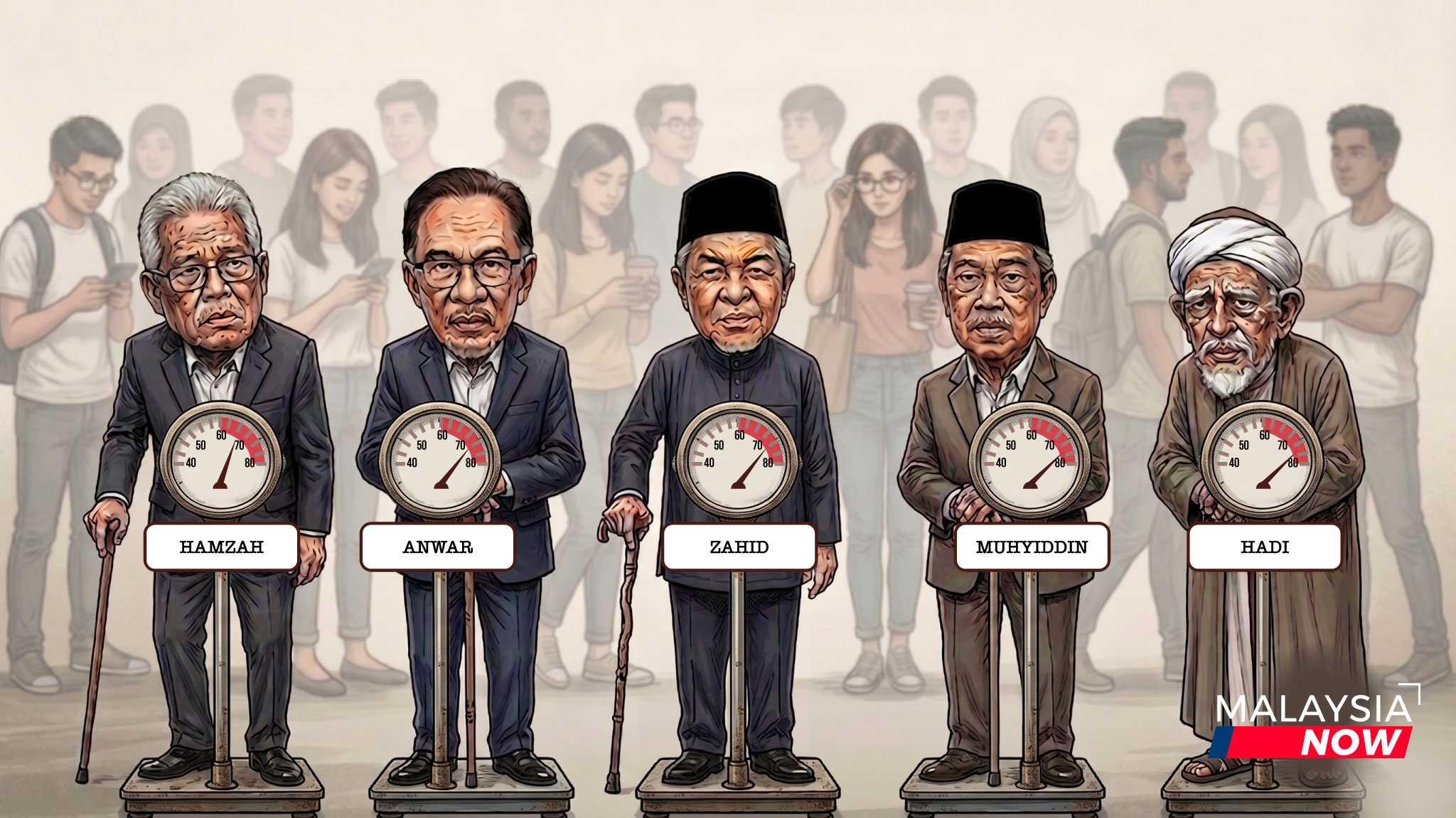
One politician, five pensions: A national retirement scandal
If pension reform is necessary to ensure fiscal sustainability, politicians should be the first to examine their privileges.
Just In
Why should holding several political offices entitle one person to several taxpayer-funded pensions?
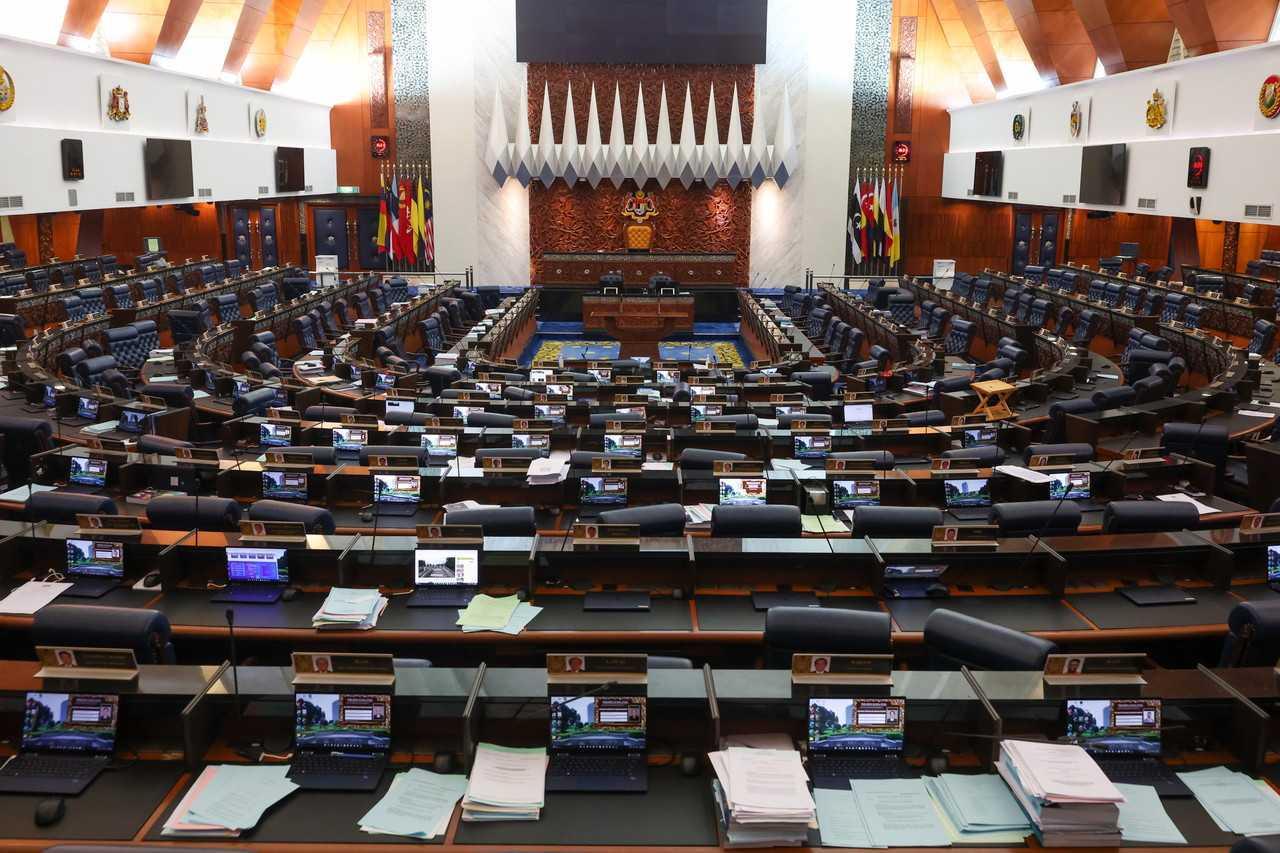
There is something quite extraordinary about Malaysia's political pension system. A politician can serve as MP, state assemblyman, menteri besar or chief minister, state executive councillor and perhaps speaker or deputy speaker, and potentially emerge from this political career with several separate pensions.
In other words, the more political positions one occupies, the more retirement benefits one may accumulate, all at the taxpayer’s expense.
What kind of retirement system is this? And why should politicians enjoy privileges that ordinary Malaysians can only dream about?
The issue has once again entered public discussion following Penang assemblyman Ong Ah Teong's proposal for a “one person, one pension” policy during the debate on the Penang Budget 2027. His intervention deserves to be taken seriously, but this should not remain a Penang issue. It is a national scandal requiring urgent parliamentary scrutiny.
Extraordinary scale of political pensions
In June 2024, Malaysiakini reported that some Malaysian politicians could be entitled to combined monthly pensions exceeding RM30,000 or even RM40,000.
Among the examples highlighted were Shafie Apdal, who could be entitled to RM40,664 a month; Idris Jusoh (RM39,082); Muhyiddin Yassin (RM37,640); Azmin Ali (RM36,707); Jeffrey Kitingan (RM36,285); Mahdzir Khalid (RM35,082).
These were estimates of accrued pension entitlements, not necessarily verified monthly payments being received by those individuals. Nevertheless, they expose the extraordinary excess and inequity of the system.
How does this happen?
Malaysia has separate federal and state pension arrangements for elected representatives and certain political officeholders. Federal and state entitlements can accumulate independently. Consequently, a politician who has served in both federal and state government may qualify for several pensions.
Now party members realise why party leaders insist that they have to heroically “fight” in federal and state seats. There are also provisions governing the pensions of MPs, ministers, state assemblymen, chief ministers, menteri besar and other officeholders. The result is a system in which political longevity and the accumulation of public positions can translate into multiple retirement benefits.
Consider the absurdity: a person who has served as an MP, assemblyman, MB and exco member may potentially qualify for several pensions, whereas an ordinary Malaysian worker must generally make do with one retirement fund or pension.
Compare this with an ordinary public servant. A teacher, nurse, doctor or civil servant may spend 30 years serving the public before qualifying for a maximum pension of 60% of final salary under the traditional pension arrangement.
Why should an elected politician enjoy such generous retirement provisions after a fraction of that service?
Of course, political office carries considerable responsibilities. But that is precisely what they are elected and remunerated to do. It does not follow that they should receive several separate lifetime pensions simply because they have occupied different political positions. Public office is a responsibility, not a retirement jackpot.
The hypocrisy of pension reform
Malaysia has been debating the sustainability of its public pension liabilities for years. New public-sector recruitment has increasingly moved towards EPF-based arrangements, while ordinary Malaysians are constantly reminded to save more for their retirement.
Workers in the private sector are expected to depend on their EPF savings, often finding that these are inadequate to sustain them through old age. Many elderly Malaysians continue working because their retirement savings have been exhausted. Others struggle with rising food prices, medical expenses and housing costs.
Meanwhile, politicians can potentially collect several pensions financed by public money. Where is the principle of shared sacrifice?
If the government believes that pension reform is necessary to ensure fiscal sustainability, surely politicians should be among the first to examine their own privileges.
It is difficult to preach austerity while preserving a system that allows political officeholders to accumulate multiple taxpayer-funded retirement benefits.
One person, one pension: five reforms
We need a comprehensive reform of political pensions, covering both federal and state governments.
1. Introduce a one-person, one-political-pension principle
A politician who has served as MP, assemblyman, minister, MB or CM should receive one consolidated political pension, not several separate pensions for the different offices held. The highest qualifying salary should be used to calculate the pension, subject to a reasonable overall ceiling.
2. Review the qualifying period
Three years of political service is an extraordinarily short period on which to base a lifetime retirement entitlement. The government should review the qualifying service period and consider aligning it more closely with the principles governing other public retirement arrangements. A contributory scheme, with contributions from both the officeholder and the public purse, deserves consideration.
3. Publish the actual costs
The public should not have to depend on journalistic investigations and estimates to discover how much politicians receive in retirement benefits. The federal and state governments should publish the number of former MPs and state assemblymen receiving pensions, the number receiving more than one political pension, the actual monthly and annual amounts paid, the total annual cost to taxpayers, and the projected long-term liabilities of these schemes. This information should be publicly accessible and updated annually.
4. End the accumulation of pensions through multiple political appointments
The government should examine the pension arrangements for speakers, deputy speakers, political secretaries, ministers, deputy ministers and other political officeholders. Holding an additional political appointment should not automatically create another lifetime pension entitlement. There should be a clear distinction between remuneration for performing additional responsibilities while in office and retirement benefits after leaving office.
5. Make politicians subject to the same principles of retirement fairness
We should move towards a fairer and more sustainable retirement system in which politicians do not enjoy privileges unavailable to the people they represent. This does not mean denying former politicians reasonable retirement security. It means ensuring that public office does not become a means of accumulating extraordinary personal retirement wealth at public expense.
Any reform must, of course, respect existing legal entitlements and constitutional protections. But there is no reason why future political appointments and future pension entitlements cannot be governed by fairer legislation.
There is a wider question of democratic accountability here. Politicians are elected to represent the people, not to create a privileged retirement class for themselves. Their salaries and allowances are already paid from public funds. Their retirement arrangements should be reasonable, transparent and proportionate to their service.
Kua Kia Soong is a former MP and director of human rights group Suaram.
The views expressed in this article are those of the author(s) and do not necessarily reflect the position of MalaysiaNow.
See more of our coverage in your search results.
Subscribe to our newsletter
To be updated with all the latest news and analyses daily.