Old faces, young voters: Could Malaysia be headed for a Vijay-Mamdani-style election upset?
Will the millions of Gen Z Malaysians who have never voted for any of the current leaders cause an upset at the coming polls?
Just In
Over the past two months, internal rifts among political parties have led to the formation of new coalitions and partnerships, leaving the electorate, especially younger voters, confused when faced with a crowded ballot paper featuring candidates contesting against parties they represented for so long.
Within the government, a widening rift between Pakatan Harapan and Umno is increasing pressure on Prime Minister Anwar Ibrahim to call a general election, with at least two sources from PKR stating there are attempts to replicate the fallout seen in Negeri Sembilan and Johor to force state elections.
The rift is deepening as tensions escalate, with Anwar and PH leaders launching scathing attacks on Umno during recent gatherings with supporters.
Anwar expressed his frustration at the speed with which Umno is distancing itself from the so-called unity government it joined in 2022, when the party was given a lifeline in the PKR leader's hope to finally secure the top office.
Last week, Anwar criticised those trying to force an early general election, accusing them of betraying the spirit of cooperation formed almost four years ago.
"I can be patient, but sometimes I get fed up. So much talk about defending the people, taking care of the people, unity, (yet) committing betrayal by working to topple," he told a PH gathering last week, in remarks aimed at Umno leaders in Johor and Negeri Sembilan who broke ranks with PH to force state elections.
A source said Anwar has no choice but to go on the offensive, as there are strong indications that at least two more states where PH and Umno have formed fragile state governments may also be on the brink of elections.
"Should that happen, then the general expectation is that he would just call for a general election," said one PKR MP who spoke to MalaysiaNow on condition of anonymity.
The PH-Umno dispute is not the only issue shaping the coming general election. Other changes are already confusing the largest and perhaps most critical group of voters: the so-called Gen Z and new voters, those in the 18 to 28 age bracket.
The confusion is mainly centred on old players in new partnerships.
Within the opposition, a faction led by Hamzah Zainuddin, who was sacked from Bersatu alongside many others, is forming a new party called Parti Wawasan Negara.
The new party is fully endorsed by PAS, which has severed ties with Bersatu led by Muhyiddin Yassin. Meanwhile, the Perikatan Nasional coalition built by PAS and Bersatu is in limbo, with no consensus on its way forward, leaving the coalition as an abandoned vehicle for now.
Within PKR, Rafizi Ramli has broken ranks and formed Bersama, with the support of several other PKR leaders who joined the reformasi battlecry, and who have remained in the Cabinet for a good 30 months despite growing public anger at Anwar's failure to implement his promises and his government's increasingly authoritarian approach to dissenting voices.
Ageing leaders
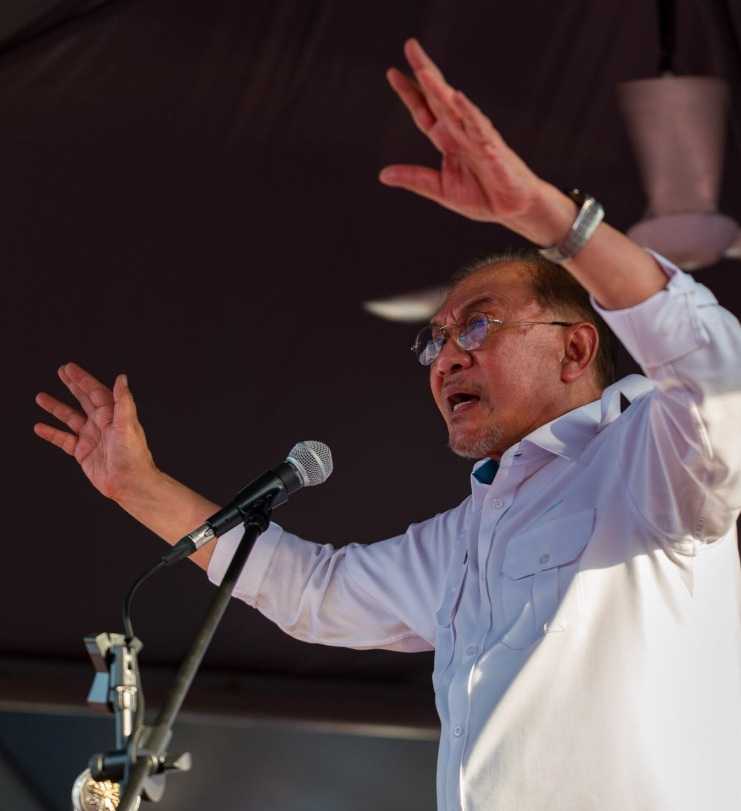
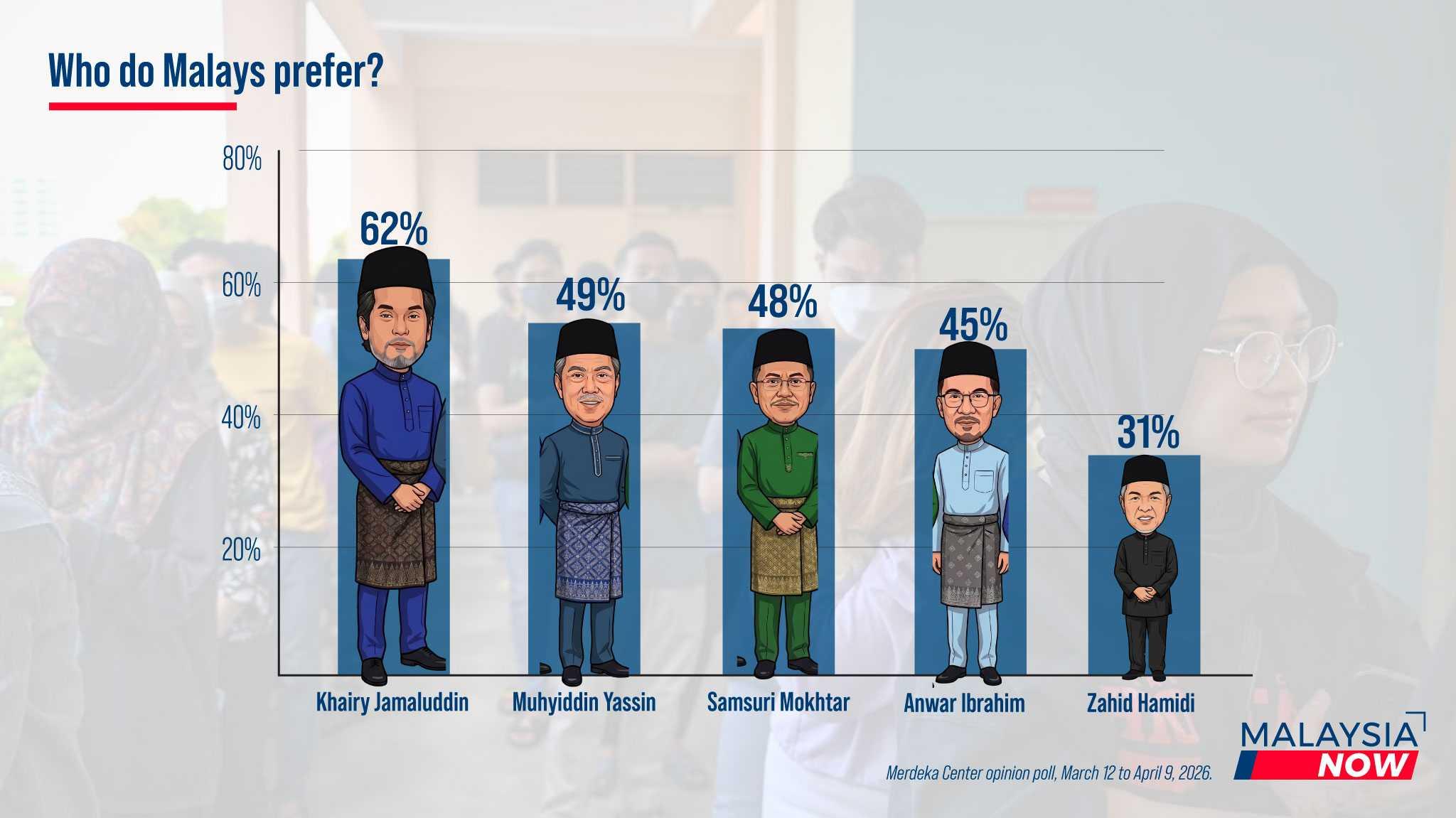
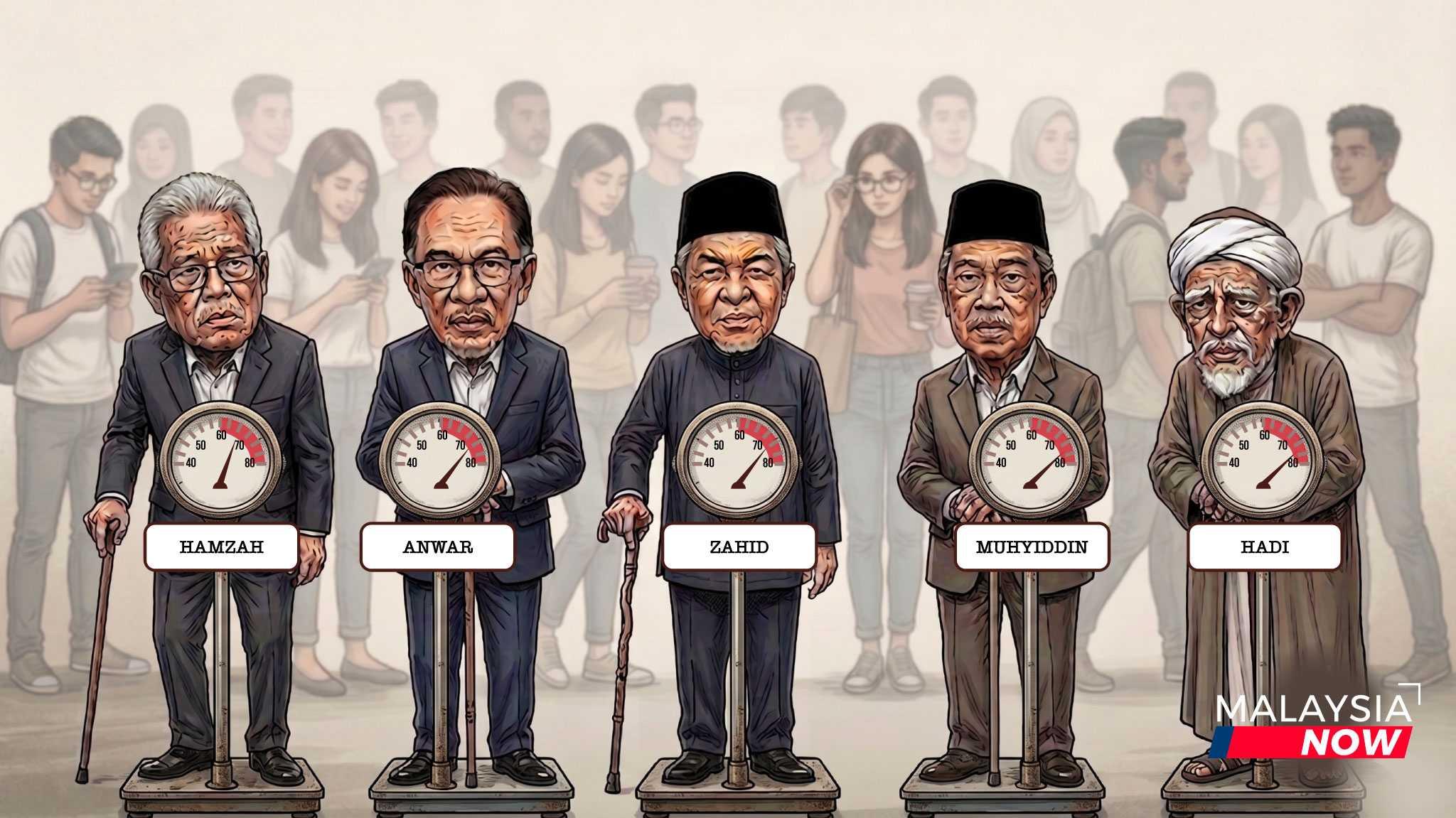
A stark reality is that none of these parties, including the new ones, are led by younger leaders, let alone someone under 60 as a prime ministerial candidate. Although 56-year-old Ahmad Samsuri Mokhtar, who is being promoted by PAS as a prime ministerial material, fits the description of a younger leader compared with much older politicians, he is not in control of the party he represents, where decisions are made by a 79-year-old whose words are treated as edict.
But PAS president Abdul Hadi Awang is not the only one approaching the eight-series age bracket. In PKR, Anwar, already the oldest ever serving prime minister – if one disregards Dr Mahathir Mohamad's historic return to power in 2018—turns 80 next year. In other words, Anwar is now double the age he was when he first began promoting himself for the top office.
The same applies to other Malay politicians often presented as PM material: Hamzah turns 70 next year, while Muhyiddin turns 80. Meanwhile, at 73, Umno president Ahmad Zahid Hamidi is also not getting any younger.
The Mamdani-Vijay upsets
What options do younger voters – those aged between 18 and 35 who include the Gen Z – have at the coming 16th general election, due in 2027?
Politicians cannot afford to disregard this group, which is largely seen as indifferent to politics. Even those interested in politics carry no baggage from the past and may choose someone who best represents their ethos and lifestyle.
Such was the case in recent political upheavals and elections in Nepal, Bangladesh and Indonesia, as well as during the New York mayoral elections and most recently in the Indian state of Tamil Nadu.

In New York, Zohran Mamdani, the youngest candidate among more established and well-oiled individuals, emerged victorious in what is perhaps one of the greatest upsets in a US election.
In Tamil Nadu, 51-year-old Joseph Vijay shockingly defeated two other favourites for the chief minister's post – MK Stalin and Edappadi K Palaniswami – both two decades older than him.
Vijay's party, Tamilaga Vettri Kazhagam (TVK), was newly formed, and its line-up of candidates was comparatively younger, with about 40% of those who won being under the age of 40.
Pundits were unanimous that Vijay's spectacular rise to power was due to his youth and urban appeal, as he successfully captured the votes of Gen Z and first-time voters.
However, a more significant factor was his party's fresh political narrative.
"He arrives at a moment when established leaders are seen as jaded. He represents youth – and a new interplay of memory and messaging in how voters imagine their leaders," prominent Indian academic Shiv Visvanathan told the BBC when commenting on Vijay's victory.
8.5 million 'young voters'
It remains to be seen whether political leaders in Malaysia, especially those claiming to have younger appeal, will be able to replicate the Mamdani and Vijay effect.
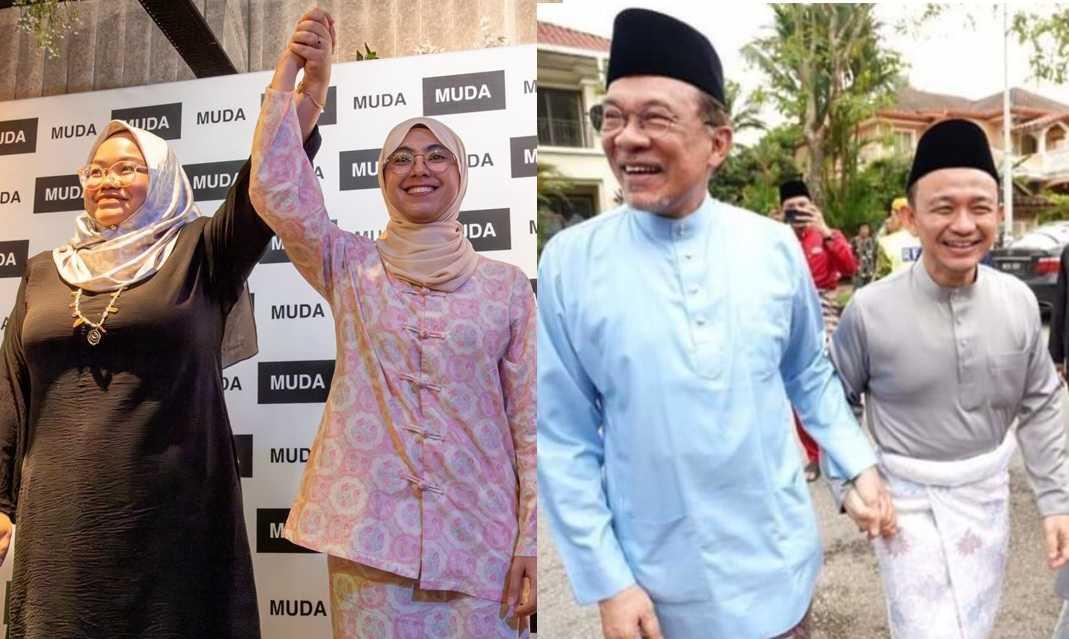
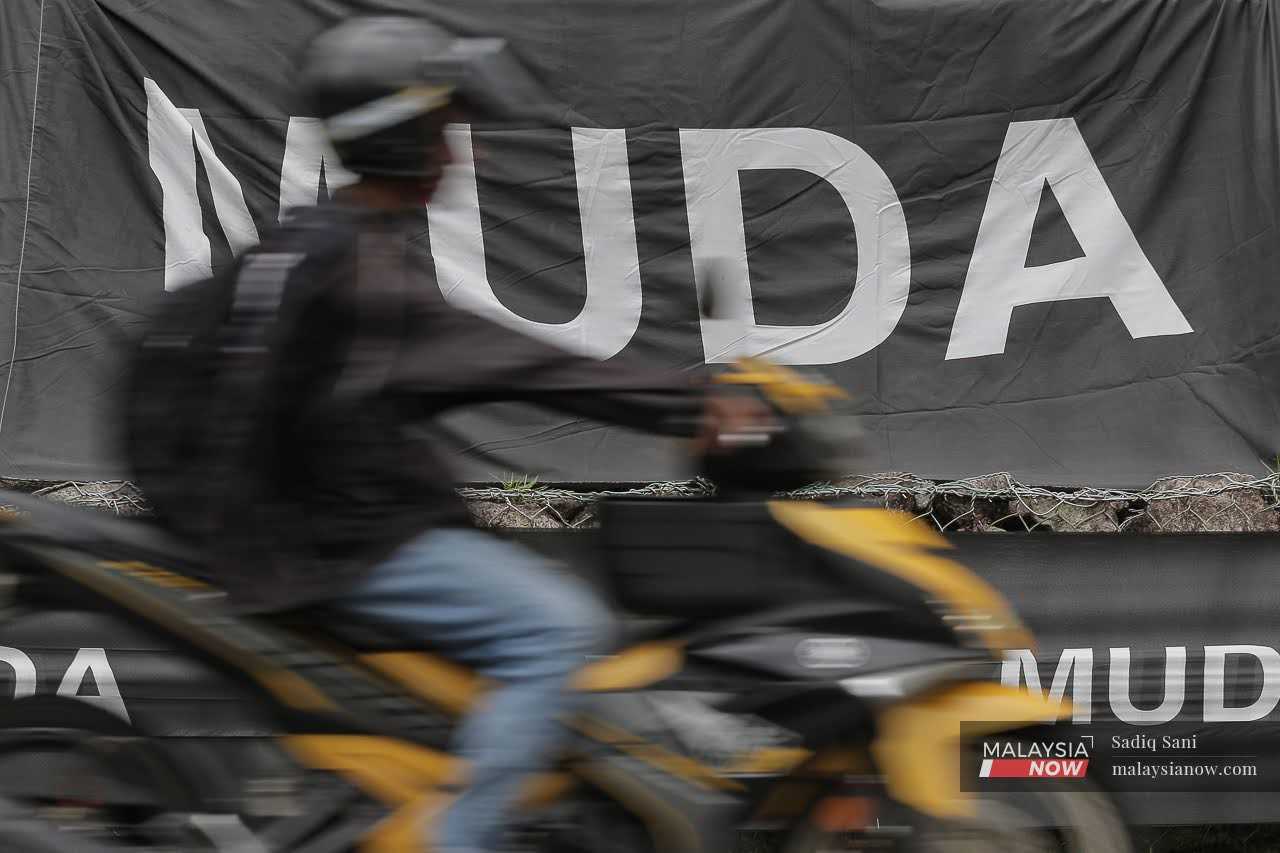 For now, most "younger" politicians are seen as underdogs, including those from Muda, the "youth-led" party which, in the last general election, gained only 0.5% of the national popular vote, and that too by aligning with Anwar's PH. At that time, new voters in the 18–20 age bracket made up only 16% of the seven million new voters who became automatically eligible.
The number has since grown. Not only are those aged 18–22 who did not get to vote in the 2022 elections now eligible voters, but the size of the Gen Z electorate aged 18–28 has also increased.
Combined with those aged up to 35, the youth vote becomes a formidable force in upcoming elections, making up about 40% of the total electorate.
According to figures seen by MalaysiaNow, there are 8,550,984 voters in the 18–35 age bracket if the general election is called this year. Of these, 1,811,723 are first-time voters, who have been automatically added as they reached the minimum voting age of 18 since the last polls in 2022.
The 1.8 million new voters have never cast a ballot for any incumbent, making them a potentially critical kingmaker segment.
Beyond numbers, the same factors that propelled underdogs such as Mamdani and Vijay are also present in Malaysia, namely the stagnation of established parties and the dominance of the same old faces in mainstream politics.
Vijay's TVK had zero political experience and faced decades-old entrenched parties.
So too was Mamdani, a migrant in New York, who ran against a former governor and became the first Muslim mayor of a city with the largest Jewish population outside Israel.
The coming state elections in Johor and Negeri Sembilan, and the fast-approaching general election, may reveal whether their success stories can be replicated in Malaysia.
See more of our coverage in your search results.
Subscribe to our newsletter
To be updated with all the latest news and analyses daily.