Pushback grows against anti-Rohingya hate amid MCMC silence on xenophobia
Many call out the anti-migrants rhetoric even as authorities fail to take action against a wave of incitement to violence.

Just In
Members of the public, activists and Muslim preachers have pushed back against hostility towards Rohingya refugees in Malaysia, even as the government’s internet regulator remains silent on a systematic social media campaign of hatred that glorifies bullying and harassment of the refugee community.
Many have taken it upon themselves to challenge a wave of xenophobic rhetoric that has increasingly spilled over into real life, culminating in an arson attack on a refugee settlement in Johor on Oct 13.
Just last month, at least two influential Muslim preachers with huge followings in Malaysia spoke out against the campaign of hatred towards Rohingya refugees.
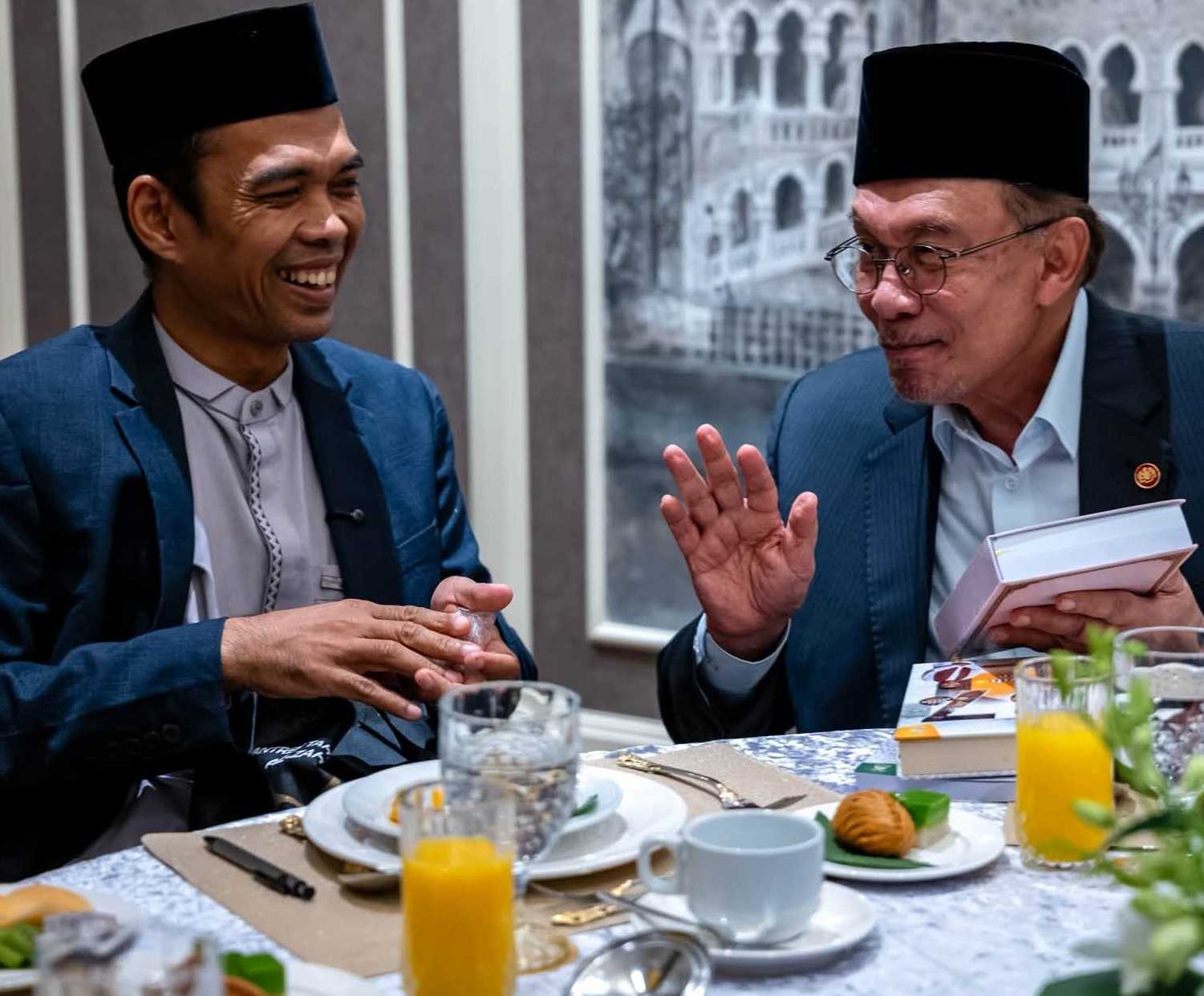
During a lecture event hosted by Prime Minister Anwar Ibrahim, Indonesian preacher Abdul Somad made it clear that it was Muslims’ humanitarian and religious duty to ensure the protection of refugees.
“Be just, that is nearer to righteousness,” said Somad, who was seated next to Anwar. Anwar recently snubbed Malaysia’s decades-old policy of not recognising the Myanmar regime by rolling out the red carpet for its leader, and ignored warnings from rights groups by repatriating thousands of refugees to the hands of the junta, which is facing war crimes allegations.
Somad alluded to a frequently quoted anecdote from Islamic tradition, in which Prophet Muhammad shared the story of a prostitute who was forgiven by God after she took off her shoe to draw water from a well in order to feed a thirsty dog.
“Remember, God once forgave the sins of a woman who was considered unclean, for showing kindness to an animal deemed unclean. There are three layers of ‘impurity’ here: the woman herself (in the eyes of society), her footwear, and the animal.
“Yet, a single drop of water was enough to wash away her transgressions. If an act of kindness towards an animal, even one that is considered unclean, is counted as charity, how much greater, then, is the reward for kindness shown toward a fellow human being?” Somad said.
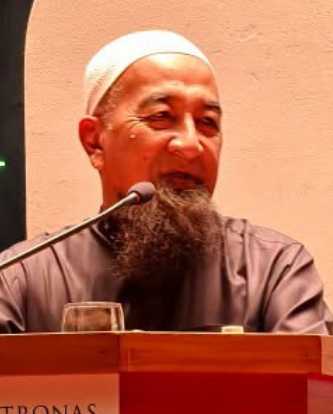
Early last month, popular local preacher Azhar Idrus reminded Muslims not to oppress people who were persecuted, and questioned rules prohibiting refugees from having jobs and education.
“We prohibit them from a lot of things. Then what do we allow?
“They cannot go to school. So what can they do? They cannot work. So what can they do? They cannot sell, so where can they sell? They cannot have homes, so where should they stay? They are not animals,” said Azhar.
This followed a stinging rebuke by independent Muslim activist Firdaus Wong, who warned that the anti-Rohingya hate campaign was a prelude to greater crimes.
“The way we dehumanise them – and I will be as blunt as possible – is just a carbon copy of how the Nazi had done to the Jews. They begin with dehumanisation first, then they will start to justify with a greater crime,” Wong said on Sept 13.
A similar statement was issued by the Malaysian Consultative Council of Islamic Organisation (Mapim), an umbrella group of Muslim NGOs nationwide, which urged the Malaysian Communications and Multimedia Commission (MCMC) to act against online xenophobic material targeting the Rohingya.
Mapim warned of a network of fake accounts deliberately manipulating public sentiment.
“Do not allow social media algorithms to determine who Malaysians should hate,” said its president Azmi Abdul Hamid.
MCMC, which over the years has implemented restrictions and bans on social media accounts for violating laws on bullying, cyber scams, online hatred and criticism of the royal institution, has yet to respond to queries by MalaysiaNow on whether any action has been taken against the xenophobic campaign.

The latest criticism came from an activist in Pahang, who condemned a group of individuals for humiliating a Rohingya refugee in a video circulated online.
In the video, the men, who are part of a vigilante group called “Surplus”, began asking the familiar questions about his presence in Malaysia.
It then took a disturbing turn when one of them remarked: “Now we don’t want you. We want to kill you, like Myanmar does to the Rohingya. Is that how it is?”
“Here is a man recounting how his wife was murdered and his village burned down. And then the word ‘murder’ is uttered to him to question his presence here,” wrote Salman Al Farisi Muhammad on Facebook.
Much of the content in the anti-Rohingya campaign has been spread by bots and fake social media accounts using hundreds of AI-generated videos to turn public hostility against refugee and migrant communities, similar to the campaign in Aceh in 2023, when an online hate drive spurred locals to demand the expulsion of Rohingya refugees just months before the Indonesian presidential election.
The campaign has already found tacit approval among government leaders, including Anwar, who appeared to agree with the narrative of Rohingya refugees as troublemakers.
In September, Anwar repeated a familiar claim from the xenophobic campaign that the Rohingya have “invaded villages, broken laws, held illegal gatherings and questioned the position of Malaysians”.
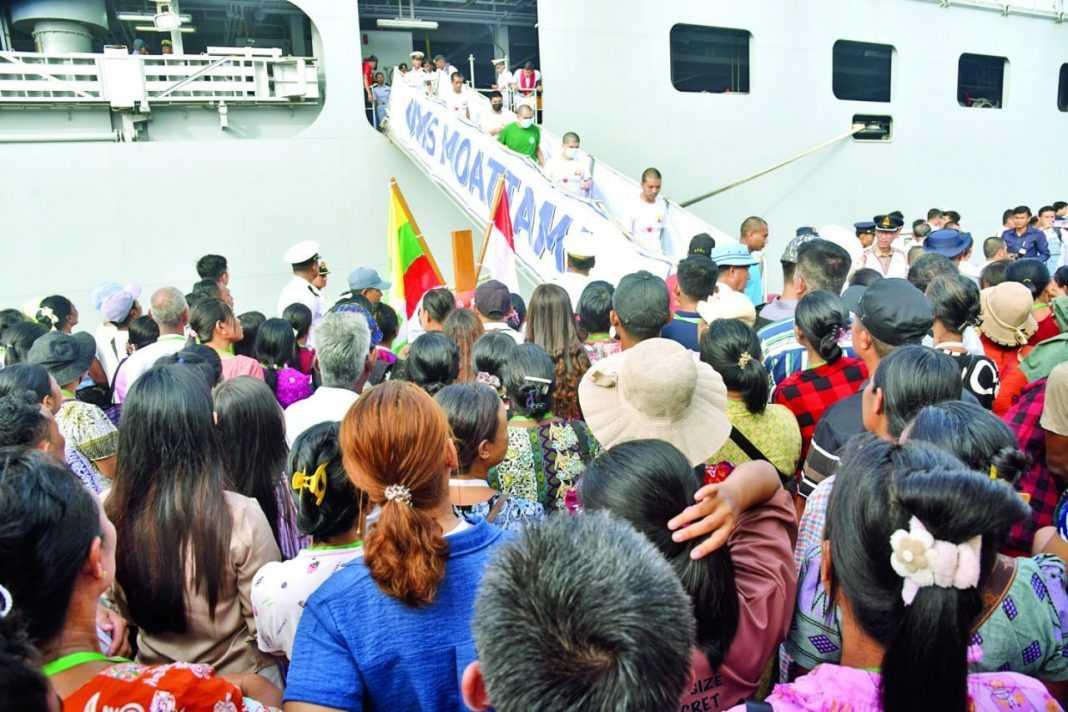
This was followed by the prime minister’s sudden reversal of Malaysia’s decades-old policy of protecting the Muslim refugees who were stripped of their citizenship by the Myanmar junta, alongside an announcement that a deal had been reached with the regime to deport thousands of Myanmar nationals under what is called a “voluntary repatriation programme”.
On Oct 8, Anwar gave a rousing welcome to Min Aung Hlaing, the Myanmar military leader cited for crimes against humanity by the International Criminal Court (ICC).
The move sparked outrage on Anwar’s social media pages, with many suggesting that Malaysia may have cleared the path for a similar visit by Israel’s Benjamin Netanyahu, who is also facing war crimes charges.
See more of our coverage in your search results.
Subscribe to our newsletter
To be updated with all the latest news and analyses daily.