Stop the hate, protect the Rohingya in Malaysia
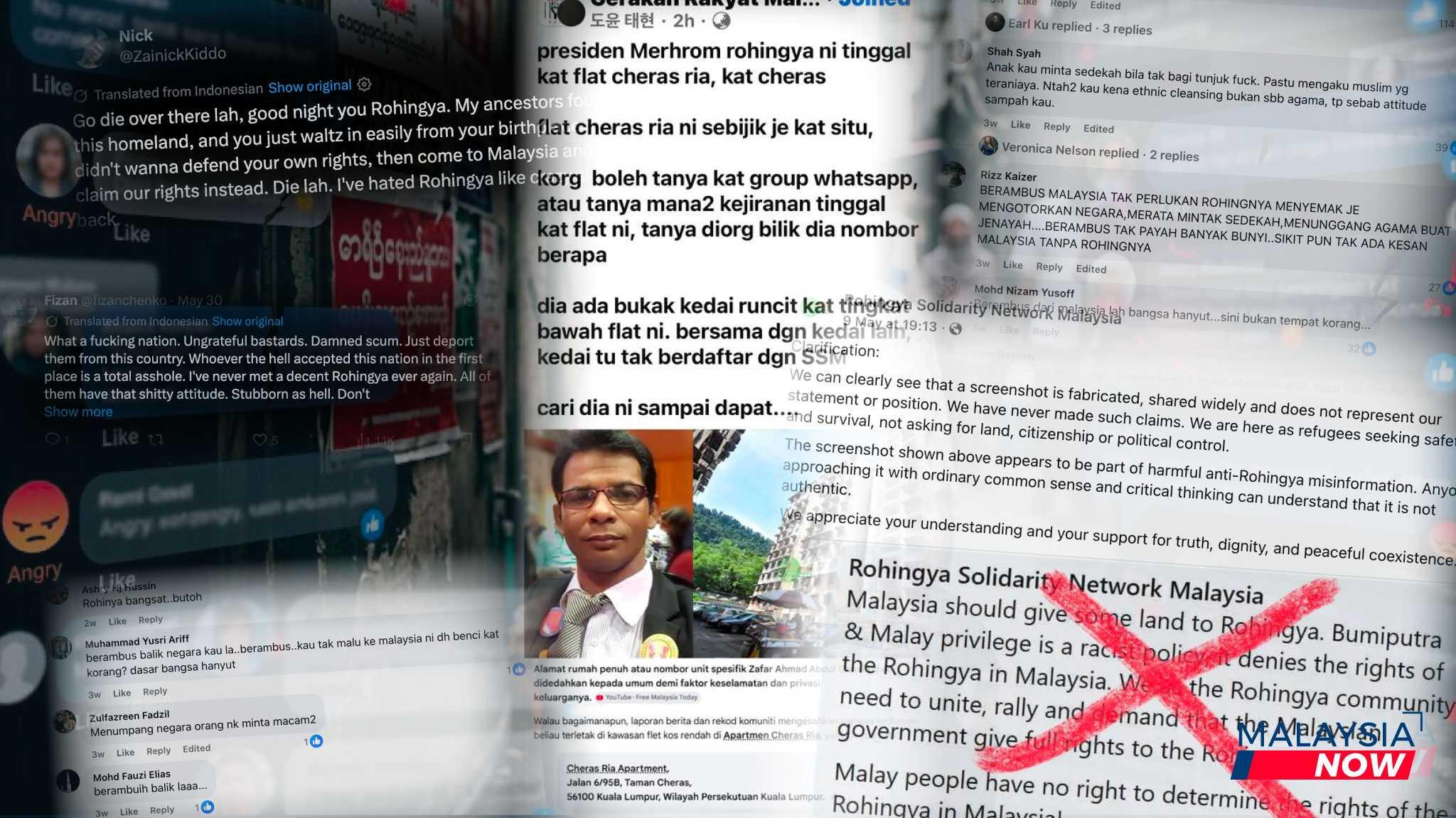
The online rhetoric does not reflect reality, but reflects fear deliberately stoked by misinformation.
Just In
I am deeply alarmed by the surge of online hate speech and disinformation targeting the Rohingya community in Malaysia, and by how rapidly that hatred has translated into real harm on the ground.
Just this week, 27 Rohingya men and women were laid to rest in Pokok Sena, Kedah.
They were among a group that also counted children among the dead. They had drowned months ago when their boat capsized near Langkawi as they attempted to reach Malaysia. They paid the ultimate price simply for seeking safety. Their plight is real. It is not a social media narrative. It is a matter of life and death.
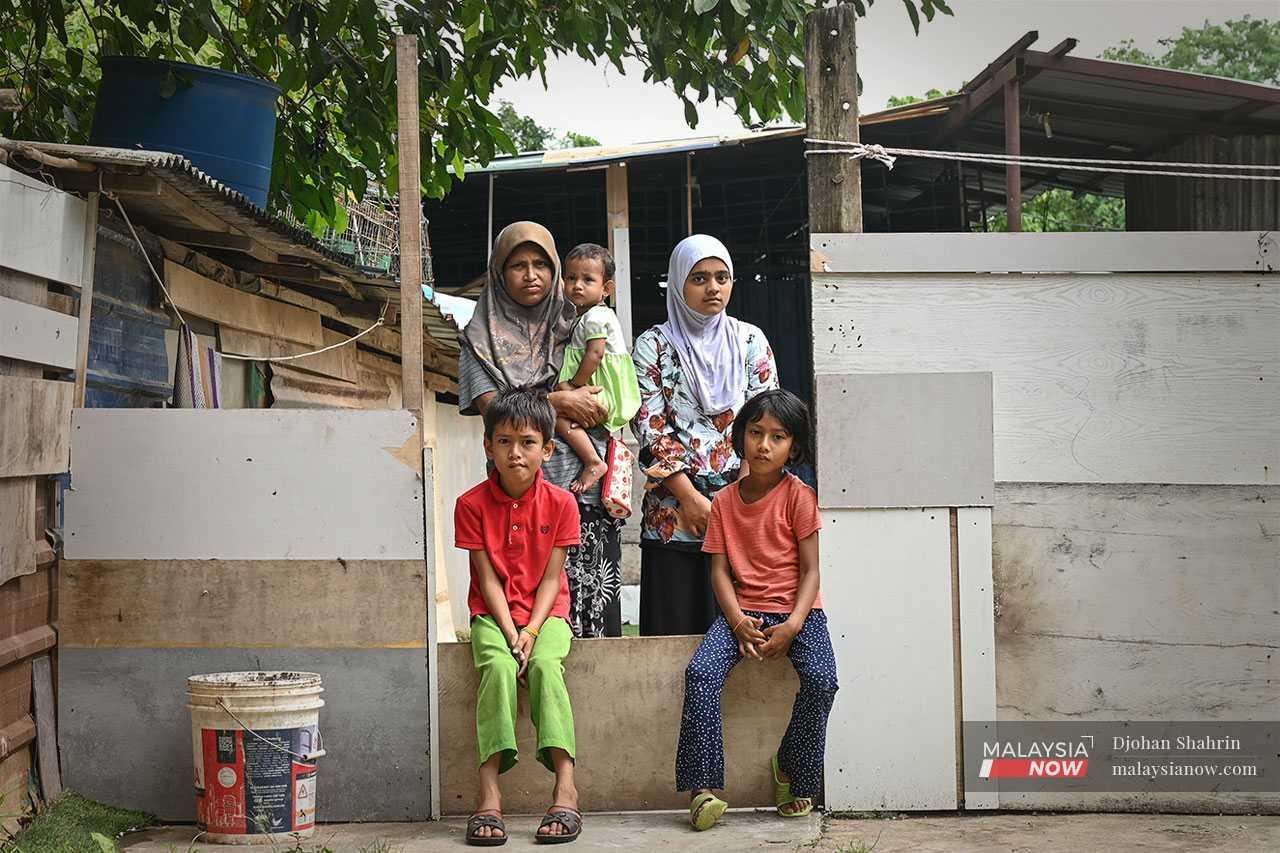
The current wave of hostility — fuelled by fabricated social media posts falsely claiming Rohingya refugees are demanding citizenship or special rights — has spilled dangerously beyond online spaces. Refugee communities are living in fear. Refugee residences have been raided; buildings that housed Rohingya tenants have been subjected to enforcement action following social media pressure. Rohingya-operated businesses and even learning centres have been disrupted. Multiple online petitions calling for the "removal" of the Rohingya from Malaysia have gathered hundreds of thousands of signatures.
The language used in this campaign has been vicious and dehumanising — Rohingya have been described as dirty, disease-ridden, and uncontrolled breeders; accused of being criminals who act outside the law; and blamed for straining Malaysia's healthcare, housing, and public services.
This rhetoric does not reflect reality. It reflects fear deliberately stoked by misinformation. This is not the Malaysia we should aspire to be.
I want to be clear: Malaysia hosts one of the largest refugee populations in the region — approximately 126,000 registered Rohingya and over 215,000 refugees and asylum seekers in total, as recorded by UNHCR.
Malaysia has not signed the 1951 Refugee Convention and lacks a domestic legal framework for refugee protection; the entire regime rests on government policy and ad hoc directives. Despite this, Malaysia has by and large shown generosity in allowing refugees to remain. That generosity deserves recognition.
Malaysia has previously extended hospitality to refugees from Vietnam, Aceh, and Mindanao. Many of them eventually returned home when conditions allowed, or were resettled to third countries.
All refugees want to return home. No one chooses to live in limbo. The Rohingya are no different — they too would return if it were safe to do so.
But the Rohingya continue to come — from Myanmar and from the overcrowded, deteriorating camps in Bangladesh — because they have nowhere else to go. The Myanmar military junta continues to persecute them with impunity. Armed clashes and attacks on civilians continue in Arakan/Rakhine State.
Rohingya villages have been systematically destroyed. Return is not an option. They are not economic migrants. They are survivors of ongoing atrocity.
Proposals to place Rohingya in camps or on offshore islands, to drive them to the borders, or to push boats back to sea are not policy solutions. They are persecutions by another name and are incompatible with any credible claim to upholding humanity and the rule of law. We cannot make life worse for people who have already lost everything.
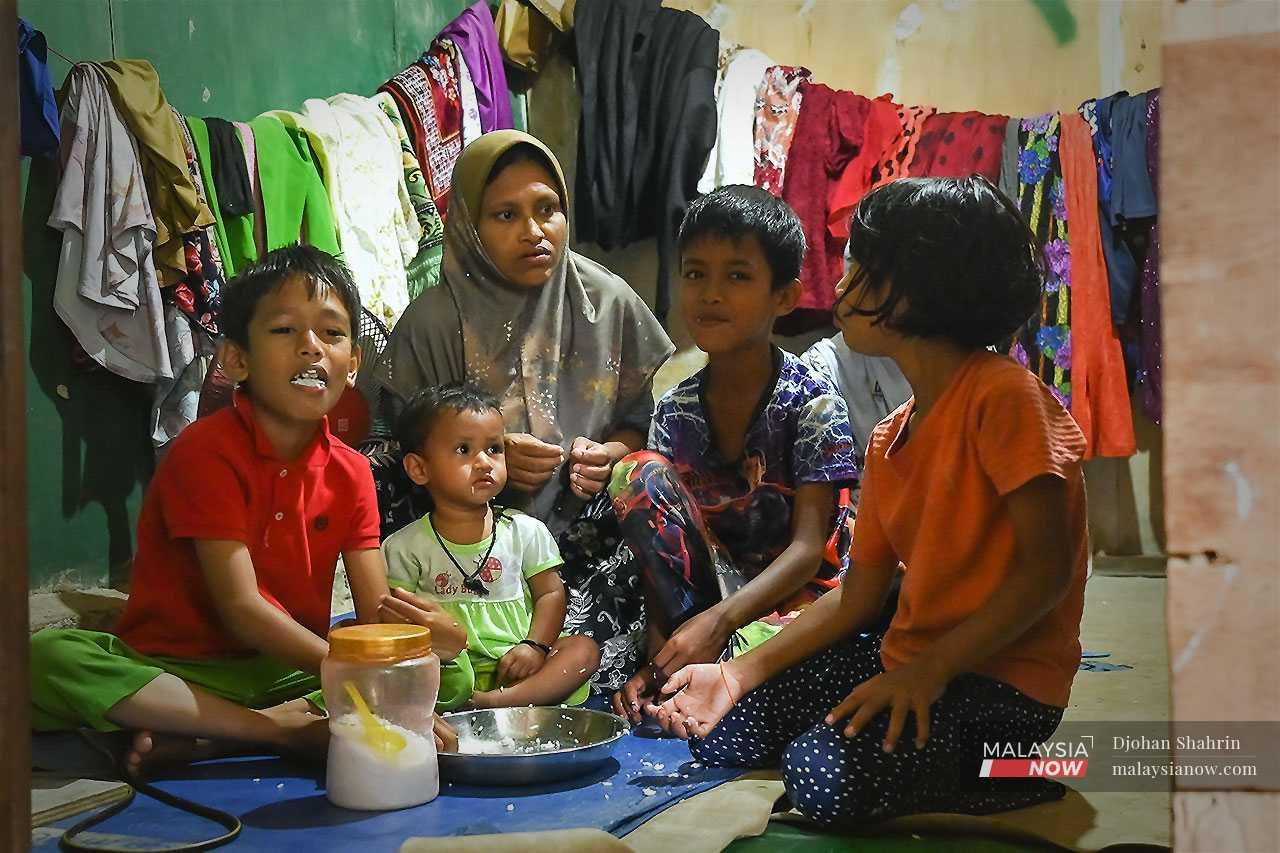
With little to no government support, and only limited resources from civil society organisations, the Rohingya are largely left to fend for themselves. They need to be able to access food, water, shelter, healthcare, and livelihoods on a daily basis. Denying them this does not make Malaysia safer. It only deepens their suffering.
Malaysia is carrying a disproportionate burden, and I call on the international community — states, multilateral bodies, and international organisations — to step up meaningfully through increased resettlement, sustained financial support, and unwavering diplomatic pressure on Myanmar.
I welcome the home ministry's Refugee Registration Document (DPP) process as an important step towards bringing structure and clarity to refugee management. As the ministry itself has acknowledged, the DPP is about migration control and obtaining accurate data — it is not a grant of citizenship or permanent residence.
I urge the government to be clear and consistent in communicating this to the public, to defuse the dangerous misinformation that is currently driving hostility.
I also urge the government to be more transparent in its approach — to work constructively with UNHCR and civil society organisations, whose experience and access are essential to any durable and humane solution.
More broadly, I call on the government to take firm and principled leadership. Silence in the face of incitement is not neutrality — it is permission.
The government must publicly condemn hate speech targeting the Rohingya and must ensure that threats and incitement to violence are investigated and, where warranted, prosecuted.
Beyond enforcement, the government has a responsibility to educate and inform. Malaysians deserve an honest account of who the Rohingya are, why they are here, and what the government's policies are. It is worth recalling that former prime minister Najib Razak once held a large public rally in solidarity with the Rohingya — a recognition, at the highest political level, that their suffering demands a compassionate response. That spirit must not be lost.
I also call on members of the public to refrain from taking matters into their own hands.
Vigilantism is dangerous, unlawful, and risks spiralling out of control in ways that no one can predict or contain. Public concerns, however sincerely held, must be addressed through lawful and humane channels.
The Rohingya did not come to Malaysia seeking privilege. They came seeking safety. Let us not compound the tragedy of their lives by making Malaysia a place where those who survive are hounded from their homes, denied the basics of a dignified life, and made to live in fear.
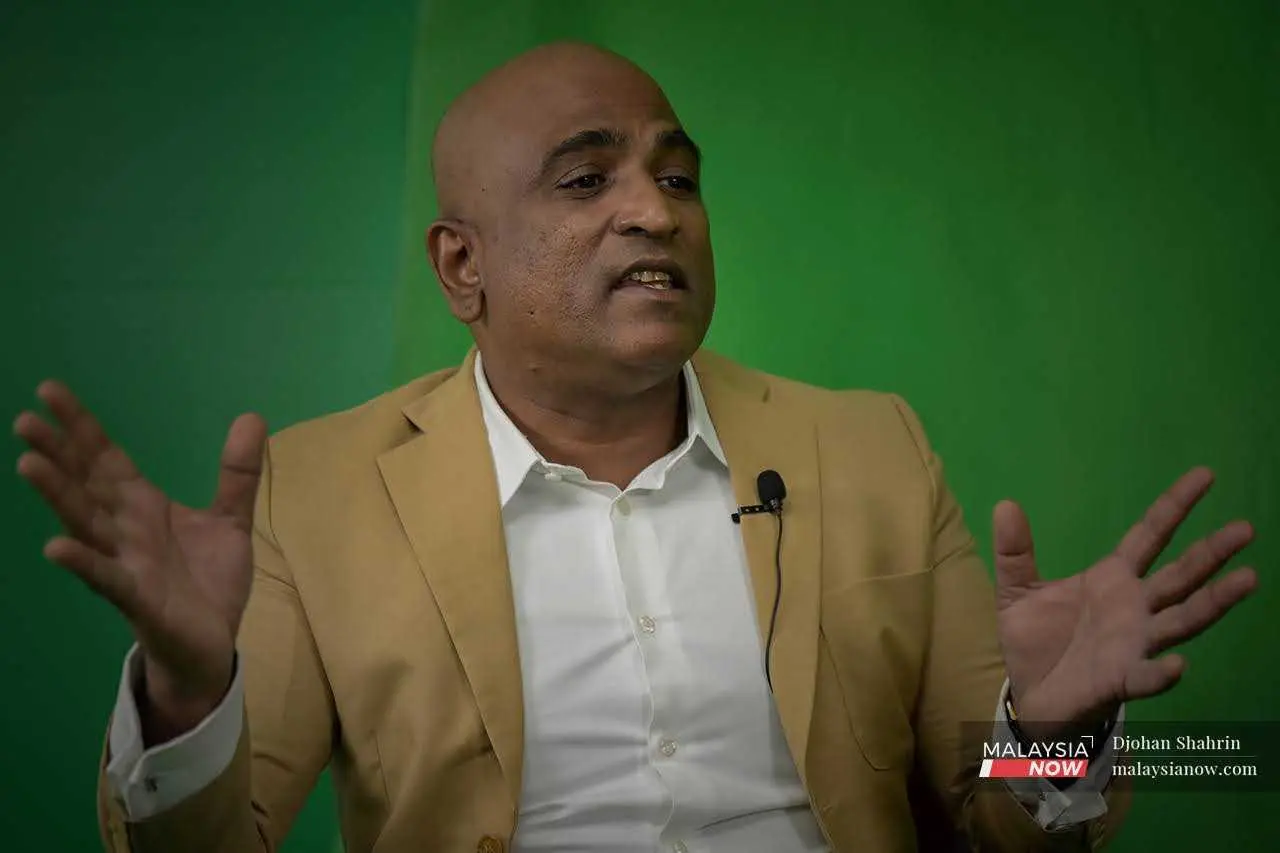
Eric Paulsen is former Malaysian representative to the Asean Intergovernmental Commission on Human Rights (AICHR), and adviser to Lawyers for Liberty.
See more of our coverage in your search results.
Subscribe to our newsletter
To be updated with all the latest news and analyses daily.