In country’s first, a govt agency wins court order to gag a citizen from venting out at politicians
Albert Tei is internet regulator MCMC’s latest target as it unleashes an unprecedented move to crack down on online dissent.
Just In
It is usual for public figures and politicians, in their personal capacity using their own lawyers, to apply for injunctions against their critics or the media.
But that norm appears to have been recently broken by the Malaysian Communications and Multimedia Commission (MCMC), the government’s internet regulator, which has been actively used by Prime Minister Anwar Ibrahim’s government to come down hard on online dissent, including blocking political websites and social media posts.
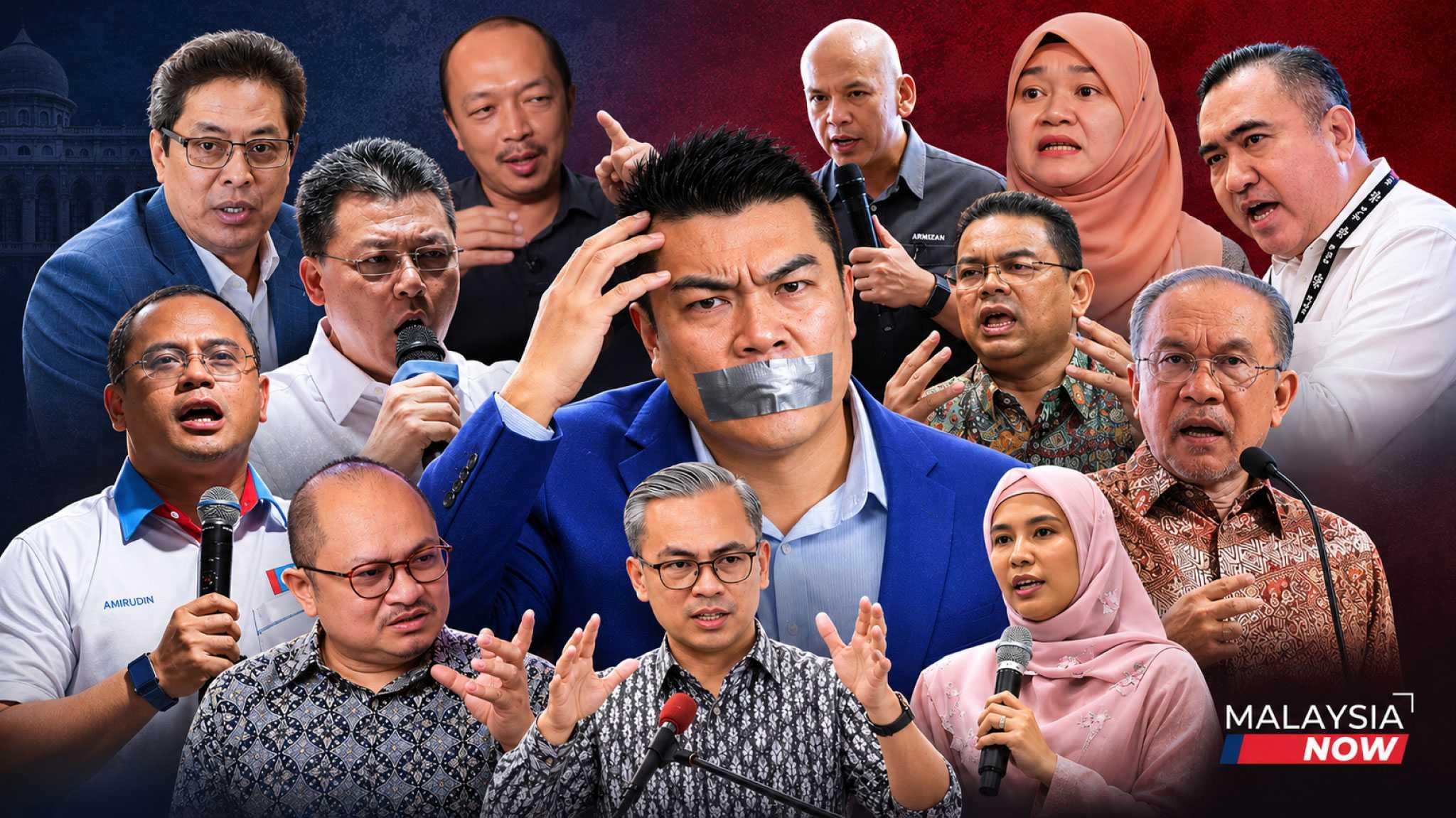
Last week, MCMC, through its lawyers, obtained a temporary injunction from the Shah Alam High Court to gag prominent businessman-turned-whistleblower Albert Tei from issuing comments which it said were “crude references and hateful speech” against a number of ruling politicians and individuals linked to them.
They include Fahmi Fadzil, the communications minister who oversees MCMC.
At the top of the list of people whom Tei now cannot criticise is Anwar and former Malaysian Anti-Corruption Commission chief Azam Baki, both targets of the businessman since his explosive revelation of the Sabah mining licence scandal two years ago.
After Anwar refused to assure Tei of whistleblower protection in order for him to divulge further details of the scandal, Tei went public with a series of revelations, including the explosive bribery scandal in the Prime Minister’s Office that led to the fall of Anwar’s political secretary Shamsul Iskandar Mohd Akin.
Others include ministers Nga Kor Ming, Armizan Ali, Fadhlina Sidek and Anthony Loke – the latter who has since resigned.
The list makes references to Tei's remarks made against those who are not part of the government, including Anwar’s eldest daughter Nurul Izzah, who is second to her father in the PKR party hierarchy.
Among the online content listed in the court’s order against Tei is a video posted in April which called out Nurul Izzah for her criticism of Perikatan Nasional’s motorcycle convoy event.
“He [Tei] accused Nurul Izzah of hypocrisy and contrasted the alleged fuel consumption of the convoy with PM Anwar’s use of government aircraft and helicopters for official travel. He said that if fuel conservation was genuinely the concern, PM Anwar should travel by car instead,” said the court order, citing one instance of Tei’s posts.
“He further stated that Anwar’s alleged wastage was greater than that arising from the motorcycle convoy and remarked that Nurul Izzah ought to be ‘lebih cerdik’.
“The overall context of the video was his attempt to portray Nurul Izzah’s criticism as selective and inconsistent, while linking her political messaging to what he characterised as similar ‘spin by her father’,” it added.
The order makes reference to more than a dozen postings on platforms such as YouTube, Facebook, TikTok, Instagram and Threads, in which Tei criticised a number of individuals including Anwar’s former aide-turned-multimillionaire businessman Farhash Wafa Salvador, government spokesman Lokman Adam, Selangor Menteri Besar Amirudin Shari and the head of government propaganda outfit J-Kom, Mohd Hisyamuddin Ghazali.
In more than 1,600 pages of court filings, MCMC said Tei in various posts had uttered "hate speech" which included visual, audio and words that were “insulting of or demeaning to the persons identified” in them, adding that he made “crude references which include words that are obscene, offensive, coarse or profane” as well as “incessant scurrilous attacks including name calling”.
Among the examples listed by MCMC are Tei’s many references and insinuations to Anwar’s past sodomy convictions, as well as his verbal attacks against Fahmi who avoided a meeting with Tei when he went to the communications ministry building in order to discuss why his social media accounts were blocked.
“The dissemination of hateful and hostile content poses a serious threat to social cohesion, fosters intolerance and division and risks entrenching hatred and hostility as accepted features of public discourse,” said MCMC.
Tei’s lawyer Rajesh Nagarajan said his client will comply with the order, adding that it does not mean acceptance of the legal basis of the injunction.
The court will hear on Dec 7 an application to set it aside.
“The order is not a finding in MCMC’s favour and should not be presented as one,” said Rajesh.
He said MCMC’s move to restrain Tei raises questions about its role as a statutory regulator, which “carries a heightened duty of restraint and accountability”.
“A regulator cannot ask for public confidence while pursuing court orders against public discussion. Such action also risks deterring others from speaking or raising legitimate concerns. MCMC should have weighed that cost before choosing this course,” he added.
Speaking to MalaysiaNow, Rajesh said the court order itself appeared to be worded “very widely”.
“In effect, Albert can’t talk about anything until Dec 7,” he said. “It’s a massive abuse of process by MCMC.”
See more of our coverage in your search results.
Subscribe to our newsletter
To be updated with all the latest news and analyses daily.