Silence, awkward 'Turkiye moment' mark Anwar government's response to ICJ ruling on Rohingya genocide
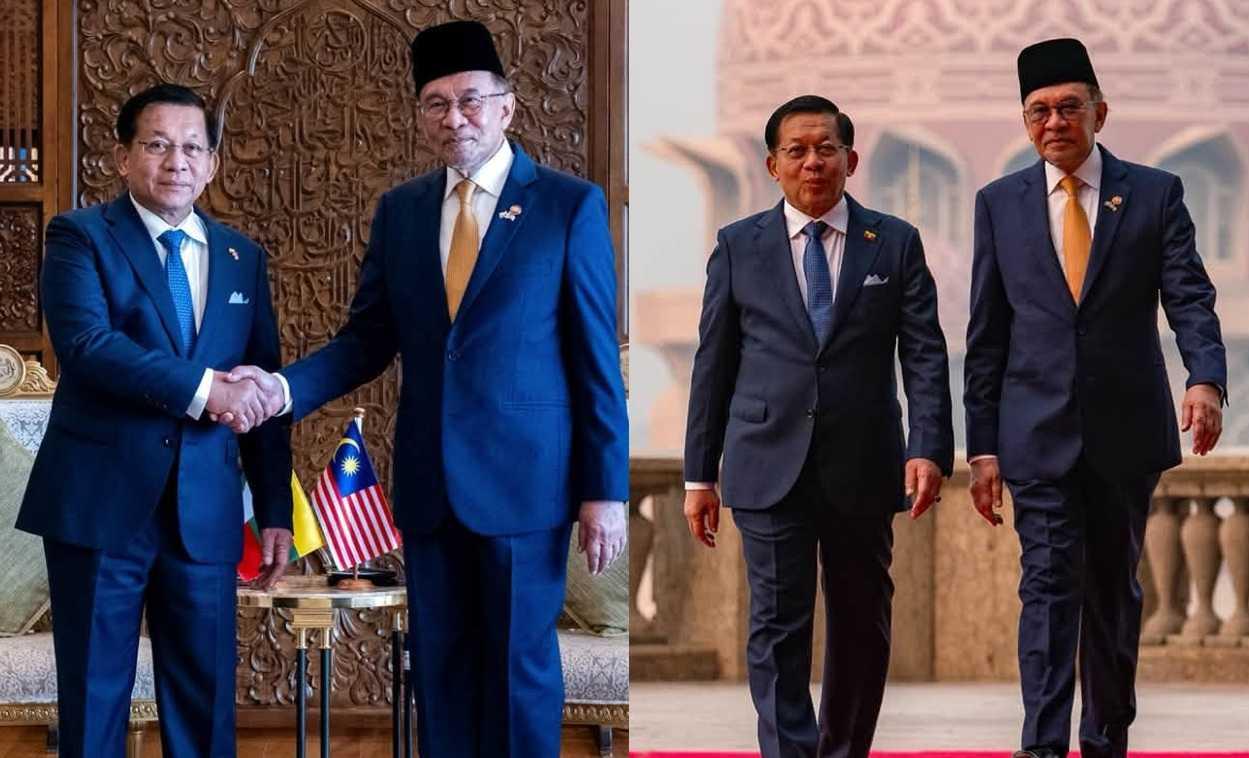
Prime Minister Anwar Ibrahim has feted the man named by the ICJ as the military commander responsible for creating a situation conducive to genocide.
Just In
The Malaysian government under Prime Minister Anwar Ibrahim has not issued any official position on Thursday's historic ruling by the International Court of Justice (ICJ) against the Myanmar regime, even as countries around the world welcomed the decision with calls for action against the military junta to end decades of repression of Rohingya Muslims.
The silence is in stark contrast to the government's quick response to efforts to cite Israel for genocide two years ago, a stance that is likely to revive criticism of double standards when it comes to addressing a similar scale of genocide committed in its own backyard.
The Nov 19 ruling has been immediately welcomed by governments across the world, including Bangladesh which bears the brunt of the refugee crisis sparked by the Myanmar junta's continued attacks in Arakan, forcing millions of Rohingya Muslims to seek shelter in neighbouring countries.
The United Nations joined global blocs such as the European Union and the Organisation of Islamic Cooperation in renewing their condemnations of the Myanmar junta's repression of Rohingya Muslims, while the United Kingdom showed it meant business by ordering the expulsion of Myanmar's defence attaché following the ruling.
Even the United States, which under the current administration does not recognise the ICJ's mandate, issued a statement in support of the Rohingya.
"We express our support for the people of Burma and share the grave concerns over the continued abuses of human rights against Rohingya Muslims and members of other minority groups," said a US official as quoted by Al Jazeera.
But no statement of solidarity with the Rohingya, now globally recognised as victims of genocide, has come from the Malaysian government.
Amid the silence, an awkward diplomatic moment played out when Putrajaya suddenly announced the resettlement of 10,000 Rohingya refugees in Turkiye – some 8,000km away – through a skills training programme.
The statement, which was posted yesterday on the Facebook page of Deputy Prime Minister Ahmad Zahid Hamidi, was removed without explanation. The Turkish government has also not commented.
The incident fuelled speculation over whether the announcement was prematurely issued without consultation with Turkiye, or was simply fabricated to soothe a small but noisy xenophobic campaign against the presence of Rohingya Muslims in Malaysia.
Anwar's silence on the ICJ ruling reflects his U-turn on Malaysia's decades-old policy of standing in solidarity with Rohingya Muslims who faced systematic discrimination and violence from the junta in Myanmar.
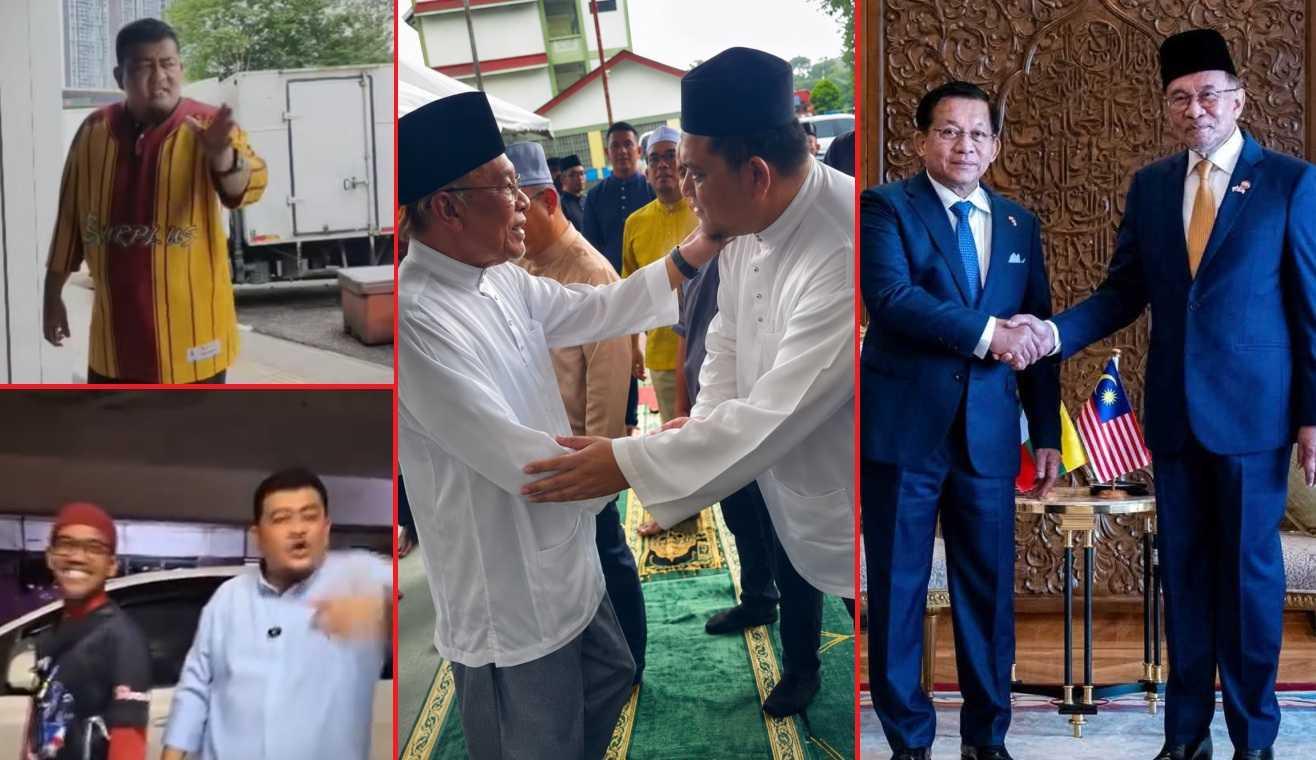
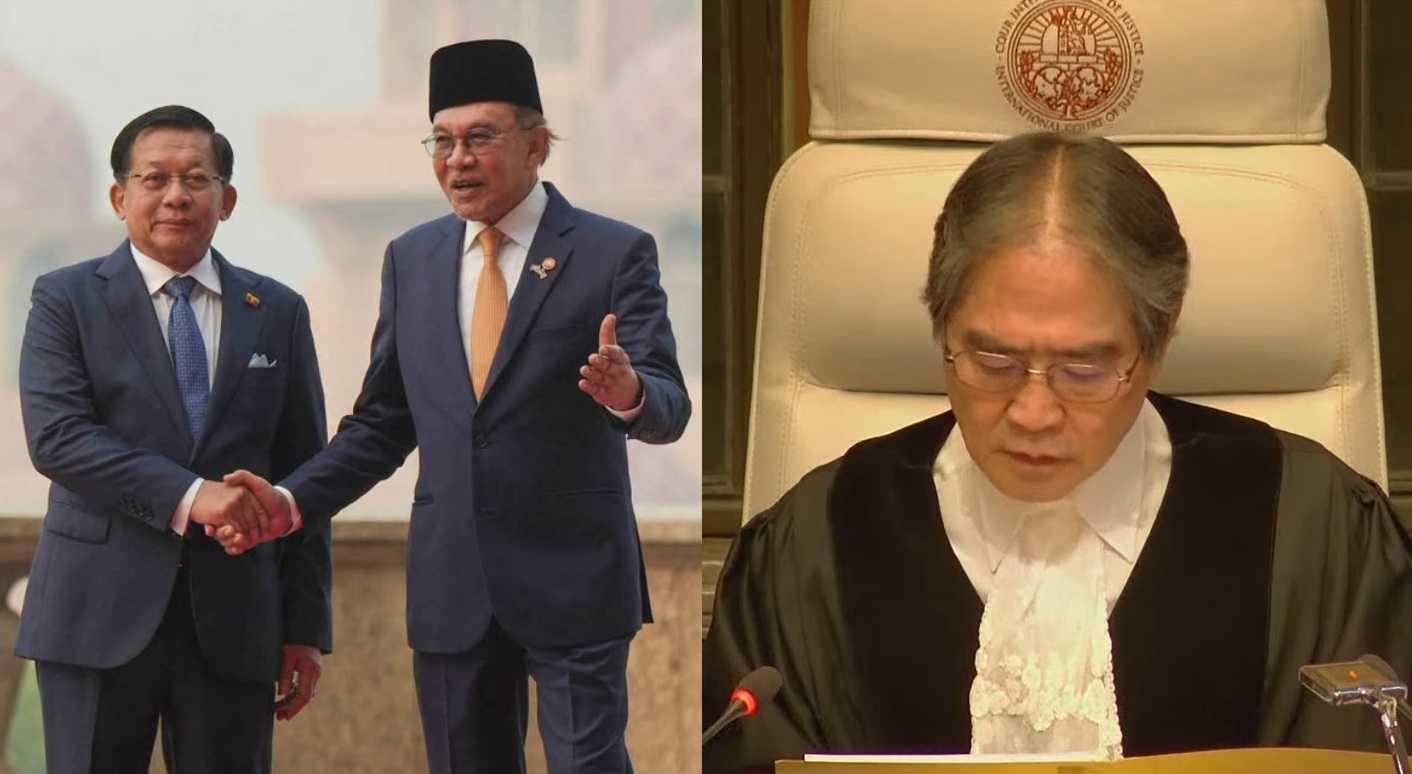
Last month, dismissing concerns from rights groups, Anwar rolled out a red-carpet welcome for Myanmar leader Min Aung Hlaing, the same individual whom the ICJ named as the senior general during the 2016-17 military campaign responsible for disseminating hate speech against the Rohingya.
"The court recalls that the hate speech organised and disseminated by the Myanmar military in the lead-up to and during the clearance operations portrayed the Rohingya both as subhuman and as a violent threat, thus contributing to a climate conducive to targeting a group for destruction," said the ICJ judgement.
A similar anti-Rohingya hate campaign orchestrated in Malaysia has been largely tolerated by Anwar's government.
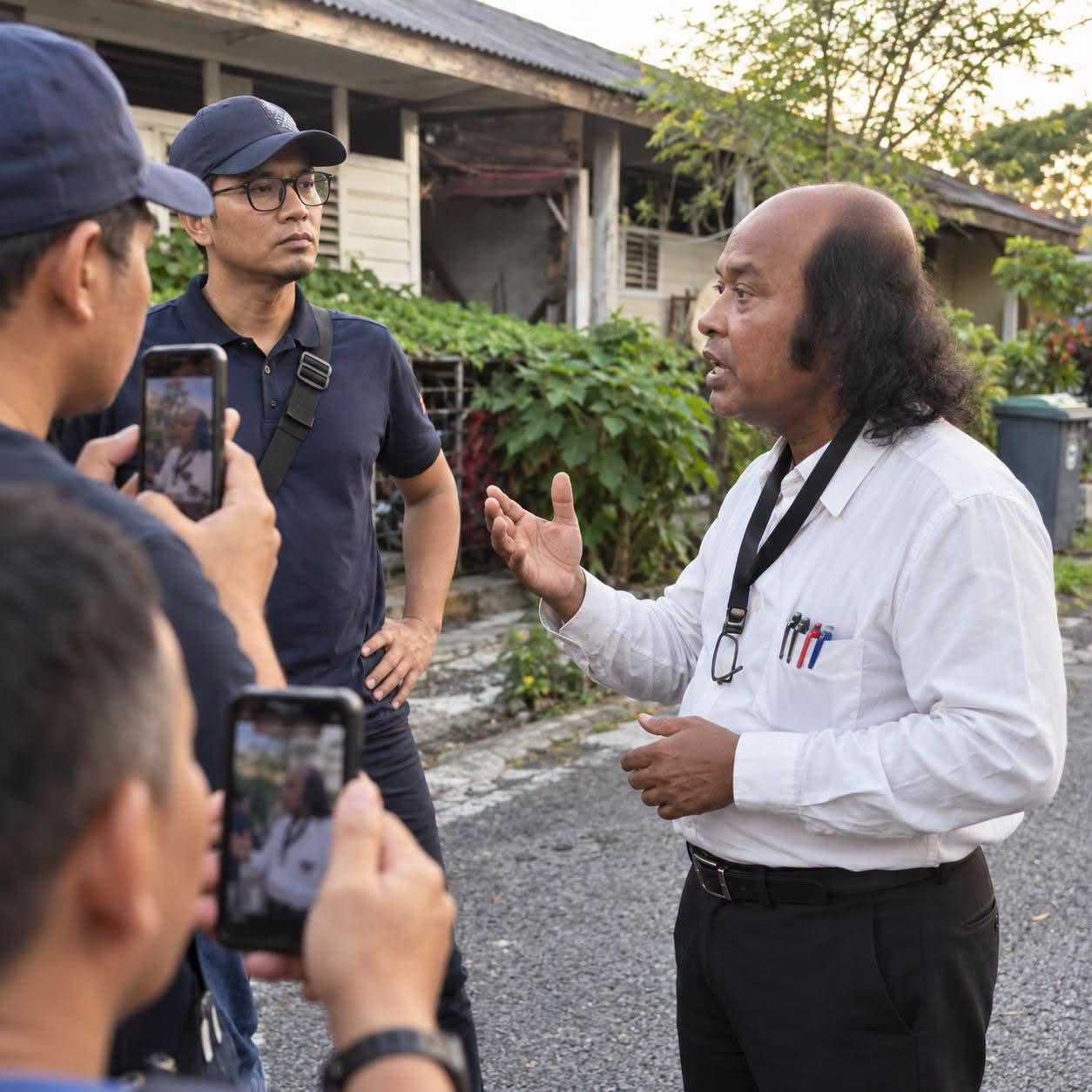
In recent months, there has been a growing climate of hostility towards Rohingya refugees in Malaysia, in the form of a social media campaign filled with hate speech, vigilante groups prowling cities and towns to harass refugees, and calls for their expulsion back into the hands of the Myanmar junta.
Anwar and a small number of politicians appeared to agree with the narrative of Rohingya refugees as troublemakers.
In September, Anwar repeated a familiar claim from the xenophobic campaign that the Rohingya have “invaded villages, broken laws, held illegal gatherings and questioned the position of Malaysians”, none of which is supported by evidence.
This was followed by his sudden reversal of Malaysia's decades-old policy of protecting Muslim refugees, and a repatriation programme that has sparked condemnation from rights groups.
Anwar's friendly gestures to the junta, however, found no support in Asean, the 10-member regional bloc that he chaired last year. Just a day before the ICJ ruling, the Asean Summit in Manila agreed to extend a ban on Myanmar leaders attending the bloc's meetings, citing the regime's failure to implement the Five-Point Consensus (5PC) peace plan aimed at ending the violence in Myanmar and channelling humanitarian assistance.
See more of our coverage in your search results.
Subscribe to our newsletter
To be updated with all the latest news and analyses daily.