Myanmar guilty of genocide against Rohingya, rules World Court amid hate campaign, friendly gestures to junta
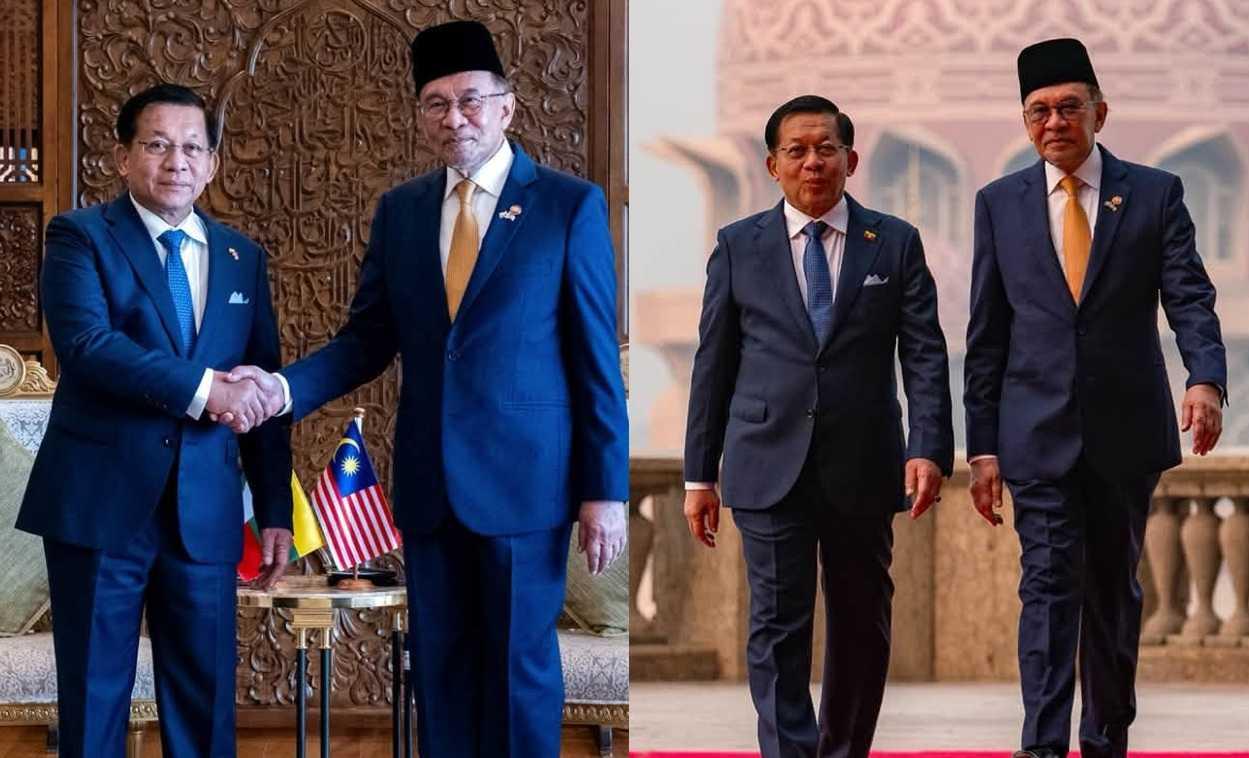
It comes just over a month after Prime Minister Anwar Ibrahim rolled out the red carpet for the junta leader despite recent atrocities against civilians.
Just In
The International Court of Justice (ICJ) today delivered a historic ruling that Myanmar is guilty of genocide against the Rohingya, a damning verdict on the military’s persecution of the Muslim minority at a time when Rohingya refugees are increasingly facing hate and hostility in Malaysia, and just over a month after Prime Minister Anwar Ibrahim embraced the junta’s leader with a pledge to restore its Asean membership.
In a lengthy judgment read out at The Hague, ICJ president Judge Yuji Iwasawa of Japan said that the panel of 15 judges had decided, by nine votes to six, that Myanmar had committed genocide against the Rohingya in the Arakan (Rakhine) region during its 2016–2017 military crackdown, which triggered one of the worst refugee crises in modern history.
He said the Myanmar regime “killed thousands of Rohingya civilians, perpetrated acts of sexual violence, as well as extreme violence against children”.
“The court is fully convinced that Myanmar committed acts falling under the genocide convention with an intent to destroy a substantial part of the Rohingya population in Myanmar,” said Iwasawa.
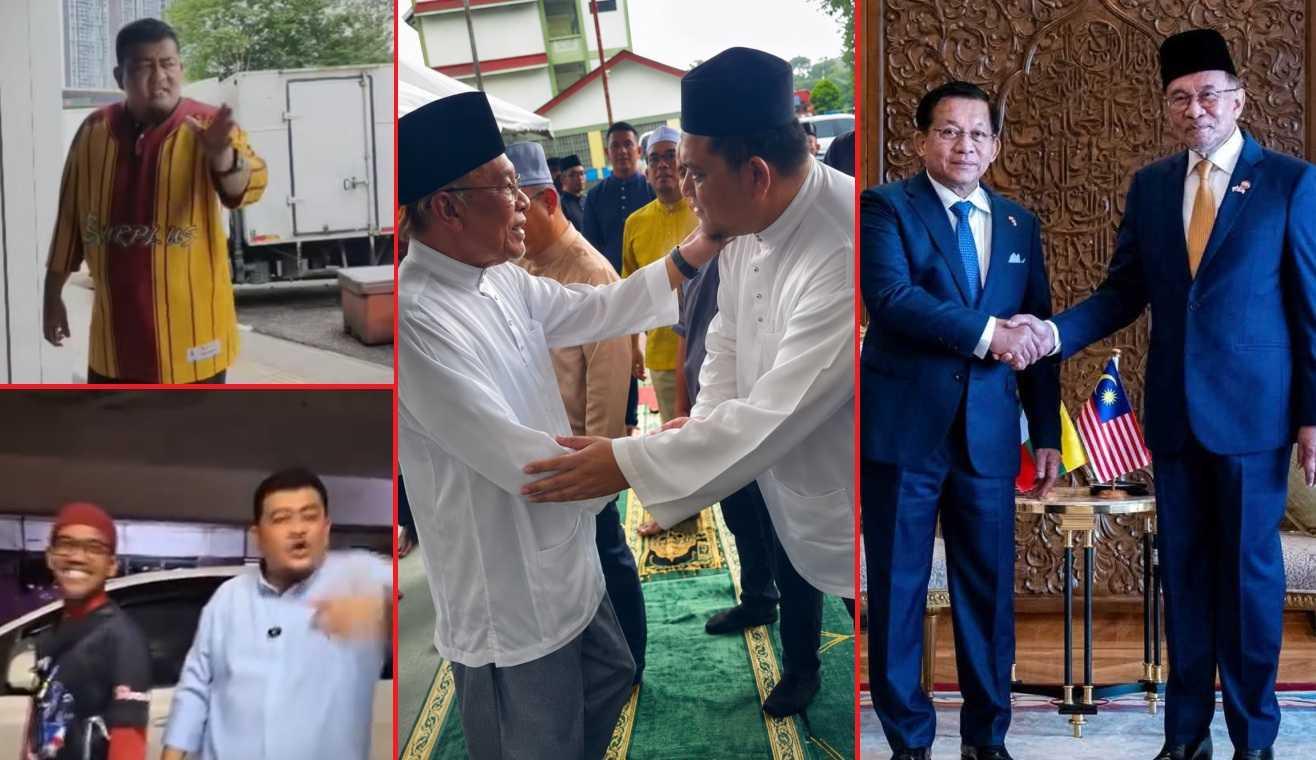
The ruling comes amid a growing climate of hostility towards Rohingya refugees in Malaysia, in the form of a social media campaign filled with hate speech, vigilante groups prowling cities and towns to harass refugees, and calls for their expulsion back into the hands of the Myanmar junta.
The ruling also puts a spotlight on Putrajaya’s sudden engagement with Myanmar leader Min Aung Hlaing, who was given a red carpet welcome in Kuala Lumpur last month, where Anwar pledged not only to work towards Myanmar’s reintegration into Asean but also to strengthen economic cooperation.
Anwar’s calls were, however, snubbed by Asean yesterday after it agreed to extend a ban on Myanmar leaders attending the bloc’s summit meetings, citing the regime’s failure to implement the Five-Point Consensus (5PC) peace plan.
In its ruling today, the ICJ said it was convinced Myanmar had committed acts falling under the Genocide Convention with the intent to destroy the Rohingya ethnic group.
The military’s 2016–17 campaign forced more than 700,000 people to flee to Bangladesh amid reports of mass killings, rape and the burning of villages. Some 200,000 Myanmar refugees, the vast majority of them Rohingya, have also fled to Malaysia.
For decades, Myanmar authorities and nationalist movements led by extremist Buddhist monks have systematically portrayed the Rohingya as foreigners who do not belong in the country. They have repeatedly been described as illegal Bengali immigrants despite longstanding evidence of their presence in Arakan, now known as Rakhine State.
Myanmar authorities helped create the perception that they were not a native community with legitimate rights, but an alien population whose presence posed a threat to the country.
Today’s ruling is the first in which the ICJ has found a state responsible for genocide, and carries significant precedent for a separate case against Israel over its Gaza campaign, which has killed more than 100,000 civilians since October 2023.
The decision could intensify pressure on Myanmar over its treatment of the Rohingya, dealing a blow to recent efforts by some countries to embrace the regime.
Hate campaign
Much of the content in the anti-Rohingya campaign has been spread by bots and fake social media accounts using hundreds of AI-generated videos to turn public hostility against refugee and migrant communities, similar to the campaign in Aceh in 2023, when an online hate drive spurred locals to demand the expulsion of Rohingya refugees just months before the Indonesian presidential election.

Anwar and a small number of politicians appeared to agree with the narrative of Rohingya refugees as troublemakers.
Even as the ICJ convened to deliver its ruling, a Bersatu MP doubled down on his anti-Rohingya stance, urging the government to stand firm on sending refugees back to their countries of origin.
Radzi Jidin even justified acts of vigilantism as the result of inaction from the authorities, and repeated a familiar TikTok narrative telling countries that oppose sending back Rohingya refugees to host them. "If you don’t want us to send them back, then take them," said Radzi, who not long ago called for a nationwide deployment of soldiers to arrest undocumented migrants.
In September, Anwar repeated a familiar claim from the xenophobic campaign that the Rohingya have “invaded villages, broken laws, held illegal gatherings and questioned the position of Malaysians”.
This was followed by his sudden reversal of Malaysia’s decades-old policy of protecting the Muslim refugees, alongside an announcement of a repatriation programme that has sparked condemnation from rights groups.
See more of our coverage in your search results.
Subscribe to our newsletter
To be updated with all the latest news and analyses daily.