'History will remember' – Amnesty slams Anwar’s defence of friendly ties with Myanmar junta despite genocide ruling
The global rights group says Malaysia cannot claim to support accountability for the atrocities while sending victims back to the hands of the perpetrators.
Just In
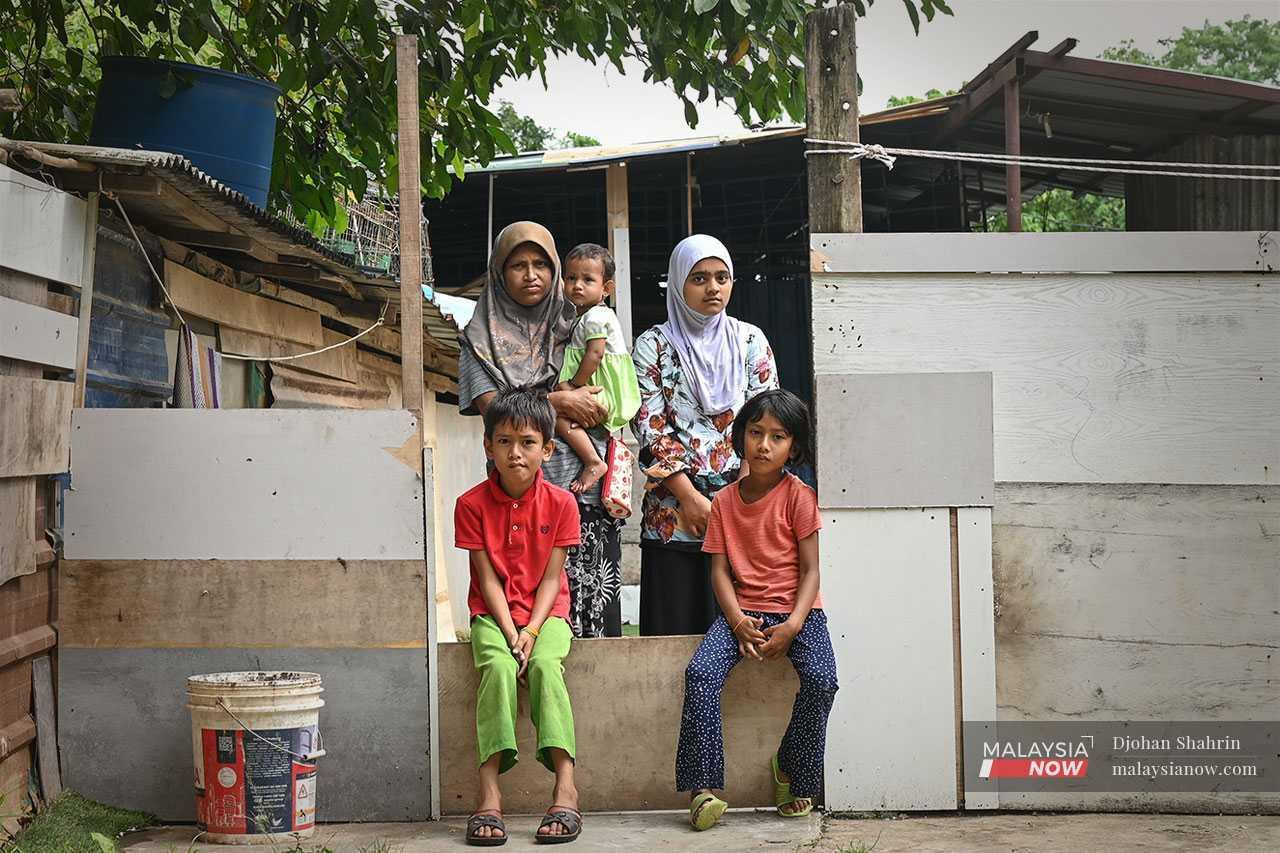
Amnesty International has warned Prime Minister Anwar Ibrahim that history will remember whether his administration stood with the persecuted Rohingya Muslims or sent them back to the hands of the same regime which perpetrated genocide against them, as ruled by the International Court of Justice recently.
"This should have been a moment for Malaysia to stand firmly on the side of international justice and accountability. Instead, the government appears determined to ignore international crimes that place refugees at risk," the global rights group’s Malaysian chapter said in a statement, as Anwar doubled down on going ahead with a joint exercise with the Myanmar junta to return thousands of asylum seekers who fled military persecution.
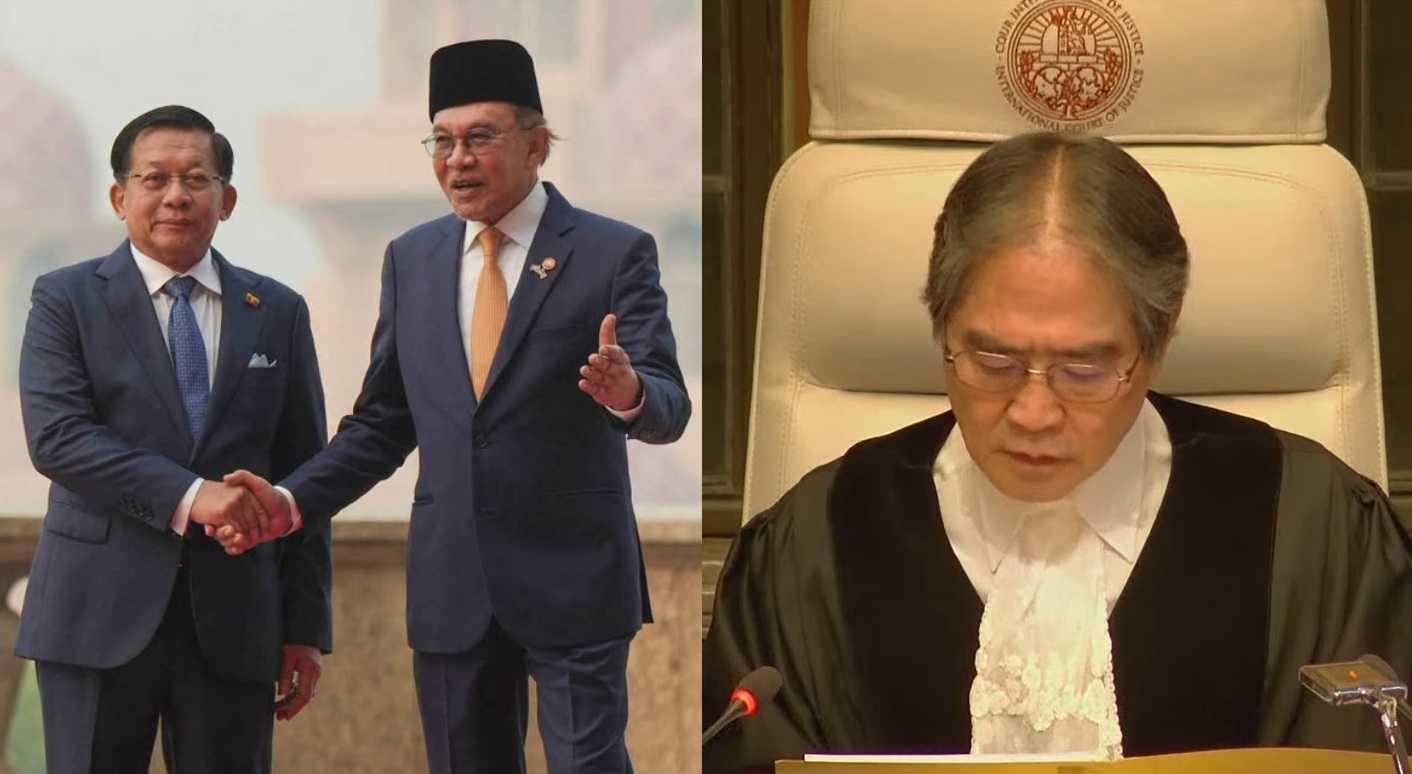
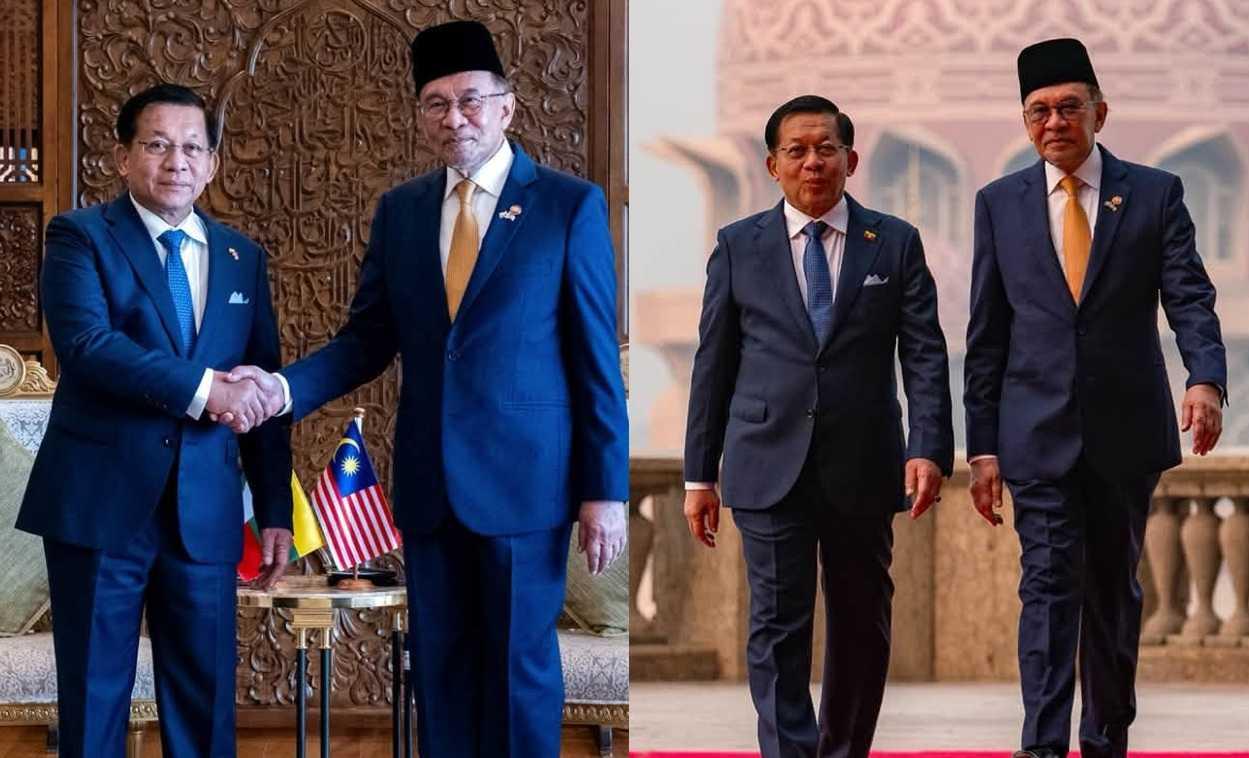
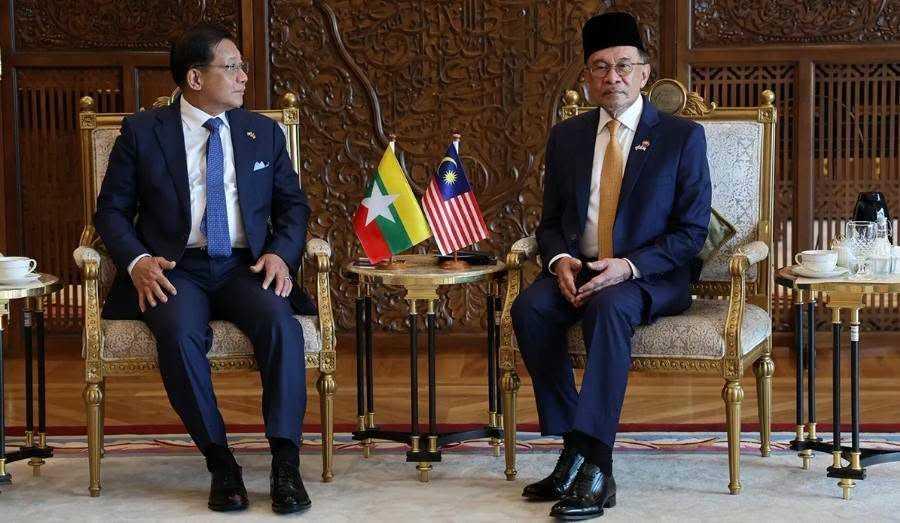
Yesterday in the Dewan Rakyat, Anwar also defended his action last month in reversing Malaysia’s decades-old policy of standing in solidarity with Rohingya Muslims, when he rolled out a red-carpet welcome for Myanmar leader Min Aung Hlaing, the same individual whom the ICJ singled out as the senior general responsible for disseminating hate speech that encouraged the genocide in Arakan state.
Browse: Anwar says no regrets welcoming genocidal Myanmar leader
Amnesty said the stance was troubling, coming just days after the ICJ delivered its historic judgment which found Myanmar responsible for committing genocide against the Rohingya between 2016 and 2017, the first time the World Court has found a state responsible for such a crime.
It reminded Malaysia that it is party to the 1948 Genocide Convention, adding that it cannot claim to support accountability for the atrocities while at the same time sending victims back to the hands of the perpetrators.
“The Rohingya fled mass atrocities, persecution and violence. The world’s highest court has now confirmed what survivors have been saying for years. Against that backdrop, accelerating returns is not only deeply irresponsible, it is profoundly inhumane,” said Amnesty International Malaysia’s executive director Joshua Ericsson.
“History will remember what Malaysia did after the genocide ruling. It will remember whether we stood with survivors and demanded accountability, or whether we rushed to send people back before accountability was delivered and where further crimes may be committed against them.”
Despite the ICJ ruling being immediately welcomed by countries around the world with calls for action against the junta leaders, it took Anwar’s government three days to state its position, with a short statement from the foreign ministry.
The response reflects Anwar’s move to have friendly engagement with the Myanmar regime, including multiple economic agreements with the military junta, as well as his pledge to support its return to the fold of Asean.
Anwar’s friendly gestures to the junta, however, found no support in Asean, the 10-member regional bloc that he chaired last year. Just a day before the ICJ ruling, the Asean Summit in Manila agreed to extend a ban on Myanmar leaders attending the bloc’s meetings, citing the regime’s failure to implement the Five-Point Consensus (5PC) peace plan aimed at ending the violence in Myanmar and channelling humanitarian assistance.
Anwar’s government has previously announced plans to return 10,000 Myanmar nationals “vetted” by the junta, with 1,476 already deported in the first phase, and close to 8,000 more in December.
The ICJ ruling comes amid growing hostility towards Rohingya refugees in Malaysia, where an escalating xenophobic campaign has increasingly moved from social media into real-world harassment and violence.
MalaysiaNow has extensively reported on how the campaign is being fuelled by fake accounts, bots and hundreds of AI-generated videos spreading misinformation and anti-Rohingya messages.
The online campaign has also been accompanied by acts of intimidation against refugees.
On Oct 13, a Rohingya settlement in Johor was targeted in a molotov cocktail attack, prompting the National Human Rights Society (Hakam) to warn of the danger of individuals taking the law into their own hands after months of xenophobic rhetoric.
While the xenophobia has been opposed by a number of activists and several prominent Muslim preachers, the government’s internet regulator, the Malaysian Communications and Multimedia Commission (MCMC), which frequently takes down social media postings and blocks websites critical of ruling politicians, has not taken any action against the online hate campaign.
See more of our coverage in your search results.
Subscribe to our newsletter
To be updated with all the latest news and analyses daily.