
World's biggest doctors' group warns Malaysia against plan to repatriate Myanmar, Rohingya refugees
Doctors Without Borders says its volunteers in Myanmar continue to witness extreme violence, aerial bombardment and the mass killing of civilians.
Just In
Global medical group Borders/Medecins Sans Frontieres (MSF), or Doctors Without Borders, has warned Prime Minister Anwar Ibrahim's government against a plan to return some 1,400 refugees whom the Myanmar junta has identified as its citizens, saying they are at risk of being sent back to "violent and dangerous conditions from which they fled".
"There is an urgent need for transparency and clarity around the 1,476 refugees who are at risk of being forcibly returned to violent and dangerous conditions from which they fled," it said in a statement.
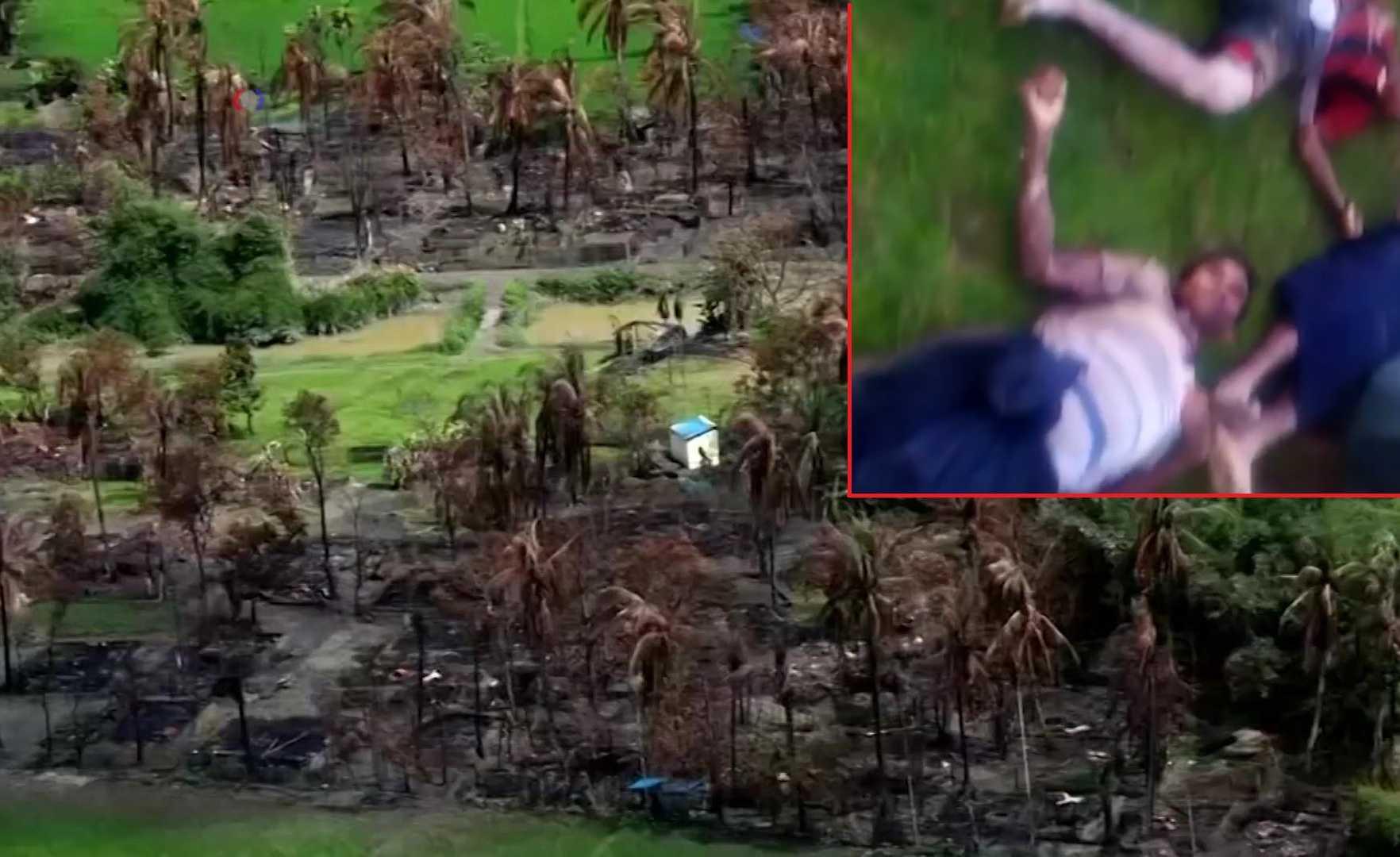
This comes as Anwar's administration appears to have endorsed the narrative of an online xenophobic campaign against Rohingya refugees and other migrant communities in Malaysia, while reversing a policy of not recognising the junta in Myanmar, which for decades has launched a brutal campaign to expel its Rohingya Muslim citizens from the Arakan region, leaving tens of thousands dead and millions scattered to nearby countries after their villages were destroyed.
Last month, Anwar claimed that Myanmar had agreed to take back 5,000 Rohingya refugees, offering few details about the plan, which rights groups warned would mean sending them to be persecuted at the hands of the Myanmar regime.
The government had previously stated that the plan would not proceed if refugees' lives were threatened.
But MSF said recent announcements from the government "indicate this may no longer be the case, which raises grave human rights concerns".
MSF said that while Malaysia is not part of the 1951 Refugee Convention, it is bound by the principle of non-refoulement under international law, which prohibits a government from forcibly returning anyone to a country where they would face persecution.
It said refugees who fled Myanmar were civilians who continue to "face extreme violence, including relentless aerial bombardment, mass killings, imprisonment, forced recruitment, and deprivation of essential supplies such as food and medicines".
Putrajaya said a total of 1,476 refugees "identified" by the Myanmar regime would be repatriated on Sept 29, under the first phase of what is claimed as a "voluntary repatriation programme" by the home ministry, implemented by the Malaysian government.
"The programme will be carried out safely and responsibly, in accordance with procedures mutually agreed upon with the Myanmar government," the home ministry said on Aug 27.
MSF said the government must disclose the nationality and age of those being repatriated, adding that it must also state the protection risks of those identified for return.
"Refugees and asylum-seekers who face persecution or other serious harm must not be returned," it added.
The organisation added that it has been present in Myanmar's conflict-ravaged regions of Rakhine, Kachin, northern Shan and Yangon.
"Our teams directly witness how healthcare, food supplies, education, and livelihoods for communities across many parts of Myanmar continue to be severely disrupted by conflict and insecurity," said MSF.
"Refugees do not leave their home by choice – they are fleeing persecution and should not be treated as criminal or convenient targets for political gain.
"MSF calls on Malaysia to halt all returns of refugees to the dangerous and violent conditions they fled and to ensure that any such process is wholly transparent and in accordance with international standards."
For months, there has been a spike in online hate targeting Rohingya refugees in Malaysia, largely driven by misinformation and xenophobic rhetoric.
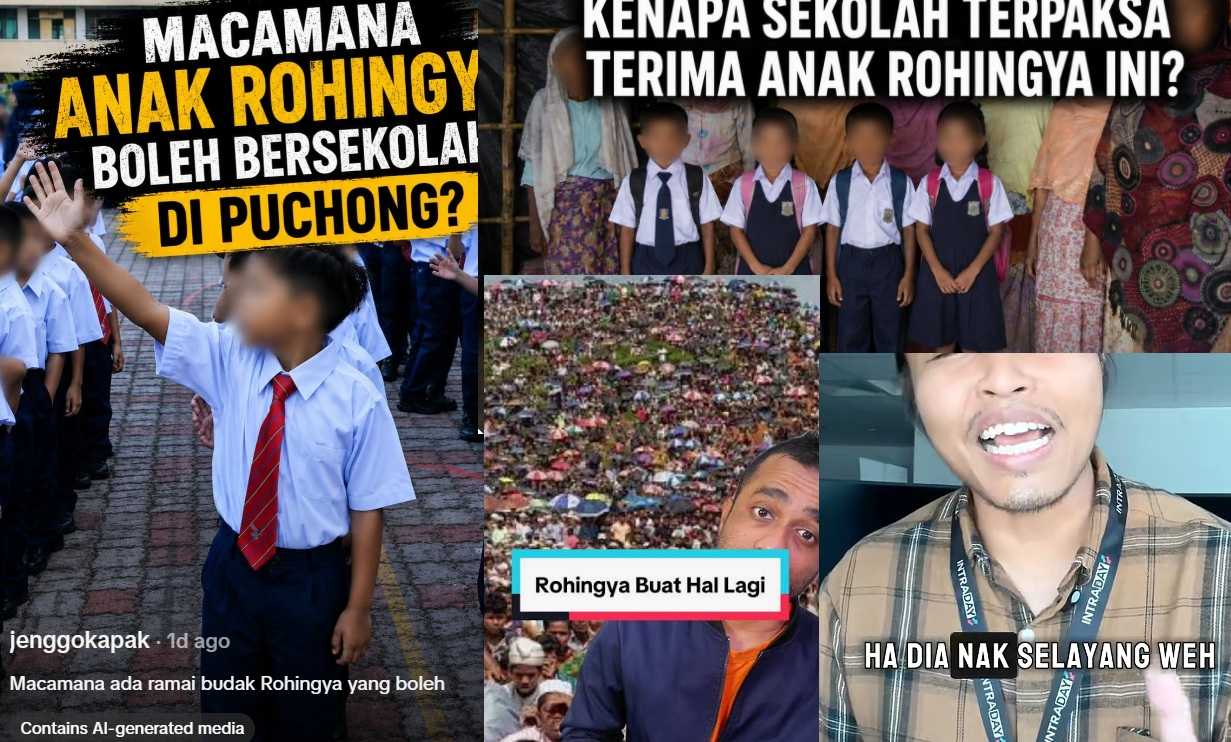
Checks showed that much of the content was spread by bots and fake social media accounts using hundreds of AI-generated videos to turn public hostility against refugee and migrant communities, similar to the campaign in Aceh in 2023, when an online hate drive spurred locals to demand the expulsion of Rohingya refugees, just months before the Indonesian presidential election.
For decades, Myanmar authorities and nationalist movements led by extremist Buddhist monks have systematically portrayed the Rohingya as foreigners who do not belong in the country. They were repeatedly described as illegal Bengali immigrants despite longstanding evidence of their presence in Arakan, now known as Rakhine State.
Myanmar authorities helped create the perception that they were not a native community with legitimate rights, but an alien population whose presence posed a threat to the country.
Among those spreading such claims is Ashin Wirathu, the most prominent extremist and ultra-nationalist Buddhist monk in Myanmar, known for his inflammatory anti-Muslim rhetoric.
In 2016, when the Myanmar junta launched a brutal operation that included extrajudicial killings, sexual violence and the burning of Rohingya villages, Wirathu celebrated Donald Trump’s election victory, saying they both "are protecting against the dangers of Islamisation".
In 2020, the United Nations High Commissioner for Refugees (UNHCR) estimated that there were 1.1 million refugees from Myanmar, made up not only of Rohingya Muslims but also other ethnic minorities facing persecution, making them the fourth-largest refugee population in the world.
See more of our coverage in your search results.
Subscribe to our newsletter
To be updated with all the latest news and analyses daily.
Related Articles
No articles found.