KWAP's RM163 million loss highlights red flags in due diligence, decision-making and 'FOMO' behaviour
Among other issues, questions linger over the involvement of global financiers with a history of poor investments, as well as over how KWAP understood the issues involving civil servants’ retirement savings.
Just In
The staggering loss of hundreds of millions of ringgit by the government's Kumpulan Wang Persaraan (KWAP) to an Indonesian start-up company convicted of fraud spanning several countries has raised questions over the fund's investment strategy, more than a decade after it was embroiled in the 1MDB scandal over a hefty loan to SRC International.
But unlike the RM4 billion which was fully repaid on the back of a federal government guarantee, KWAP's RM163.4 million investment three years ago in Indonesian aquaculture start-up eFishery may never be recovered.
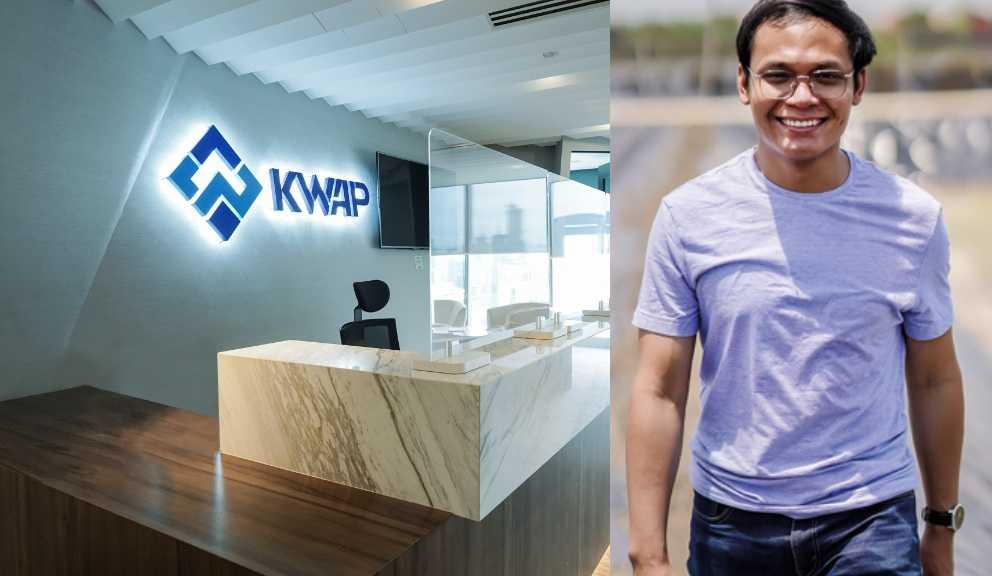
On April 29, Indonesia sentenced eFishery founder Gibran Huzaifah to nine years' imprisonment after convicting him of embezzlement and money laundering totalling US$300 million (RM1.23 billion).
Among the major investors were US-based venture capital firm 500 Global, Japan's SoftBank Vision Fund, Singapore's Temasek, Peak XV Partners, 42XFund and scores of others, amounting in total to US$300 million.
Some of these companies, such as SoftBank, have a history of bad and failed investments.
Prime Minister Anwar Ibrahim, whose finance ministry directly supervises KWAP, was quick to deny any wrongdoing, saying that due diligence and feasibility studies were carried out by the fund's investment panel before approval by its board.
"Although the amount invested was large, it was smaller than the investments made by renowned international companies. They were all deceived; this was a sophisticated fraud," he said.
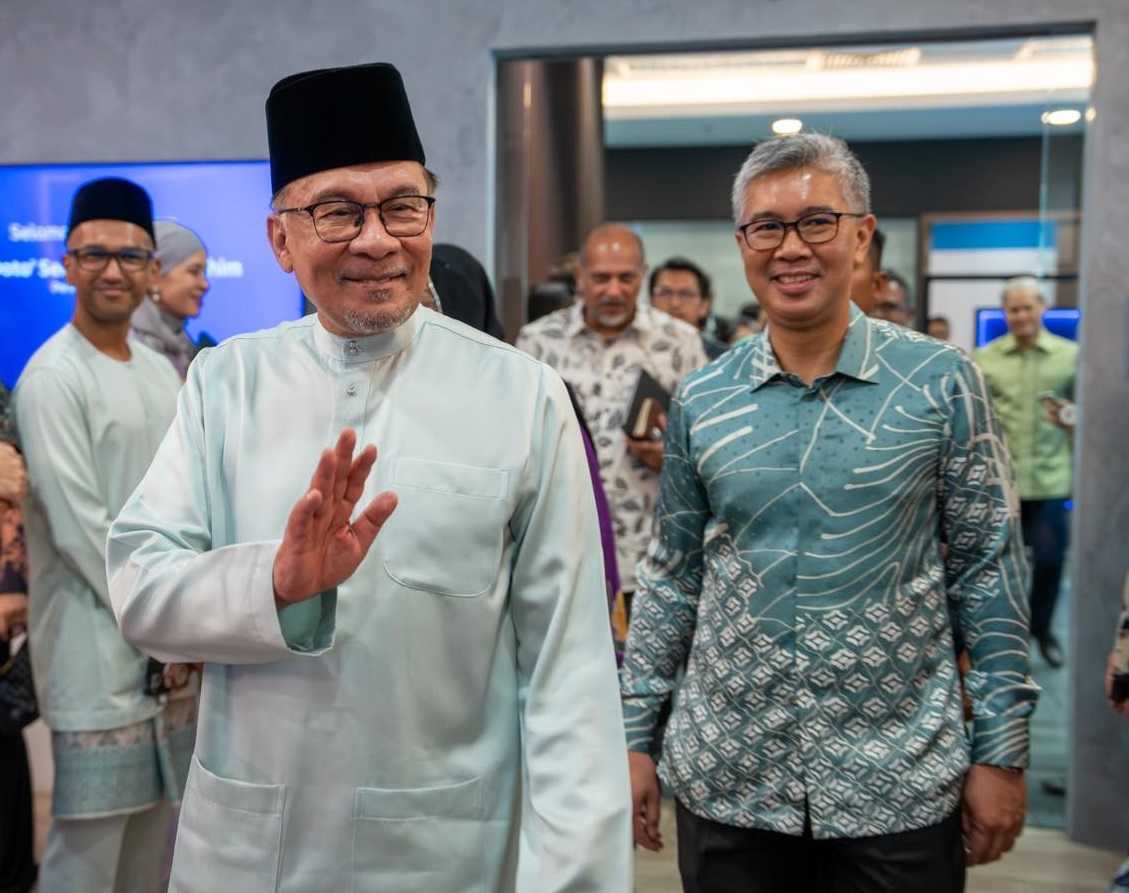
Besides Anwar, former investment, trade and industry minister Tengku Zafrul Aziz is among the few voices in the government who have attempted to play down the impact of the investment on KWAP, pointing out its "prohibitive" 2.51% stake in eFishery.
"As such, the eFishery case does not have a significant impact on KWAP's financial position or its ability to continue helping the government bear pension costs," said Zafrul.
He argued that the amount represented less than 0.1% of KWAP's RM195 billion fund in 2025, and less than 1% of the fund's approximately RM18 billion income from investments recorded in its latest financial year.
That argument has only emboldened critics, who ask whether such a justification applies to a fund that is essentially money belonging to millions of government servants and entrusted to protect their welfare amid a crisis of post-retirement savings that has afflicted elderly Malaysians for decades.
A senior source in Malaysia's capital market said the losses suffered by KWAP raise questions over whether there is any truth in the prime minister's claim that due diligence was indeed carried out.
Speaking to MalaysiaNow under strict conditions of anonymity, the source, who led a major regulatory agency, also pointed to a possible conflict of interest involving KWAP's investment committee.
"When a major fund to protect people's old-age savings invests in a start-up in a foreign land, it definitely raises flags even before the due diligence process," it said.
The source added that Zafrul's argument that the stake in eFishery is prohibitive, or his contention that the losses are not significant when compared to KWAP's profits, shows a disregard for the nature of the funds.
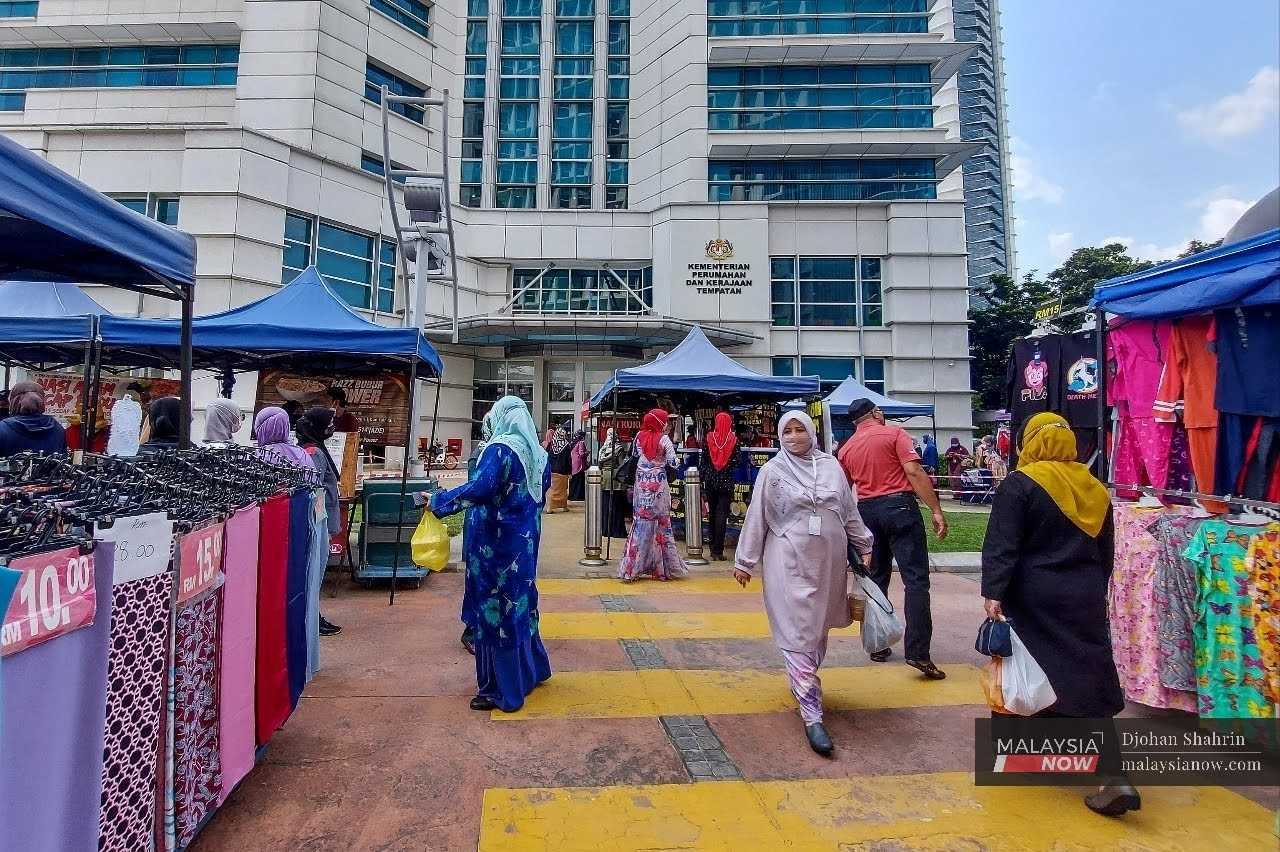
"Take, for example, those who would receive a baseline average monthly pension of RM1,000. The RM163 million could cover 163,000 individual monthly payments."
Checks revealed that at the time of the investment in eFishery in July 2023, KWAP's investment committee was chaired by Mohamad Nasir Ab Latif.
Nasir at that time was also an independent non-executive director of Yinson Holdings, the public-listed energy conglomerate controlled by tycoon Lim Han Weng and his family.
He has since moved out of KWAP to head the investment panel of another major government fund under the finance ministry, the Employees Provident Fund (EPF).
Together, both KWAP and EPF hold a 24% stake in Yinson Holdings, the largest after Lim's family, who control about 27.7%.
The same source questioned why KWAP decided to go in with such a large amount.
"So when some of the big-name funds invested, KWAP wanted to make sure they didn't miss out," the source added.
It further said that 500 Global, among those invested in eFishery, also has money from EPF and KWAP.
"So that's a double whammy!"
It said there is a much simpler explanation.
"They went in based on FOMO," the source told MalaysiaNow, using a slang term that stands for "fear of missing out".
"After the SRC blunder, they should have stronger investment committee guidelines," the source said, adding that a quick look at KWAP's other shareholdings would reveal "the absence of proper guardrails".
Responding to its losses, KWAP said it had strengthened its approach to private market investing.
"The measures include greater portfolio diversification, investing alongside experienced fund managers and strategic partners, enhanced post-investment monitoring, and closer oversight of material developments involving portfolio companies.
"The fund remains supported by a diversified portfolio across asset classes, sectors and geographies," it said.
The Malaysian Anti-Corruption Commission has since announced an investigation into KWAP's investment in eFishery.
Due diligence poser
The source described Anwar's explanation in Parliament – that KWAP's decision to invest was taken after an assessment based on "information available at the time", such as financial statements verified by internationally accredited auditors – as "baffling".
"Can KWAP's due diligence team clarify whether there were financial statements filed during that time?" the source asked.
Bloomberg previously reported that eFishery's Singapore holding company did not file annual financial statements for years, and that the 2020 report was not filed until 2024.
MalaysiaNow has contacted KWAP for a response.
Last month, Anwar conceded that the eFishery episode shows global audit firms’ approval is no guarantee that an investment is safe.
"Relying entirely on them, as we have seen, also carries risks."
But the source told MalaysiaNow that due diligence for an investment involving people's savings does not stop at financial standings.
"When the vast majority of a startup's stake is held by major international institutional funds and foreign venture capitalists, and not by domestic entities, it is bound to raise questions.
"And if they had cared to dig a little bit deeper, some of these global funds were duped before," it said.
The most high-profile case involves SoftBank Vision Fund, led by its gung-ho boss, Japanese billionaire Masayoshi Son.
Starting in 2017, it pumped US$16 billion into office-sharing firm WeWork, until the company filed for bankruptcy in late 2023.
In 2022, SoftBank invested in cryptocurrency exchange FTX, alongside other big names including Temasek, Lightspeed Venture Partners, Tiger Global and Insight Partners. That same year, FTX went bankrupt.
Other SoftBank misadventures include hundreds of millions of dollars in Zume, a robot-powered pizza delivery startup that collapsed; US$2 billion in hospitality startup OYO, which recorded huge losses during the Covid-19 pandemic; and Chinese ride-hailing firm DiDi.
"Did the due diligence not see the involvement of SoftBank and a character such as Masayoshi Son?" asked the source.
See more of our coverage in your search results.
Subscribe to our newsletter
To be updated with all the latest news and analyses daily.