Najib house arrest: Anwar cannot pass the buck to Agong over Pardons Board decision
Criticism of the house arrest for Najib Razak is a criticism of the government, and not of the king, who is bound to act upon advice.
Just In
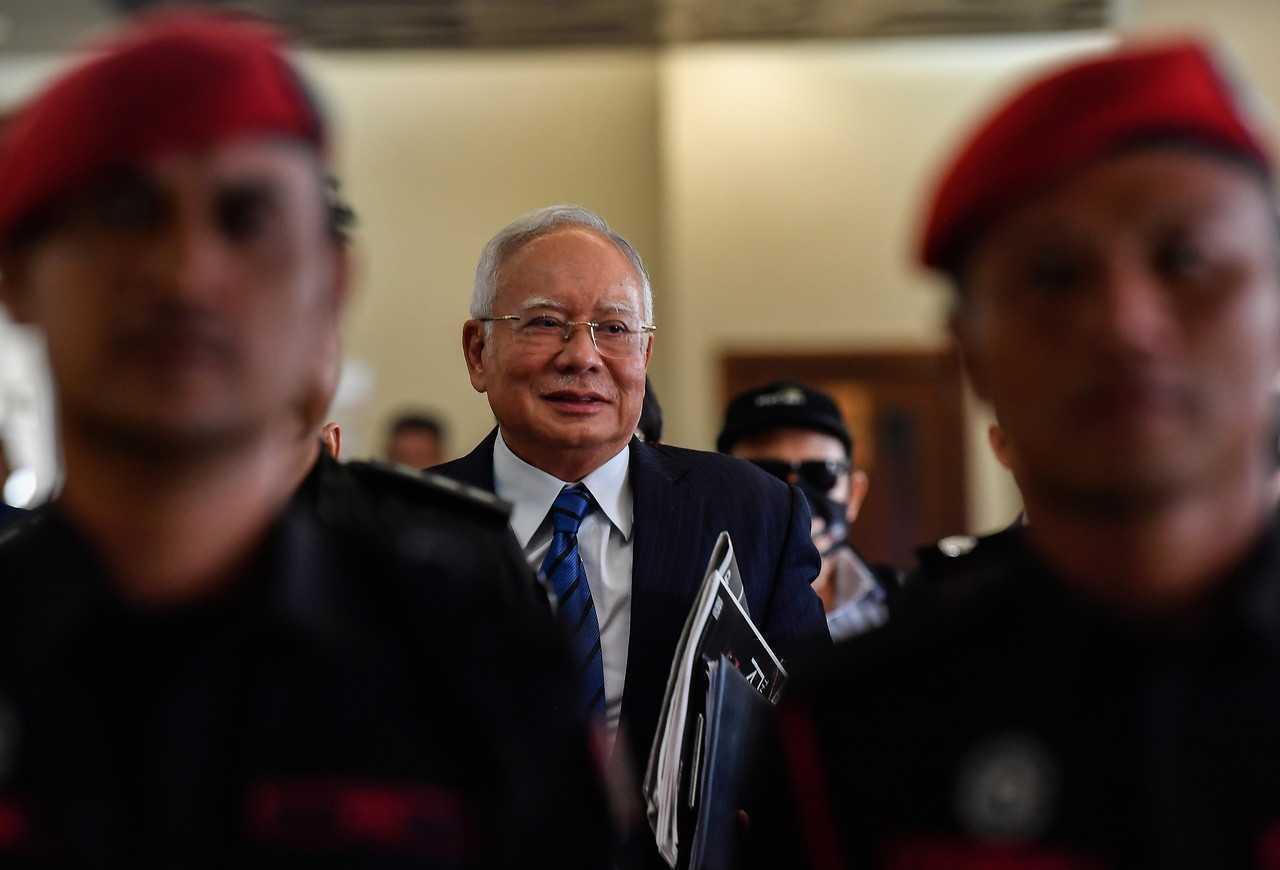
The announcement by the Prime Minister’s Department that Najib Razak has been granted a conditional pardon to serve his prison sentence under house arrest has stunned the nation, as the 1MDB corruption case caused massive financial and reputational loss to the country.
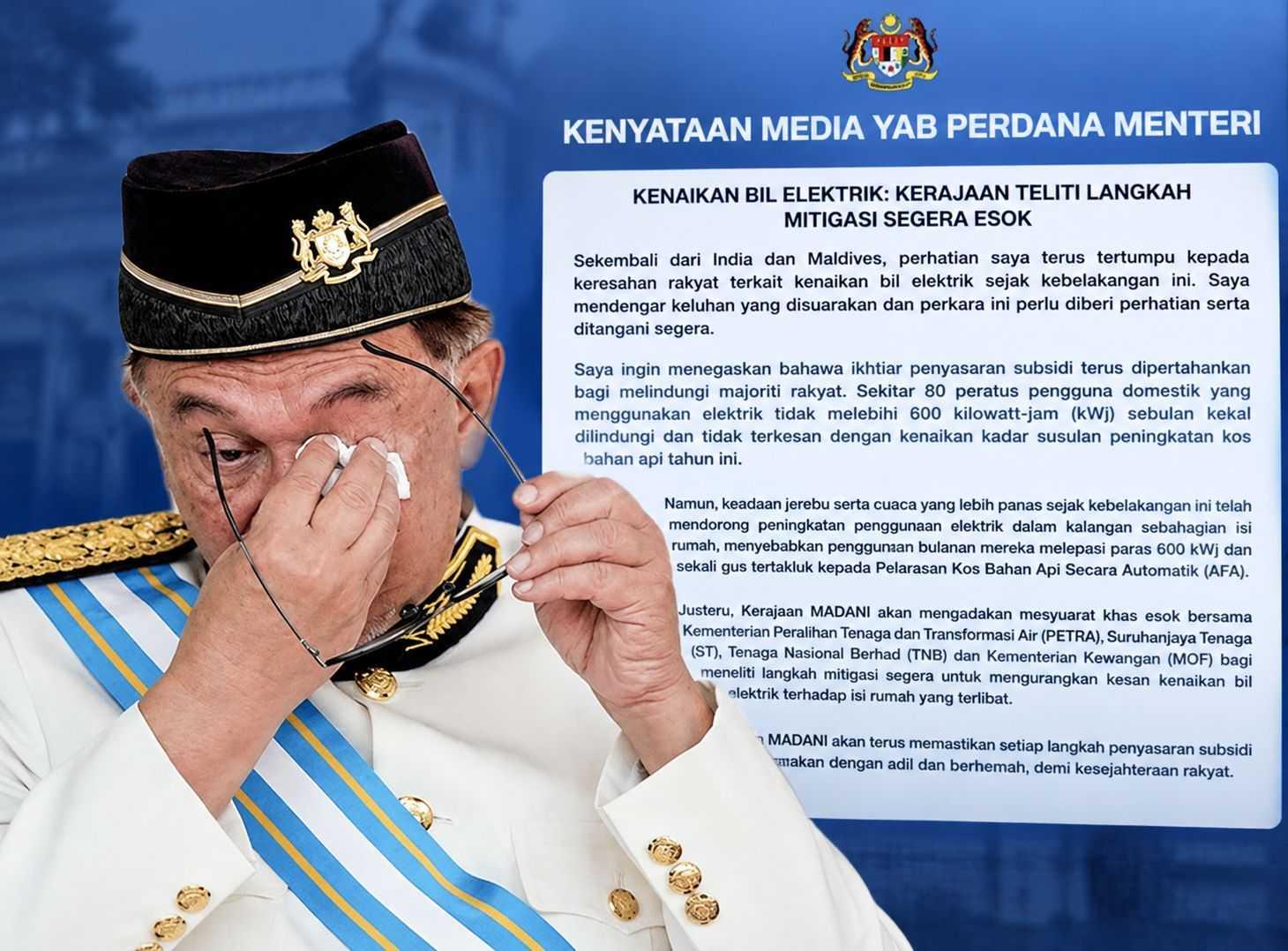
Prime Minister Anwar Ibrahim has immediately claimed that the “constitution vests absolute power in the Yang di-Pertuan Agong”. His statement is an irresponsible attempt to avoid blame for Najib’s house arrest and is contrary to the provisions of the Federal Constitution.
In fact, under the constitution, the king exercises the powers of pardon only upon the advice of the Federal Territories Pardons Board. This is clear from Articles 42(4)(a) and 42(11) of the Federal Constitution.
Further, Article 40(2) sets out three situations where the king may act in his personal discretion: the appointment of the prime minister, consent to dissolve Parliament, and requisition of a meeting of the Conference of Rulers.
The power of pardon is not included under Article 40(2); hence, the king acts only on advice in granting pardons. It is certainly not an exercise of absolute power as irresponsibly claimed by Anwar.
So who is responsible for the granting of the conditional pardon to Najib?
Without doubt, it is the government and Anwar who must bear full responsibility. The Pardons Board which advises the king includes the federal territories minister, who represents the Cabinet. It also includes the attorney-general, who is the government’s legal adviser. The other members of the Pardons Board are also appointed upon the government’s advice.
In other words, it is legally and constitutionally impossible for Anwar and the government to escape responsibility for Najib’s release from prison into house arrest, or to pretend that they had nothing to do with it.
This constitutional position was confirmed by the Court of Appeal in the case of DSAI v Khairul Azam in 2023. The court in this case held that “the royal prerogative of mercy… is an Executive power”.
It is important to note that any criticism of the conditional pardon for Najib is a criticism of the government, and not of the king, who is bound to act upon advice.
Further, there is no provision of law in Malaysia that authorises “house arrest”. The Prisons Act does not provide for house arrest. No other prisoner has been granted house arrest prior to Najib.
Hence, the granting of house arrest is contrary to the rule of law and Article 8 of the Constitution, which guarantees equality before the law.
Henceforth, will the poverty-stricken mother who is sent to prison for stealing baby formula or food be granted house arrest instead of prison? Will the poor and the marginalised receive the same special treatment as Najib?
This extraordinary situation calls for extraordinary measures.
Firstly, the prime minister and the government must accept responsibility for the conditional pardon.
Secondly, nothing prevents the Pardons Board from reconvening and giving revised advice to the king, consistent with the rule of law and the provisions of the Constitution. For the sake of Malaysia, the right thing must be done.
Rania Aljunied is director of rights group Lawyers for Liberty.
The views expressed in this article are those of the author(s) and do not necessarily reflect the position of MalaysiaNow.
See more of our coverage in your search results.
Subscribe to our newsletter
To be updated with all the latest news and analyses daily.