
TikTok blocks MalaysiaNow video on Bloomberg's exposé as pressure mounts on MACC's Azam Baki
The move marks a repeat of online content censorship by the Malaysian government following the introduction of a new licensing regime for social media platforms.
Just In
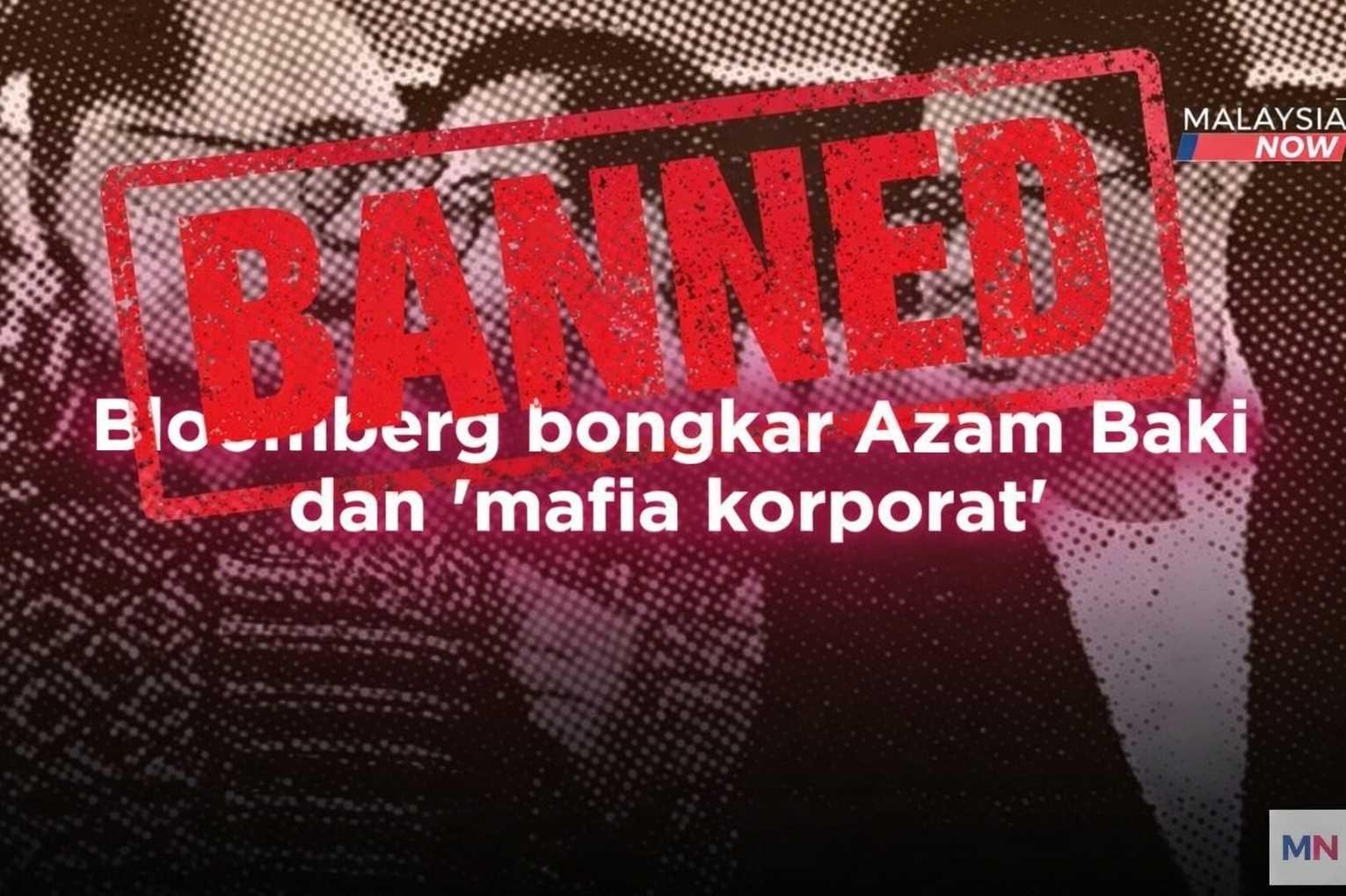
A TikTok video by MalaysiaNow, based on Bloomberg's explosive report on Malaysian Anti-Corruption Commission (MACC) chief Azam Baki, is no longer available to local users, signalling renewed censorship of the popular video-sharing platform, which has come under a controversial government licensing requirement since early this year.
The four-and-a-half-minute Malay-language video, titled "Bloomberg bongkar Azam Baki dan mafia korporat" (Bloomberg exposes Azam Baki and corporate mafia), has garnered more than 300,000 views at press time, with similarly high engagement on other social media platforms such as YouTube, Facebook, and Instagram.
The video summarises Bloomberg's investigative report on Azam and MACC published yesterday, with footage taken from the financial news outlet's own 24-minute documentary interviewing witnesses and victims of rogue businessmen allegedly working in cahoots with MACC officers to forcefully take over ownership of public-listed companies.
The video's disappearance from TikTok pages in Malaysia confirms critics' fears that Putrajaya's move to license social media platforms is more about suppressing content critical of the government than safeguarding children from online harm.
TikTok is one of only three social media platforms – the others being WeChat and Telegram – that have agreed to come under the new licensing regime by the Malaysian Communications and Multimedia Commission (MCMC), the internet regulator chaired by corporate figure Mohamad Salim Fateh Din.

Salim, who is also chairman of the Anti-Corruption Advisory Board, an oversight committee under MACC, has openly defended Azam over an earlier revelation by Bloomberg that he held millions of shares worth some RM800,000 in a listed company, in violation of a government circular prohibiting public servants from such holdings.
Salim stated that Azam had "complied with the prevailing public service governance framework", adding that MACC's integrity should be assessed based on facts and "not unfounded allegations or misleading narratives".
Azam, who has accused Bloomberg of publishing misleading report about his share ownership, has since threatened the US-based news outlet with a defamation suit, although he stopped short of denying that he did purchase 17.7 million shares of Velocity Capital Partner Bhd last year while still the chief commissioner of MACC.
A 2024 government circular prohibits public servants from purchasing shares exceeding RM100,000 in value and requires them to declare such purchases.
Meanwhile, MalaysiaNow's video remains available on Facebook, Instagram, and YouTube, which have frequently refused to comply with Malaysian government requests to take down content critical of ruling politicians.
Shortly after coming to power in November 2022, the government threatened TikTok as it was unhappy over its wide use by opposition supporters, especially during the general election campaign that year.
In 2024, Putrajaya admitted to making requests through MCMC for platform providers like TikTok to delete certain videos.
In August 2023, TikTok removed a video posted by MalaysiaNow summarising an article on the Ambalat oil block off the coast of Sabah – the subject of a longstanding territorial dispute between Malaysia and Indonesia.
According to TikTok, the video was removed due to issues with "integrity and authenticity". No other reasons were given.
In the same year, Communications Minister Fahmi Fadzil, who oversees MCMC, came under fire from journalists and rights groups after MalaysiaNow's website was blocked for 48 hours.
Despite repeated queries, MCMC has not provided an explanation.
See more of our coverage in your search results.
Subscribe to our newsletter
To be updated with all the latest news and analyses daily.


Most Read
No articles found.