'Don't live in a cocoon': Jais rebuked over raid on Shia Muslim gathering
A prominent academic and Islamic scholar says authorities continue to display ignorance through annual raiding parties against Muslims who do not subscribe to a single interpretation.
Just In
A multi-agency raid led by the Selangor Islamic Religious Department (Jais) on a private event by Shia Muslims has again raised questions about local Islamic bureaucrats’ tolerance of intra-Islamic diversity, with a prominent critic saying the action not only reflects ignorance among authorities about the reality of the Muslim world, but also a trend of narrowing Islamic scholarship, as often repeated in Friday sermons nationwide.

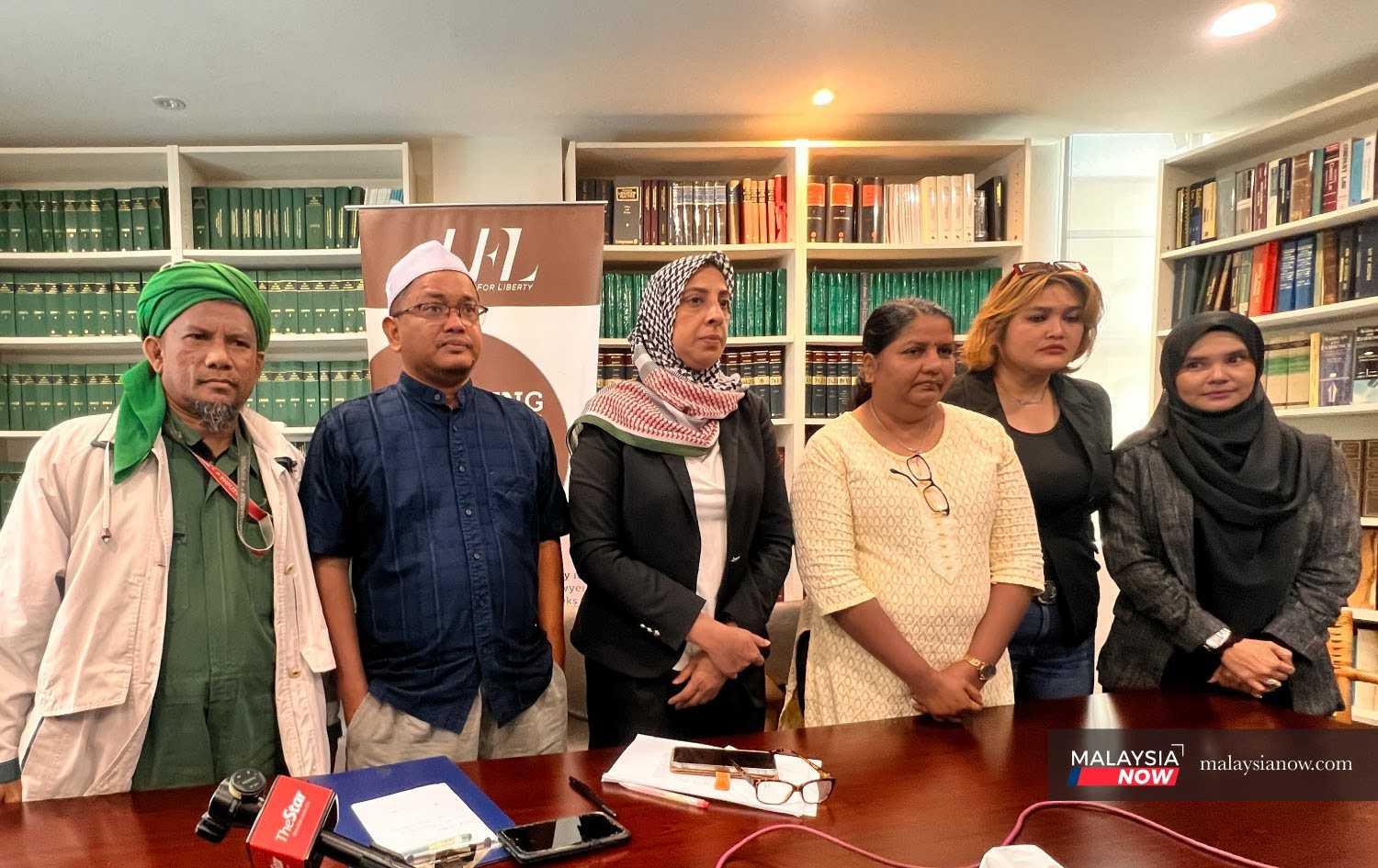
“Jais should perhaps travel around the world and look at the diverse Islamic understandings and practices among Muslims worldwide. Jais should not live in a cocoon and think that there is only one correct interpretation of Islam, that is Jais’ Islam,” said Muslim activist Dr Ahmad Farouk Musa, director of the Kuala Lumpur-based Islamic Renaissance Front and a frequent critic of local Islamic bureaucrats.
Last Thursday, Jais, backed by the police, immigration, fire department, the Malaysian Communications and Multimedia Commission and the Subang Jaya City Council, barged into an event to mark 10 Muharram, an annual commemoration of Imam Hussain, a central figure in Shia Islam, the predominant school of thought in Iran which is also widely followed by Muslims in much of the Middle East, Central Asia and the Indian subcontinent.
Jais accused the organisers of violating the Syariah Criminal Offences Enactment (Selangor) 1995, citing offences such as not heeding the state mufti’s fatwa, spreading “deviant” Islamic teachings, and possessing material that contravenes state fatwas.
Officers also screened 226 foreigners including 28 children during the raid.
Farouk, a medical lecturer who has published works on Islamic studies and an extensive doctoral thesis on the Quran, said the latest action showed the authorities’ failure to grasp the significance of 10 Muharram ceremonies, especially in the wake of the war against Iran, where such events have gone beyond the rituals of mourning for Imam Hussain to evoking the spirit of resistance of the Islamic republic against the US and Israel.
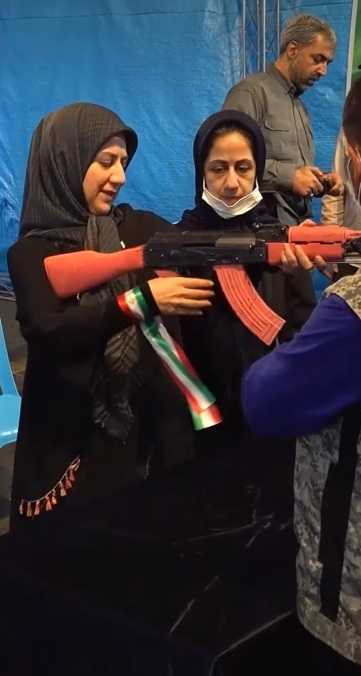 “It inculcates among us Muslims the spirit of resistance against tyranny. It resembles the moral courage of the grandson of the Prophet, who chose martyrdom rather than submit to an unjust ruler, prioritising truth and justice over power,” Farouk told MalaysiaNow.
“It is no wonder then that Iran, which subscribes to Shi’ism, is the lone fighter against the US imperialists and their ally, the Zionists of Israel. It is this spirit of resistance that Jais should perhaps learn.”
The latest raid against Shia Muslims also comes at a time when Prime Minister Anwar Ibrahim appears to tread carefully in ensuring Putrajaya’s good relations with Iran, which he said had assured safety for Malaysian commercial ships caught in US-Israeli war against the Islamic republic. Meanwhile, MalaysiaNow understands that none of the foreigners checked during the raid were Iranians.
Shi’ism, whose followers form the majorities in Iraq, Iran, Kuwait, Bahrain and Lebanon, with a large presence in parts of Saudi Arabia, Yemen and Pakistan, is the second-largest branch of Islam.
But for decades, religious authorities in Malaysia have labelled it deviant, with a slew of fatwas declaring so. In the past, official sermons delivered in mosques have even included a prayer condemning Shia Islam during Friday sermons.
Farouk is among a growing number of local Muslim scholars who have condemned the targeting of Shia Islam, especially in the wake of the war in the Middle East which has seen Muslim scholars worldwide – including Wahhabi-minded clerics known for their anti-Iran stance – put aside sectarianism and rally behind Iranian Muslims who have resisted more than four months of US-Israeli firepower.
Farouk noted that while sermons have stopped condemning Shia Islam, authorities continue to preach a narrow version of Islam that recognises only a select part of the Islamic corpus.
In 2024, the Anwar administration’s move to introduce a new law to govern Muslims appeared to solidify the sectarian outlook of bureaucrats, with efforts to officially recognise only two theological schools from mainstream Sunni Islam.
“I think narrow theological issues should not be the focus of the current government as there have been no problems so far. If there is a sect or a group that clearly violates the (Islamic) creed, we agree that action should be taken, because we are a nation where the state interpretation is based on the Sunni-Shafi’i school,” commented former Umno Youth chief Khairy Jamaluddin.
Farouk said the “annual event” by Jais to crash 10 Muharram ceremonies is “vexing and exasperating”.
“It is not surprising that in current Friday sermons in mosques around Selangor there is a du’a (supplication) for Muslims to follow only the Asha’irah and Maturidiyah creed or school of thought, the Shafi’i denomination, and the tasawuf, or moral and ethical teachings, of Imam al-Ghazali and Imam al-Junaid al-Baghdadi,” he said, referring to the weekly Friday sermon texts prepared by Jais.
“The issue here is this: is there freedom of thought or conscience in Islam?
“Apart from Asha’irah and Maturidiyah, history has proven that there are Salafiyah, Shi’a, Ibadiyah, Mu’tazilah and other schools of thought, who are all ahl-ul-Qiblah, meaning they worship only Allah. Why is it so hard for Jais to understand this diversity?” he asked.
See more of our coverage in your search results.
Subscribe to our newsletter
To be updated with all the latest news and analyses daily.