As Anwar dismisses 'spy' label by Thai general, Indonesian ex-president rebukes Asean, 'embarrassed' by Trump presence
Susilo Bambang Yudhoyono's comments come as Anwar Ibrahim tries to make light of growing criticism of his handling of Asean affairs and the trade deal he signed with the US.

Just In
Video clips and news reports of former Indonesian president Susilo Bambang Yudhoyono criticising Asean's recognition of Donald Trump as peacemaker in the Thai-Cambodia conflict have been making waves in Malaysia, as Prime Minister Anwar Ibrahim, who feted the US president at the bloc's summit last month, attempted to dismiss growing criticism, including from a prominent Thai general who labelled him the enemy within.
Yudhoyono, Indonesia's first freely elected president popularly known as SBY, reminded that it has always been Asean that has managed to ensure both sides held their fire for more than a decade, adding that the bloc already has leaders capable of solving problems among themselves.
"On the other hand, when the conflict between Cambodia and Thailand erupted, suddenly Donald Trump became an intermediary and I felt embarrassed and humiliated," he said, addressing a forum organised by a Jakarta-based think tank last week.
SBY's remarks immediately fuelled public anger against Anwar over his decision to sign the so-called "reciprocal trade agreement" with Trump on the sidelines of the Asean Summit in Kuala Lumpur on Oct 26.
Unlike his response to Kitiyanasap, Anwar will find it difficult to dismiss Yudhoyono, who served as Indonesia's president for two terms between 2004 and 2014.
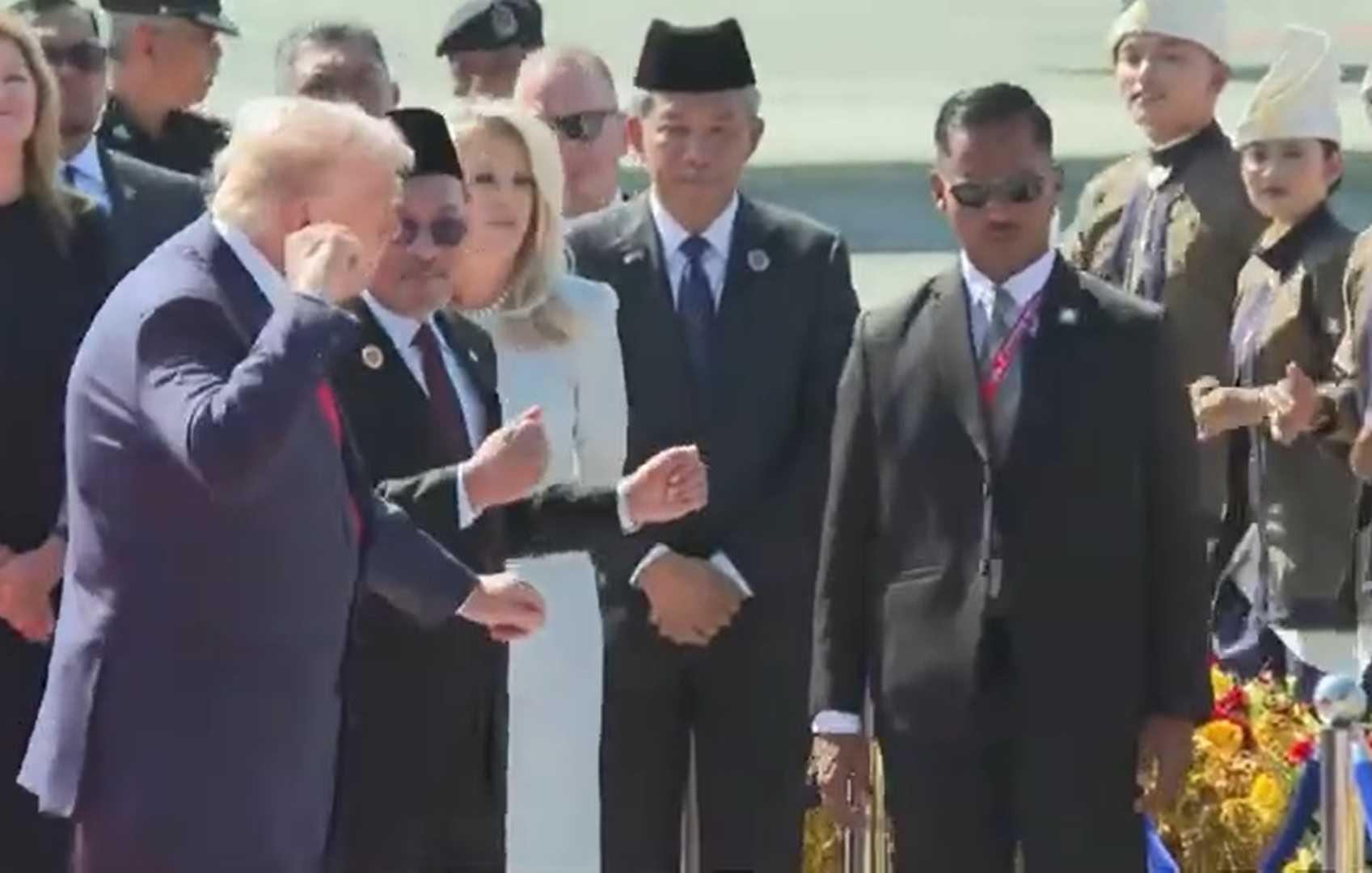
On the same day, Anwar hosted a hastily organised ceasefire deal signing ceremony, where he feted Trump as a peacemaker for ending border skirmishes between Thai and Cambodian security forces, followed by the US president declaring that it was the "sixth war" he had ended since returning to the White House.
Regional experts, however, have reacted with cynicism to any attempt to portray Trump as having played a role in the ceasefire, saying the signing ceremony was to satisfy his well-known ego without addressing the central issue of territorial disputes between the two Asean member states.
Details published by the White House and expert scrutiny of the ceasefire and trade agreements signed by Trump in Kuala Lumpur revealed they were aimed at more than just preventing trade tariffs or ending the border skirmishes.
At the heart of the condemnations is the fact that the US has managed to secure rare earths from Malaysia and Thailand, a move seen as outsmarting China, which had banned the export of the much-needed minerals to US as leverage in its trade war with Washington.
While Rangsi did not say who Anwar was spying for, the label has been politically sensitive for Anwar, who has spent decades trying to fight off the perception that he is a US lackey.
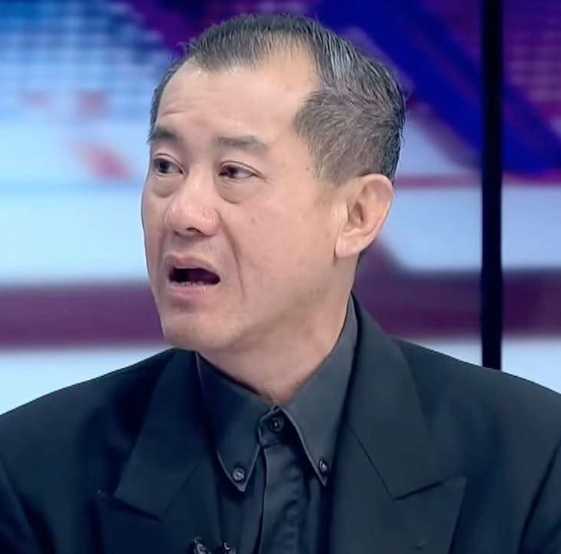
Among the critics was retired Thai general Rangsi Kitiyanasap, who accused Anwar of being a spy and causing economic losses to Thailand by allowing the US to interfere through a mediator role in the ceasefire.
"Anwar is a spy," Rangsi was quoted by Thai PBS World as saying.
"He is a real hassle that has caused us calamities. Why is he meddling with us?" said Rangsi, an outspoken retired general-turned-politician who frequently appears on major Thai media outlets.
While Rangsi did not say who Anwar was spying for, the label has been politically sensitive for Anwar, who has spent decades trying to fight off the perception that he is a US lackey.
Rangsi's interview clip immediately set off Malaysia's social media.
Instead of addressing Rangsi's allegations, Anwar painted him as irrelevant, dismissing him as an "election loser" whose party has never won any seats in the Thai parliament.
Yudhoyono: Why drag US into Asean affairs?
However, Anwar will find it difficult to apply the same response to remarks by Yudhoyono, who served as Indonesia's president for two terms between 2004 and 2014.
Quoted by Indonesian news portal Kompas, Yudhoyono, who was the Asean chairman in 2011, said he was disappointed to see the diminishing role of Asean leaders in solving conflicts among themselves, adding that the bloc is no longer as cohesive as it once was.
"In the past, there was also a conflict between Cambodia and Thailand. I was negotiating for Asean. We were asked to mediate, and we did. The result was successful, and it lasted 13 years," he said.
He said he saw no reason to invite a foreign superpower into a regional conflict.
"There's still Indonesia, why? There are still Asean leaders. We could do it (ourselves). To me, Trump is better off as a peacemaker preventing a third world war, or the conflict in Asia, Europe, and the Middle East. That is his level," he said. "As such, things like this (Cambodia vs Thailand) should be left to Asean," he added.
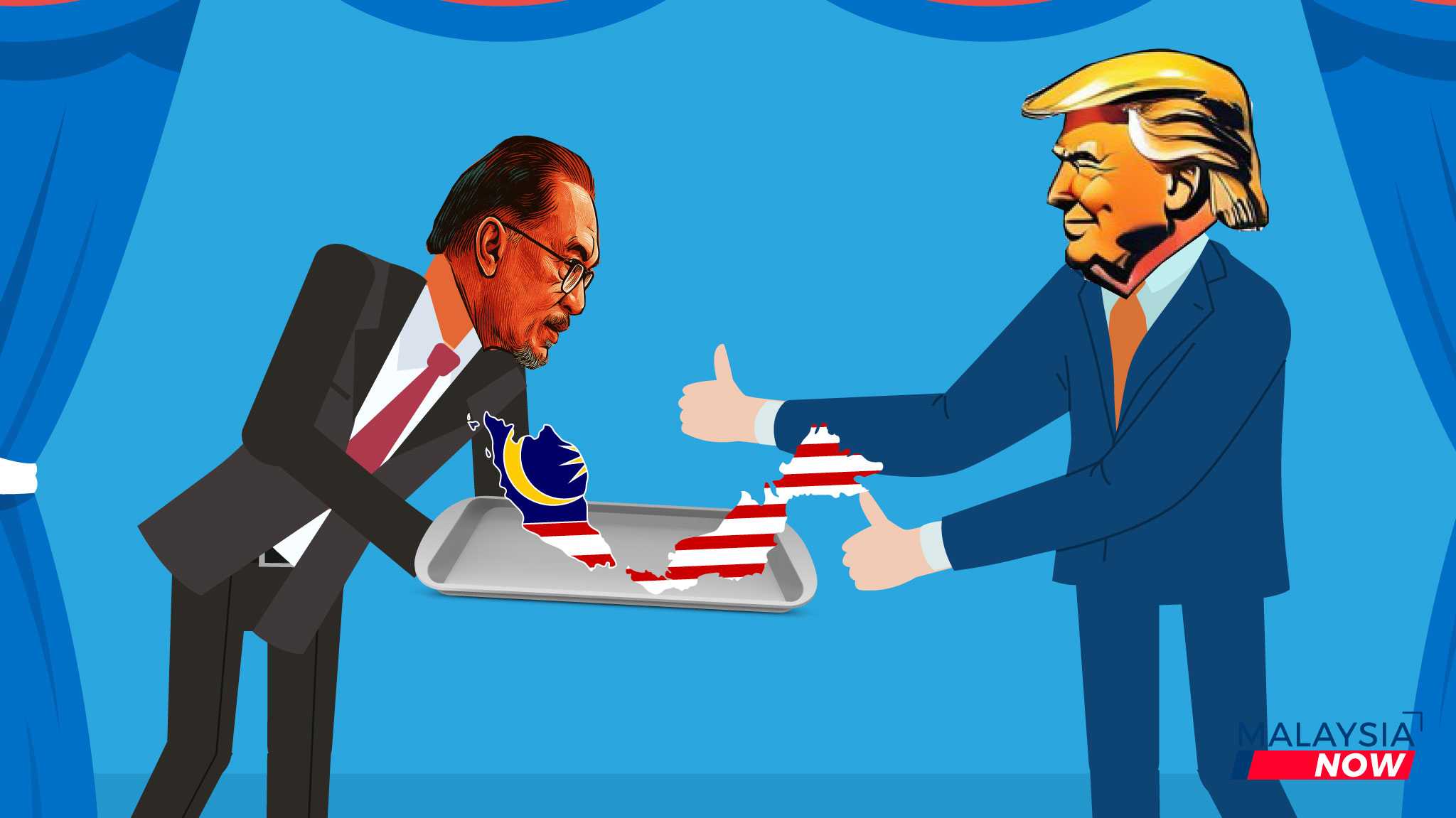 The ceasefire agreement was signed following a trade deal Anwar signed with Trump, where experts have been almost unanimous in describing it as a surrender of Malaysia's trade independence, particularly its obligation to comply with US trade and foreign policies in future bilateral agreements with other countries.
In addition to pledging an unlimited supply of minerals to the US, removing numerous restrictions on US products, and adopting US consumer standards for food and pharmaceuticals, the deal stipulates that if Washington imposes sanctions or tariffs on any third country for national security reasons, Malaysia "shall adopt or maintain a measure with equivalent restrictive effect".
Anger over the deal has since evolved into internet memes mocking Anwar as a US lackey, a label given to him by his former mentor Dr Mahathir Mohamad as far back as the Asian currency crisis of the late 1990s.
Since the Gaza war began, Anwar has taken pains to repair his image among Malaysian Muslims, who have largely abandoned his ruling coalition, seizing the opportunity to portray himself as a critic of Western aid to Israel by mobilising civil servants to attend his speeches at government-organised solidarity rallies for Palestine.
Critics have dismissed the pro-Palestine rhetoric as little more than theatrics, and many regard Anwar's colourful welcome for Trump on Oct 26 - where he danced alongside the US leader - as a sign that the prime minister has given up any hope of regaining support from Malay Muslims.
See more of our coverage in your search results.
Subscribe to our newsletter
To be updated with all the latest news and analyses daily.