
Iran unrest: Peaceful protests hijacked by violent rioters
What started as an exercise of the right to free speech and peaceful assembly has been hijacked with the help of US and Israel, says Iran's Ministry of Foreign Affairs.
Just In
The occurrence of social unrest has today become part of the everyday reality of societies across the world. Peaceful protests must be supported.
Naturally, when protests move beyond a peaceful framework and become contrary to public order, public health, and public security, governments adopt measures to control the situation.
On Sunday, Dec 28, 2025, following an increase in the exchange rate, trade-related protest gatherings were formed by some shopkeepers in Tehran’s Grand Bazaar.
From the outset, these gatherings were peaceful in nature, professional and demand-oriented, and participants sought to raise their demands in a calm manner without disrupting public order.
However, from Jan 12 onward, a significant portion of these protests departed from their peaceful nature and took on the character of riots and destruction.
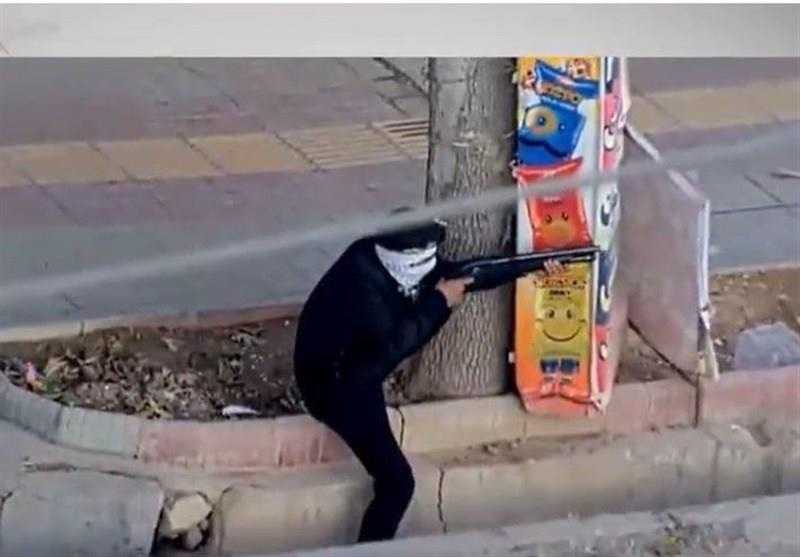
Violence-seeking rioters hijacked the people’s livelihood-related protests and diverted them from their original path. The scale of destruction, the intensity of violence, the armed nature of the core groups, the planned and premeditated attacks on government, private, religious, medical, transportation facilities, and shops, as well as the overall level of violence, indicated a clear and organized plan to create unrest and insecurity in the country.
Respect for freedom of expression, peaceful assembly
The right to peaceful assembly is recognized both in the Constitution and in legal system of the Islamic Republic of Iran.
As long as participants do not resort to actions against security, public order, or the destruction of public and private property, they are supported.
In this regard, international human rights norms, including Article 21 of the International Covenant on Civil and Political Rights (ICCPR), consider the peaceful nature of an assembly as the determining characteristic for its protection.
The Islamic Republic of Iran emphasises its commitment to obligations arising from international human rights law, including the ICCPR, with regard to respecting and protecting the rights to freedom of expression and peaceful assembly.
These rights are guaranteed in the Constitution of the Islamic Republic of Iran and within the domestic legal framework, and are recognised as essential elements of public participation in social and economic affairs.
Every year in Iran, numerous peaceful protests and gatherings are held by the public without any problems. However, what occurred in recent days was not peaceful assembly, but rather riots and terrorist acts carried out by a small group of rioters, supported by the United States and the Zionist regime, incited by certain media outlets affiliated with hostile countries, and accompanied and guided by terrorist groups.
During these events, they did not hesitate for a moment: from killing and injuring innocent people to destroying public and private property and imposing enormous costs on the nation.
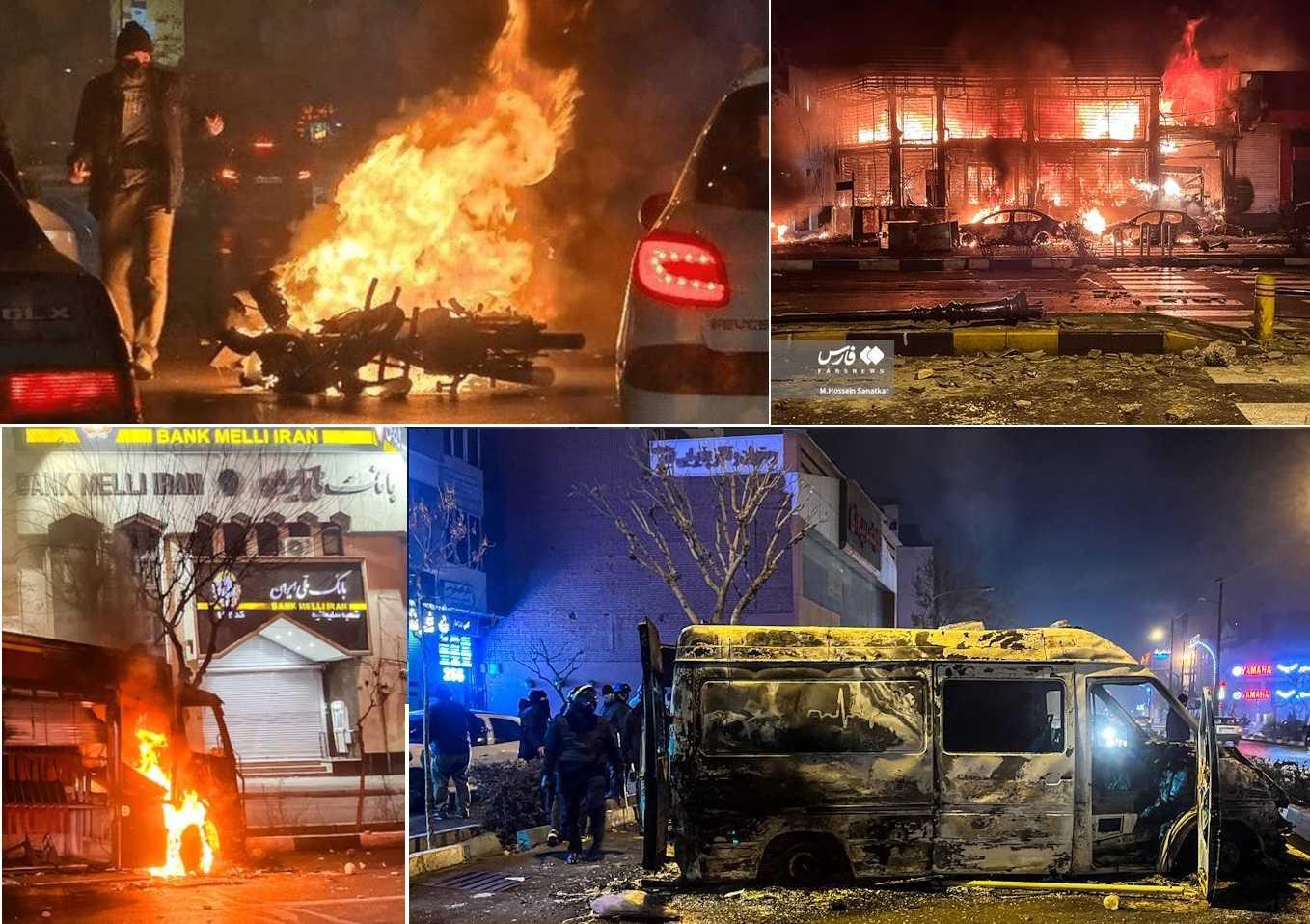
During the riots, many public and private properties were set on fire or looted.
A considerable number of law enforcement personnel and ordinary citizens were killed or injured as a result of gunfire by rioters and their use of bladed weapons.
Civil administrative centres and public service facilities, such as banks, ATMs, ambulances transporting patients, public transportation, police vehicles, fire engines, and religious sites, many of which were destroyed also police stations or burned, and were subjected to organised and widespread attacks.
The criminal actions of the rioters, aimed at causing significant damage to public and private property, constitute violations of the right to property, freedom of movement, safety and security, the right to work, physical and mental health, and the right to access public services.
It is therefore evident that under such circumstances, law enforcement officers are obligated, in the performance of their legal duties, to take appropriate lawful measures to preserve and ensure safety, security, and public order.
It is self-evident that the use of weapons and terror-inducing equipment, resorting to violence against the public and the police, attacking public, governmental, and private properties and facilities, and setting them on fire, do not constitute peaceful protest and give rise to legal responsibility.
Under these conditions, the police of the Islamic Republic of Iran are legally obligated to restore public order and security for all citizens.
The policy of the Islamic Republic of Iran in confronting riots and threats against internal security is the minimal use of force.
In the current situation, it was the rioters who, taking advantage of the restraint and tolerance of forces confronting the unrest, resorted to maximum violence against those responsible for maintaining public order and even entered a military and armed phase.
Foreign actors
In this context, the United States and some Western countries, by employing all their capabilities and tools, engaged in completely unconventional actions and in violation of international norms by intervening in this matter and openly interfering in Iran’s internal affairs in support of the rioters.
Statements by officials of the United States and certain Western countries clearly demonstrate the role of foreign actors, provocations, and activities of some governments in the continuation and escalation of the recent riots.
Images and documentation related to ISIS-like and terrorist actions of rioters
During the violent riots, numerous public and private places and properties were set on fire or looted.
 These included systematic and widespread attacks on nonmilitary administrative and public service centres such as banks, ATMs, ambulances (despite transporting patients), public transportation vehicles, police cars, fire engines, and religious sites, many of which were destroyed or burned.
In addition, a large number of private cars, motorcycles, and residential homes were also set on fire by rioters.
According to the mayor of Tehran, some of the damages in the capital included the destruction and burning of 42 buses, public vehicles, and ambulances, 10 government institutions, and 24 residential homes.
Furthermore, more than 70 mosques, husseiniyehs (prayer house), and religious centres were also destroyed and set on fire by rioters.
This report is prepared by the Office of the Deputy for Legal and International Affairs, Ministry of Foreign Affairs, Iran.
The views expressed in this article are those of the author(s) and do not necessarily reflect the position of MalaysiaNow.
See more of our coverage in your search results.
Subscribe to our newsletter
To be updated with all the latest news and analyses daily.

Most Read
No articles found.