When moral failure led me to overlook injustice
This is written as an act of reckoning, to confront my own failure, to stand with those I once failed, and to declare without hesitation where I stand: with the oppressed, with Palestine, always.
Just In
I once defended the indefensible, excused suffering I recognised, and ignored the truth for the sake of narrative. That was not analysis; it was moral failure.
In a world saturated with euphemisms and moral evasions, it is necessary to speak plainly. There is no virtue in neutrality when injustice is organised. There is no civility in silence when power is used to crush the defenceless.
There comes a point when silence is not thoughtfulness; it is betrayal. A moment when moral ambiguity no longer protects conscience but stains it. We are living in that moment.
I have looked directly at the corrupt machinery of institutional power and felt its cruelty. I do not equate my experience with those under siege or occupation, but I know what it means to have freedom stolen by deceit. That time, painful and quiet, forced me to reconsider everything I thought I understood about justice, power, and truth.
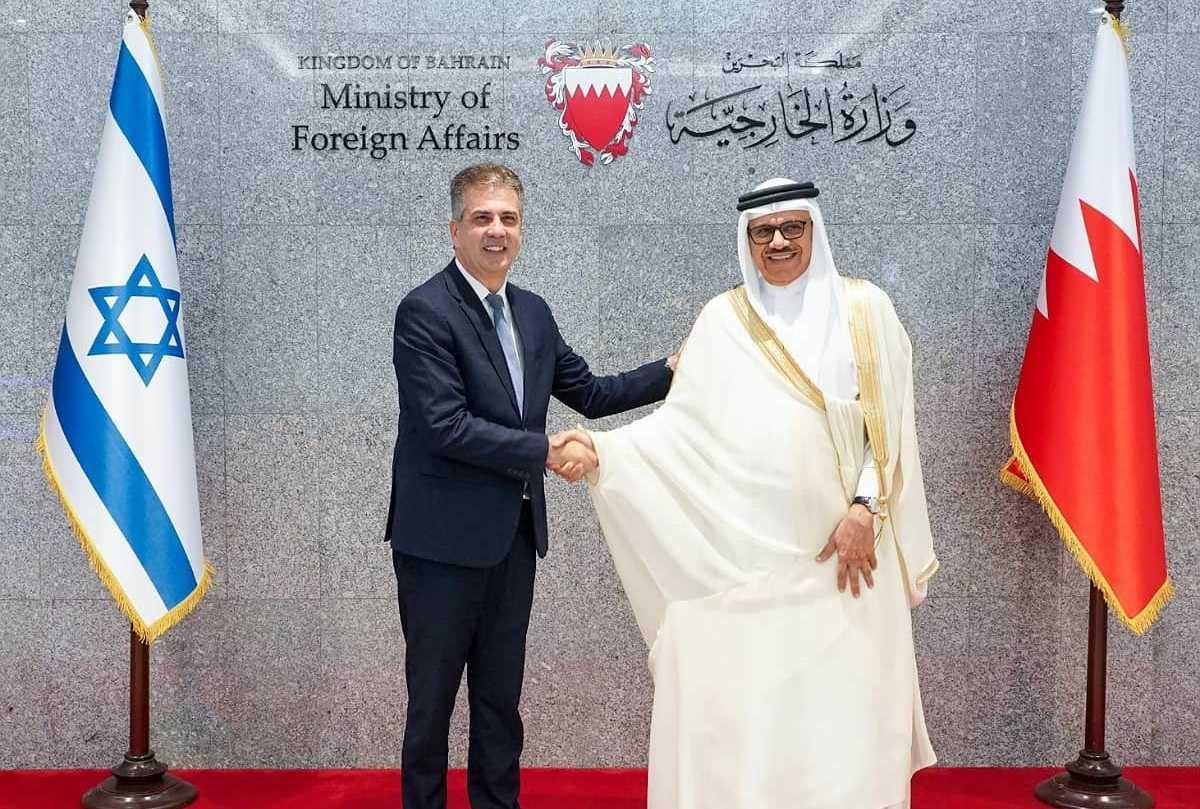
Years ago, I defended Israel, speaking with certainty I had not earned, about pain I did not bear, ignoring lives reduced to rubble. I overlooked the voices pleading for dignity. I spoke as if it were abstract, detached, a debate, when it was real, urgent, and devastating.
It did not make me a victim. It made me aware. It taught me what injustice feels like when it has a face and a pulse. That experience stripped away abstraction and revealed a hard truth: empathy without confrontation achieves nothing.
Years ago, I defended Israel, speaking with certainty I had not earned, about pain I did not bear, ignoring lives reduced to rubble. I overlooked the voices pleading for dignity. I spoke as if it were abstract, detached, a debate, when it was real, urgent, and devastating. That blindness forced me to confront what conviction without conscience truly is, and it taught me that empathy means nothing if it does not challenge power.
Palestine
For more than seven decades, Palestinians have endured systematic dispossession: land confiscations, expulsions, and the slow erasure of an identity.
An entire population has been trapped between occupation and exile, denied sovereignty, and stripped of the basic conditions of life. What has been called a “conflict” is not a clash of equals. It is the prolonged subjugation of one people, enforced through military power, bureaucracy, and collective punishment.
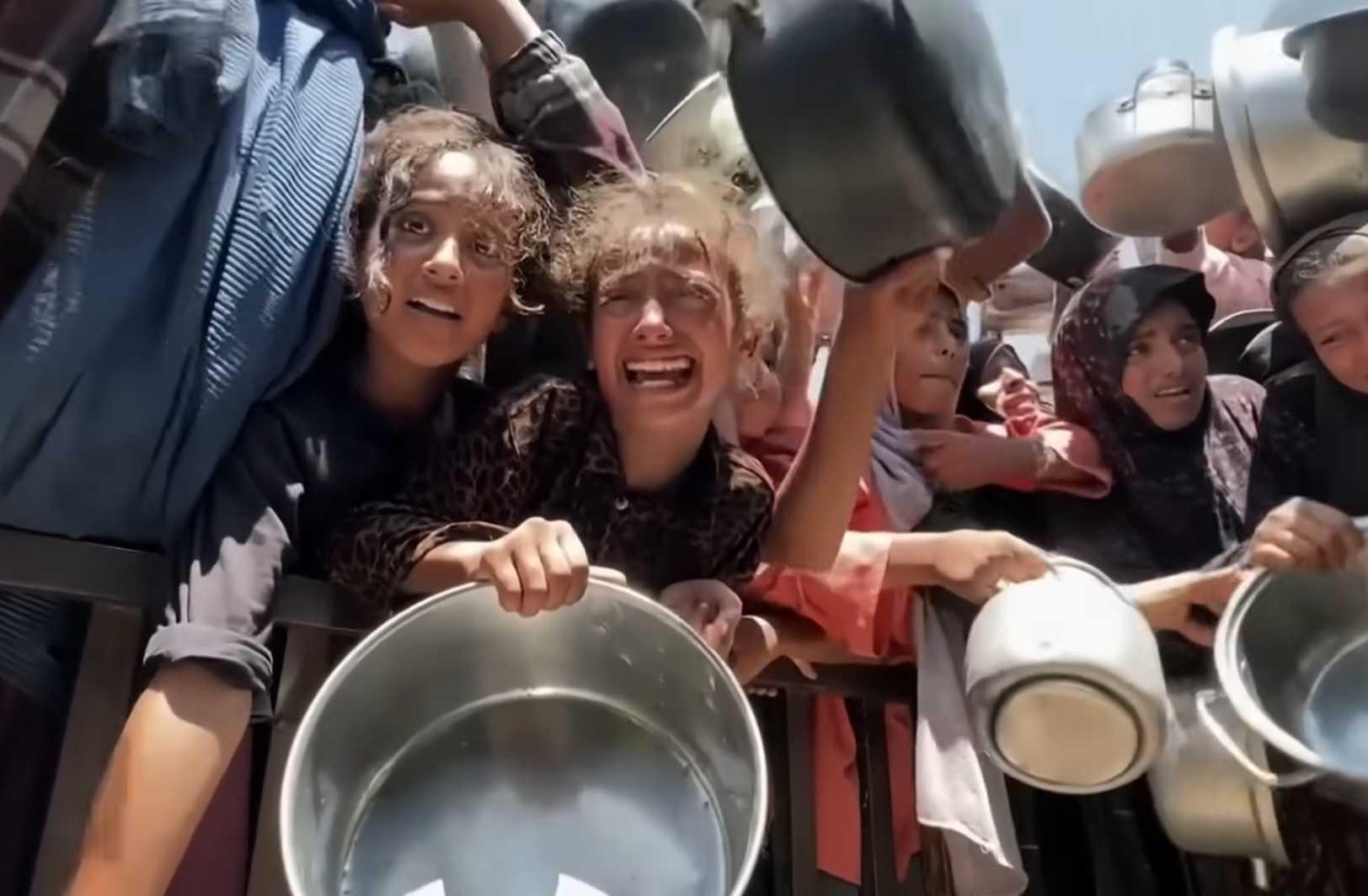
Gaza is not a battlefield. It is a prison of two million people, sealed by walls and drones, deprived of freedom, food, electricity, and dignity. Bombardments are not acts of defence when they level homes, schools, and hospitals. They are acts of domination: targeted and systemic.
Occupation is violence, whether slow or sudden. The checkpoints that divide families, the bulldozers that flatten homes, the settlers who take land under armed protection – these are not security measures. They are the machinery of apartheid. They are the daily architecture of humiliation.
To speak of “both sides” in such an asymmetry is to erase reality. One side controls the land, the air, the water, and the borders. The other fights to survive in its own homeland.
Israel is a criminal state in breach of every enshrined international law. Collective punishment, indiscriminate bombing, and the deliberate targeting of civilians are war crimes. Yet there are those who continue to tolerate them, repackaged as “operations”, “responses”, and “defence”. Euphemisms serve as shields for impunity.
Justice for Palestine is not a partisan position; it is a moral baseline. A civilisation that excuses apartheid under the language of security abandons its own humanity.
The struggle of Palestinians is not just for territory; it is for recognition, dignity, and the right to live free of siege and fear. Every demolished home, every body pulled from rubble, every child buried too soon, indicts the conscience of the world.
To stand with Palestine is not to oppose peace. It is to insist that peace built on oppression is a lie. True peace requires equality, restoration, and an end to occupation.
The question is not whether Palestinians deserve freedom; it is whether we deserve to remain silent while it is denied to them.
My conviction
This is written as an act of reckoning, to confront my own failure, to stand with those I once failed, and to declare without hesitation where I stand: with the oppressed, with Palestine, always.
I once confused balance with integrity, believing that staying above the fray meant fairness. I know now that balance without justice is cowardice, and that integrity begins only when we side with truth. Growth is not polite reflection; it is the courage to name our own mistakes and to change them in full view of the world.
I write from responsibility, with the understanding that neutrality in the face of annihilation is surrender. The organised destruction of human beings, by any actor, under any flag, for any cause, is not politics. It is a desecration of life itself.
Words are not redemption. They are a beginning. Redemption lives in alignment with truth, with conscience, and with the relentless refusal to accept injustice.
See more of our coverage in your search results.
Subscribe to our newsletter
To be updated with all the latest news and analyses daily.