
Indonesia to deploy India's super-fast missiles in Strait of Malacca?
The move comes amid recent signals that Jakarta is seeking to assert control over the busy waterway, inspired by Iran's control of the Strait of Hormuz.

Just In
Indonesia is said to be preparing to deploy Indian-made long-range supersonic missiles along the Strait of Malacca, a move likely to provoke anger from neighbouring countries, particularly Malaysia, which in April was ruffled over remarks from top Indonesian leaders suggesting Jakarta should assert greater control over the busy shipping lane, MalaysiaNow has learnt.
The plan was discussed at an inter-agency coordination meeting, or "rapat", held on May 20 and attended by senior Indonesian military and government officials.
The meeting forms part of preparations ahead of a visit by Narendra Modi next month, during which the Indian prime minister and President Prabowo Subianto are expected to formalise the sale of India's BrahMos, a cutting-edge supersonic missile jointly developed with Russia, capable of reaching speeds of Mach 3, a range of 300 km, and carrying up to 300 kg of warheads.
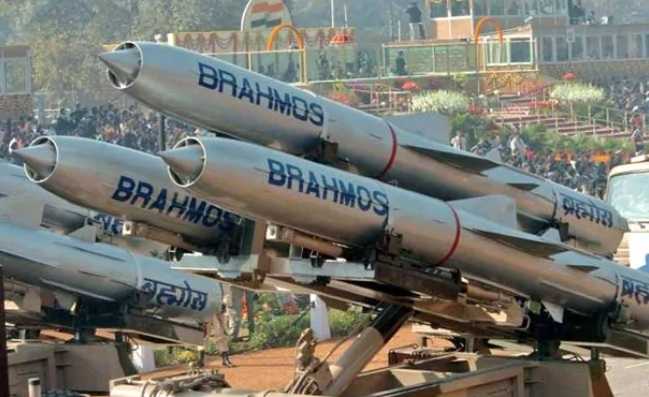 "The initial deployment sites will include strategic choke points such as the Strait of Malacca," a source in Jakarta told MalaysiaNow under strict anonymity, citing minutes of the meeting.
The source added that the deployment "alligns with Indonesia's efforts in strategy, security, sustainability, and in enhancing its role in global maritime governance".
It comes two months after Prabowo, in remarks apparently inspired by Iran's move to take control of the Strait of Hormuz, issued a directive that Indonesia should see itself as a “key player” on the global economic stage due to its proximity to the Strait of Malacca.
"Are we aware that 70% of East Asia’s energy needs and 70% of its trade pass through Indonesian seas? Are we aware that the Strait of Malacca, the Sunda Strait, the Makassar Strait, and others are Indonesian waters? Are we aware of how important Indonesia is?" Prabowo told a Cabinet meeting on 8 April.
Two weeks later, Indonesia's Finance Minister Purbaya Yudhi Sadewa doubled down on the call by suggesting that Jakarta impose a levy on ships passing through the Malacca Strait.
"We sit on a strategic global trade and energy route, yet ships pass through the Malacca Strait without being charged - I’m not sure whether that’s right or wrong," he reportedly said.
It was immediately met with silent outrage from Indonesia's smaller neighbours along the Malacca Strait.
"Whatever is to be done in the Strait of Malacca must involve the cooperation of all four countries. That is our understanding – it cannot be done unilaterally," said Foreign Minister Mohamad Hasan.
For more than two decades, Indonesia has worked with Malaysia, Singapore and Thailand to jointly patrol the Strait of Malacca as part of efforts to stop trafficking, piracy and trans-border crimes.
Purbaya later walked back on his remarks, saying he was not serious in proposing to charge levy, adding that he was aware it would violate international maritime law.
Despite this, officials in Jakarta who met on May 20 felt Indonesia should take lessons from the Hormuz stalemate because critical straits "are no longer merely seen as shipping lanes but as arenas for deterrence, political pressure, narrative warfare, and economic manoeuvring", the source said, summarising the minutes of the meeting.
"As geopolitical tensions intensify, Indonesia must modernise its defence capabilities, including through the procurement of India's BrahMos missile complexes," it added.
However, it warned that any deployment of the BrahMos to the Malacca Strait would threaten navigation and create uncertainties in energy supply.
"It will disrupt the cooperative mechanism which unites littoral states to ensure navigational safety in the Strait of Malacca, exacerbating regional instability and tensions," it added.
MalaysiaNow is seeking a response from Prabowo's office as well as from the Indonesian defence ministry.
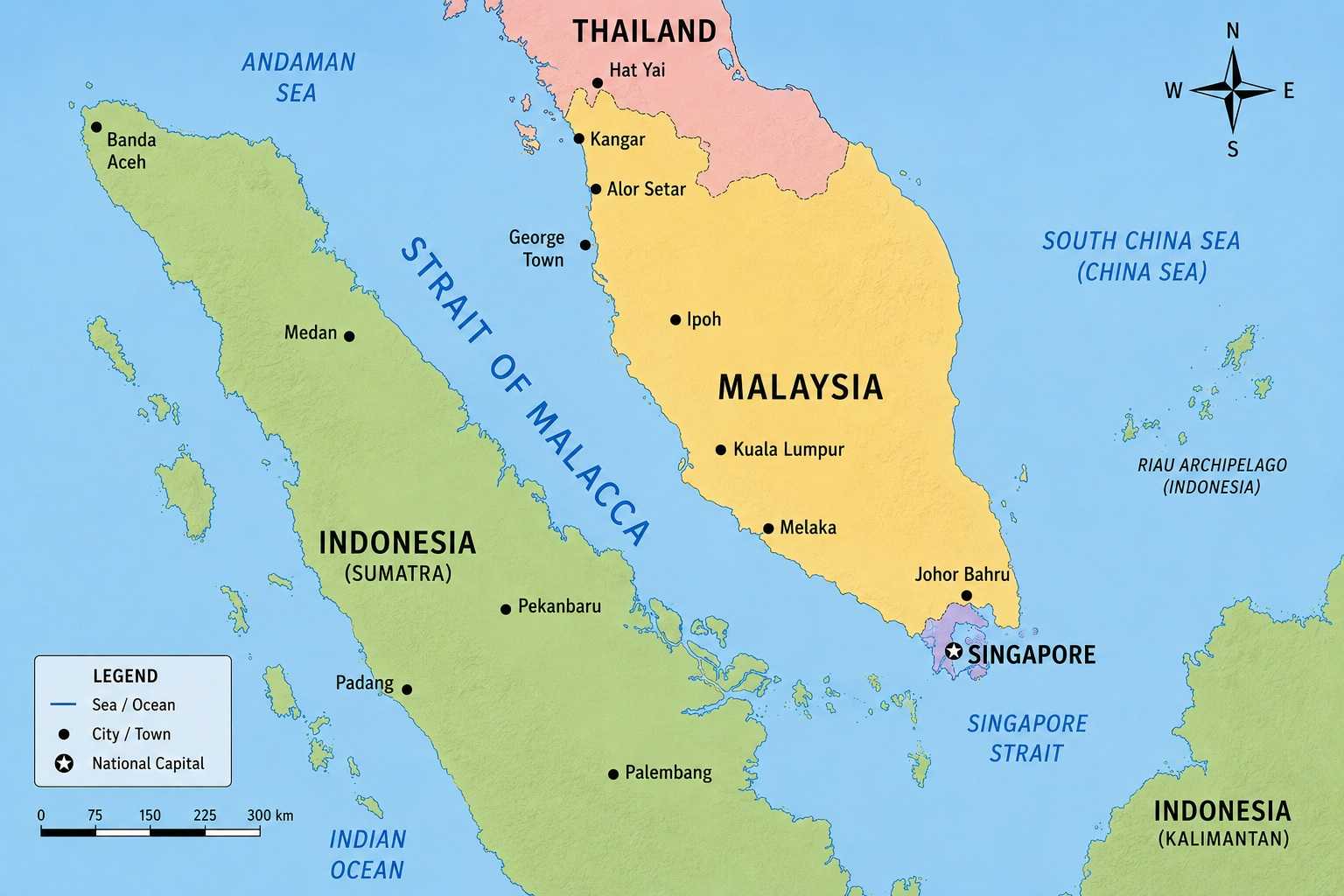 As one of the world's busiest shipping lanes, the 900 km Strait of Malacca, separating Sumatra and Peninsular Malaysia, offers the shortest route between the Pacific and Indian oceans.
Recent comparisons of the waterway with the Strait of Hormuz have sparked fears that the global economic crisis caused by the US-Israeli war against Iran could be replicated in South East Asia in the event of a conflict.
Jakarta's move to assert control over the Strait of Malacca is seen not only as a geopolitical strategy for survival in the event of military conflict, but also comes at a time when the Indonesian economy – already reeling from years of inflation and soaring prices – takes further blows from the Hormuz closure.
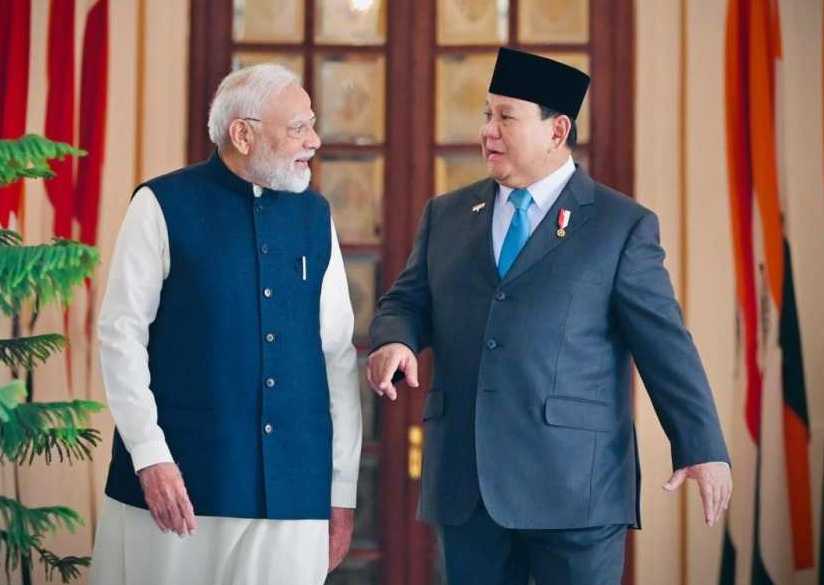
Modi will visit Indonesia from July 7 to 8, and the procurement of BrahMos missiles is a key agenda item.
If finalised, Indonesia will be the third Asean member to acquire the missile system.
Earlier this month, New Delhi announced a US$629 million deal to supply the weapons to Vietnam, following the Philippines, which in 2022 became the region's first country to acquire them.
Meanwhile, Malaysia, whose purchase of a RM1 billion naval missile system for its littoral combat ships was abruptly cancelled by Norway, is said to be evaluating the air-launched variant of BrahMos.
See more of our coverage in your search results.
Subscribe to our newsletter
To be updated with all the latest news and analyses daily.