
'They threw me in death row, it didn't break me’
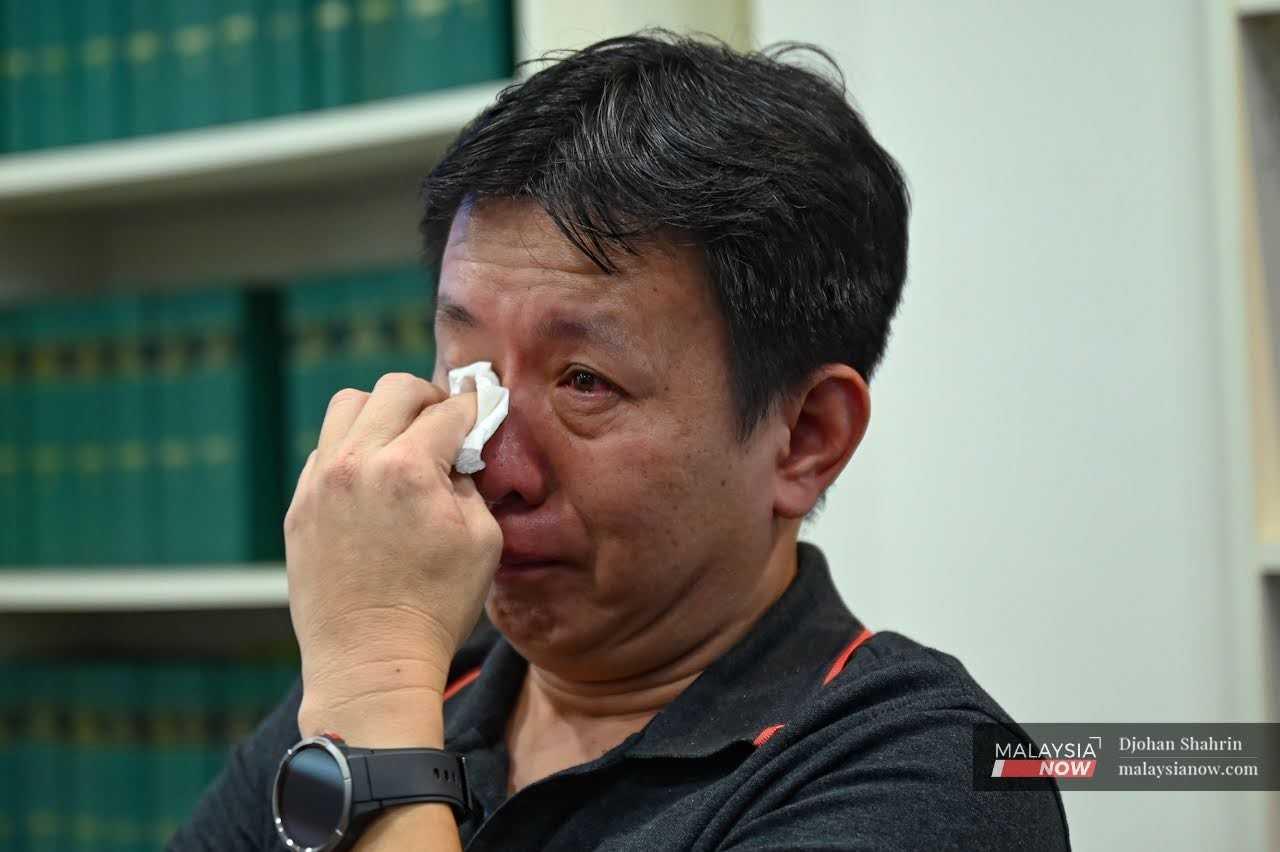
Yusoff Rawther, the thirty-something at the centre of explosive allegations against the prime minister, says he will continue to pursue justice despite threats and intimidation.
Just In
It has been 16 months since Yusoff Rawther's life took a shocking turn.
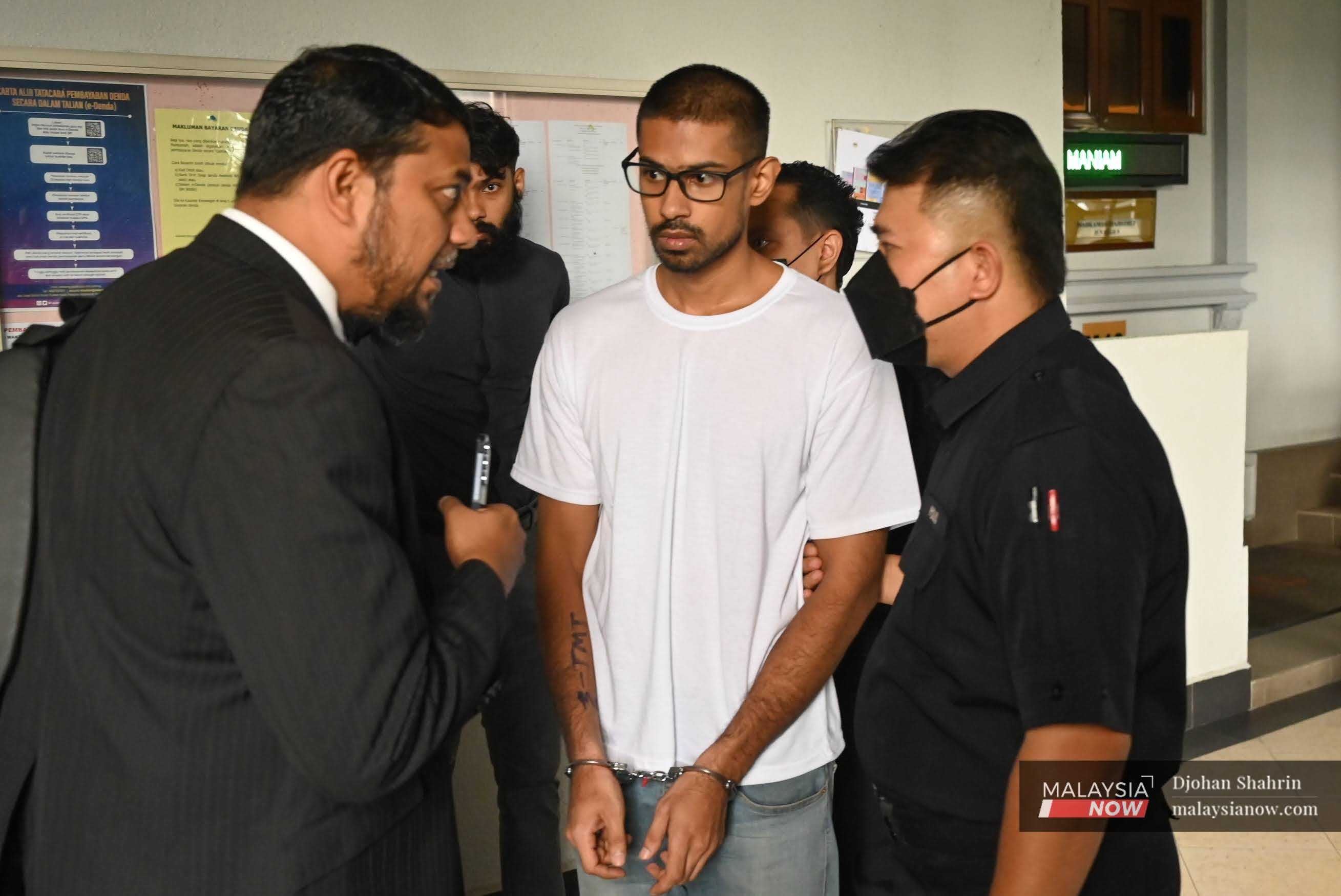
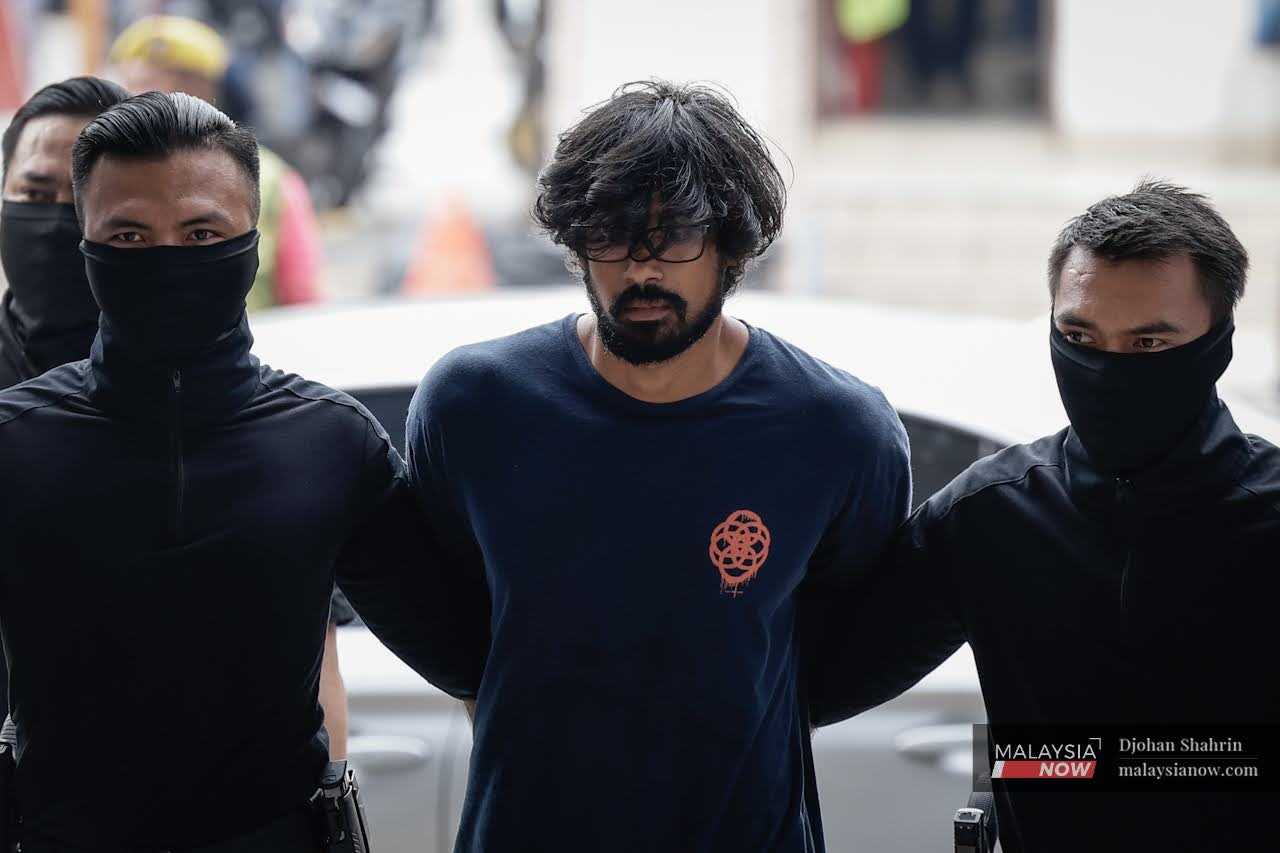
On Friday, Sept 6, 2024, he was preparing to meet his brother before heading to his CrossFit athletic workout. Then, suddenly, police officers swarmed him, claiming there were weapons in his car.
"They did not conduct a proper search. They went straight to specific locations, as if they already knew exactly where the items were supposed to be 'found'," Yusoff, 33, told MalaysiaNow in a recent interview.
Later, police produced pistols from a bag. They took him to the police station, where they then claimed drugs were also found.
Yusoff was not a complete unknown, as he had had run-ins with some of the most powerful individuals he had worked with, namely Anwar Ibrahim and his former aide, Farhash Wafa Salvador.
Both have been named in separate lawsuits and police reports filed by Yusoff: Anwar for sexual assault, and Farhash for physically attacking him. Both incidents allegedly took place in 2018.
That was when both men were still struggling in the opposition. Today, Anwar is the prime minister, and Farhash is a multi-millionaire who occasionally appears in the news over controversial share purchases and sales in major companies linked to lucrative government contracts.
That does not stop Yusoff from pursuing his cases against them. He did not mince words about the people out to get him.
When he was brought before a judge to be charged with possession of illegal weapons, he told the court: "I am framed by those in power."
For Yusoff, there was no doubt about who framed him, especially as it came just a week after he filed his witness list for his suit against Anwar.
Yusoff has repeatedly accused Anwar and Farhash of framing him, and lodged two police reports to investigate the pair. There has only been silence since.
"The police made no effort to investigate my allegations or even pretend to consider alternative explanations."
Guns and drugs
Q: On the morning of Sept 6, 2024, you were walking to your car. Then what happened?
I was suddenly swarmed by police officers who immediately claimed there were weapons in my vehicle. They did not conduct a proper search. They went straight to specific locations, as if they already knew exactly where the items were supposed to be "found".
That told me instantly this was not law enforcement. It was a performance. I never had the chance to see what was going on inside my car as I was held away from it and blocked from seeing their actions.
"At one point, they attempted to physically force my hand onto the packet containing the drugs to transfer my fingerprints. They were trying to manufacture a link that did not exist."
I was arrested on the spot. There was no due process. I was denied my right to call my family. I was denied access to a lawyer. I was denied water and forced to stand for hours.
Q: When did the drugs appear?
After the pistols were produced to justify the arrest, it became obvious to me that they were confirming my identity with someone higher up the chain. Once they were satisfied that I was the correct target, the drugs were later introduced inside the police station compound.
I need to be unequivocal about this: there were never any illegal items in my car at any point.
'They tried to force my hand onto the packet'
Q: Surely you are aware this was not the first time that police have been accused of planting evidence?
The broader context matters. In Malaysia, the police are granted enormous powers with little to no accountability. They do not need to prove ownership. They do not need to establish facts. They can simply construct a narrative and enforce it as truth.
In my case, that narrative depended on drugs conveniently appearing inside a police compound. But when asked for the footage, they gave the oldest excuse in the book: "The camera is broken." They claimed it malfunctioned a week prior, but could not produce a single document or repair log. They expected the court to accept a lie as fact. They did not have evidence; they had a convenient excuse to hide what they really did.
Q: When you were surrounded, and these weapons and drugs suddenly appeared, what ran through your mind?
I denied they were mine. I told them that I was being framed by Anwar. From that moment on, the threats started. I was repeatedly told to shut up. Officers tried to coerce me into signing documents stating that the illegal items were mine.
When I refused, the pressure escalated. At one point, they attempted to physically force my hand onto the packet containing the drugs to transfer my fingerprints. They were trying to manufacture a link that did not exist.
Anwar and Farhash
Q: Tell us about your claim that your arrest is connected to your civil suit against the prime minister.

Yes, I have repeatedly stated that I was being framed by Anwar and Farhash. I made this clear in my statement to the police and also lodged a police report on the day I was charged in court. The police tried several times to prevent me from lodging a police report.
In my report, I clearly stated the motive, timing, and behaviour that aligned, explaining why I knew who had perpetrated these crimes.
I have filed a sexual assault suit against Anwar Ibrahim. I had just submitted my witness list. Within days, I was arrested on charges carrying the death penalty. The police made no effort to investigate my allegations or even pretend to consider alternative explanations.
Q: Apart from the timing, what else made it suspicious?
The complete and deliberate refusal to investigate anything that did not fit their script.
From the very beginning, I told the police that this was political, that I was being targeted because of who I am and what I had exposed. That should have triggered scrutiny. Instead, it was dismissed without a second thought. Not questioned. Not examined. Ignored.
"For nine months, I lived among men who had exhausted every appeal and were simply waiting to die. That proximity to death was constant. It seeps into you."
There was no attempt to understand context. No interest in motive. No effort to explain why someone like me would suddenly be the subject of such an extreme operation. No curiosity at all. Just blind execution of an outcome that had clearly already been decided.
Q: And yet, here you are, telling your story.
They had the full machinery of the state at their disposal. I had nothing except the truth. The fact that I am here speaking today, while they continue hiding behind institutions and procedures, tells you exactly who failed.
Q: Your lawyer, Rafique Rashid, has publicly challenged the inspector-general of police and the attorney-general regarding the specific reports you lodged naming Anwar and Farhash. In light of the court's findings, has there been any progress on those investigations?
None. The silence is deafening, and it is intentional. The High Court judge did not just acquit me; the judgment explicitly stated that the two investigating officers failed in their fundamental duty to verify my defence. That is a judicial finding of failure.
Rafique has repeatedly challenged the IGP and the AG directly. We asked: 'Where is the investigation? Why are you ignoring the court's findings?' They refuse to answer. Why? Because they cannot justify it. Their continued refusal to act, even after a judge exposed their negligence, is a confession in itself.
Thrown into ‘death row’
Q: Tell us about your nine months in Sungai Buloh Prison. Was it anything like you imagined?
No. Anyone who thinks prison is just “time inside” has no idea what they are talking about. Being imprisoned while innocent is psychological torture that is hard to describe. I was held, despite not being convicted, in the high-security death row block, just metres from the gallows.
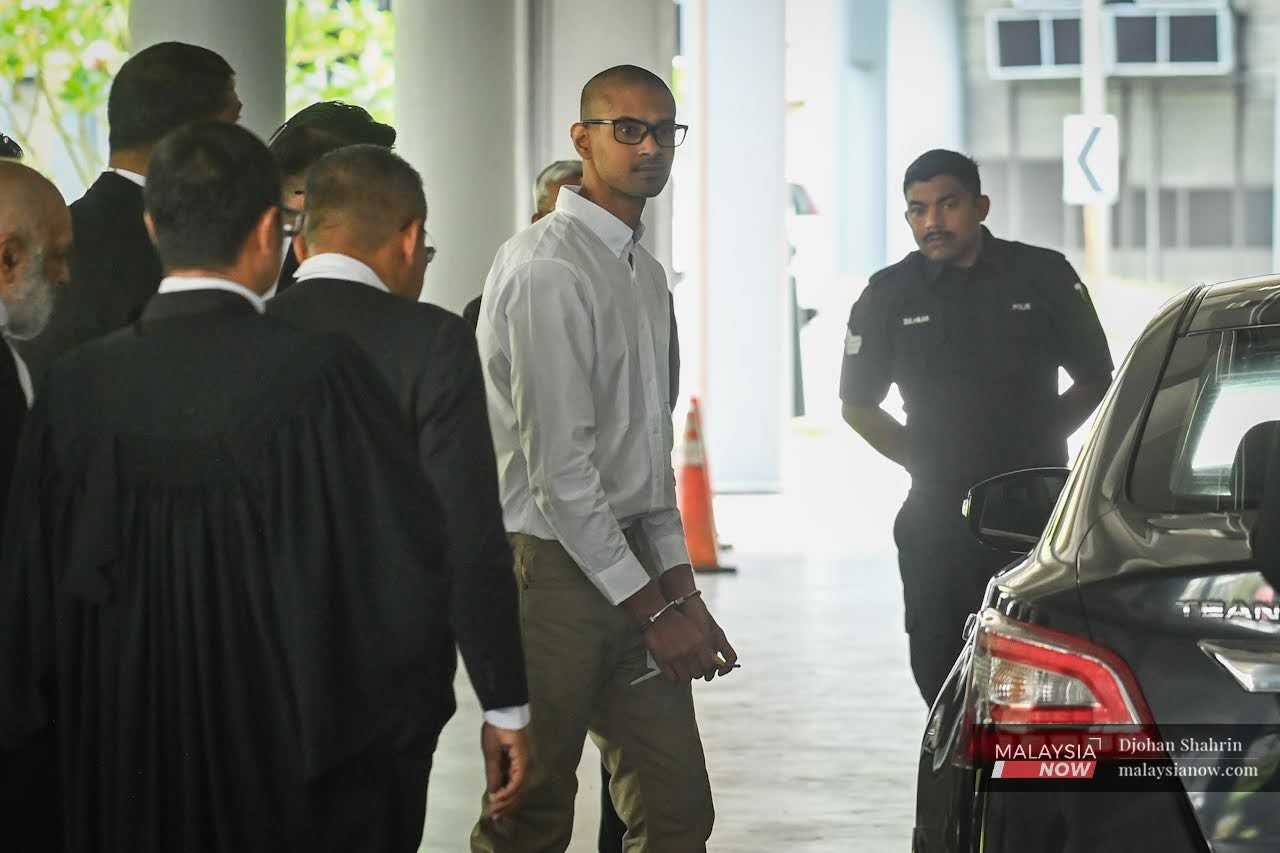
For nine months, I lived among men who had exhausted every appeal and were simply waiting to die. That proximity to death was constant. It seeps into you. On top of that, we were transported to court in cramped, degrading conditions that made it very clear how little human dignity means once the system decides you are expendable.
It was an education in how easily rights disappear when power is unchecked.
Q: Did you receive any explanation for being housed with death row inmates?
No official explanation. I was simply told it came from “orders from above.”
‘I read every single day’
Q: What kept you going during those months?
My family. Without them, I would not have survived. Beyond that, I disciplined my mind. I read every single day – around 87 books – while I was incarcerated. I spoke to other inmates, listened to their stories, and saw the patterns of how people are crushed by the same system in different ways. I refused to let the place turn me into what it wanted me to become.
"I am not surprised. He is a coward. Instead of facing me in court on the facts, he hides behind technicalities to delay the inevitable."
Q: What was the most difficult realisation during your incarceration?
Knowing that the people responsible for the crime committed against me were living freely, while the police, the prosecution, and the Attorney General’s Chambers worked together to keep me buried. Not just the failure of institutions, but complicity, corruption, and abuse of power at every level.
This was not incompetence. It was not error. It was coordination. These institutions did not act as guardians of justice; they acted as political tools. That is a betrayal of the public so deep it should disgust anyone paying attention.
‘Court’s independence freed me’
Q: You were acquitted without your defence being called. Did you ever feel you might not survive the process?
There were dark moments. Anyone who says otherwise has not stared down the barrel of a state-sponsored frame-up.
But I knew the facts were not on their side. Once the trial began, the prosecution’s case collapsed almost immediately. It was a parade of incompetence and malice: missing evidence, ignored leads, obvious suppression. Their panic became visible in open court. Their desperation was pathetic. The judiciary held its ground. That independence is the only reason I am free today.
Life after prison
Q: What is one lasting impact of your imprisonment?
Hardship exposes people. Some disappeared. Others stood firm. What truly humbled me was the public – ordinary Malaysians who came to court, sent messages, and stood with me despite the risks. I will never forget that.

Q: What has reintegration into society been like?
I am hyper-vigilant. This experience taught me that the state’s machinery can be turned on any ordinary citizen at any time. In my case, the police did not act as an independent force; they acted as enforcers for political interests. In practical terms, that is no different from organised criminal behaviour.
‘Truth does not expire’
Q: Do you plan to pursue civil or legal action after what you went through?
Yes.
Q: What is the status of your sexual assault suit against Anwar?
It is now postponed pending the outcome of a Federal Court decision on his application for immunity. I am not surprised. He is a coward. Instead of facing me in court on the facts, he hides behind technicalities to delay the inevitable. But I am young. I can wait. I will wait. The truth does not expire.
Q: If you could speak to your past self, what would you say?
I would say this: You will learn that truth is not a shield. The world does not owe you fairness. It will break you and wait to see if you remain broken. Build a fortress inside your own mind, because that is the only sanctuary no one can enter. Freedom is terrifying because it requires standing alone. Do not trust applause. Do not fear silence. No matter how heavy it becomes, stand up. That is the only victory that endures.
See more of our coverage in your search results.
Subscribe to our newsletter
To be updated with all the latest news and analyses daily.
Related Articles
Most Read
No articles found.