PM's meetings with state leaders just 'taking care of business', say analysts
They say there is nothing out of the ordinary about such meetings and that they should not be politicised.
Just In
Analysts say that meetings between the prime minister and state leaders to discuss economic and financial matters are nothing out of the ordinary, as both sides need to ensure an open line of communication to facilitate cooperation between the central and state governments.
Jeniri Amir, a senior fellow at the National Professors Council, said Malaysia practises a federal system, meaning it is the responsibility of the federal government to attend to requests from state administrations, including on allocations.
Speaking to MalaysiaNow, he said this was also in line with democratic practices and reflects a professional attitude in setting aside party ideologies in order to resolve the issues faced by the people.
"We practise a federal system, so there's no problem," he said.
"It is the federal government's responsibility to help and to channel the appropriate allocations to each state government regardless of political party."
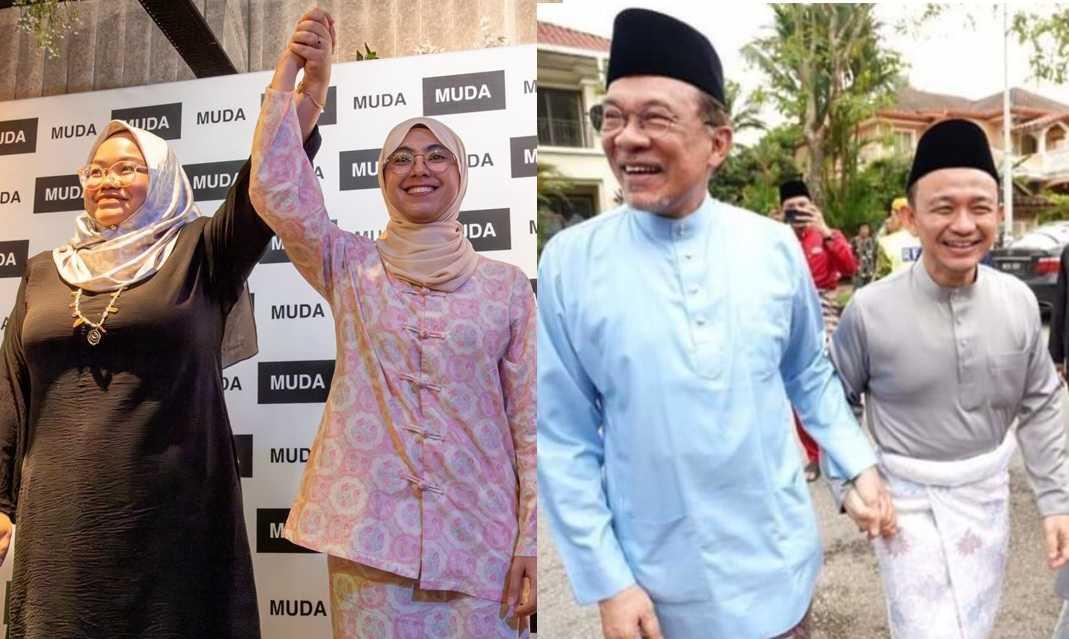
Perlis Menteri Besar Mohd Shukri Ramli previously expressed disappointment with Economy Minister Rafizi Ramli, saying he had politicised the bilateral meeting between him and Prime Minister Anwar Ibrahim.
He said the meeting at the prime minister's invitation was not to beg for charity, but to discuss matters on the development of the state.
Oh Ei Sun of the Singapore Institute of International Affairs said such meetings were normal.
"It is a quite common practice for state leaders to meet with the prime minister to discuss especially urgent needs of the state, regardless of political affiliation.
"I remember last time Najib Razak and Lim Guan Eng also met in Putrajaya and Penang – it’s just taking care of business, no hard feelings," he said.
When asked about double standards between the central and state governments, James Chin of Australia's University of Tasmania said there was no denying that this would continue to be the case.
"You will always have double standards," he said. "Obviously, Anwar would want to promote Pakatan Harapan, especially when states like Kelantan and Terengganu which are led by PAS will use government funds to support their political agenda."
He, too, said it was "very normal" for state leaders in the peninsula to meet with the prime minister, especially if they happened to be from the same party.
"States in the peninsula rely on the federal government for their budget," he said.
Jeniri meanwhile said that double standards also exist at the state legislative assembly level, where opposition-held areas are often seen as receiving less attention than those led by government representatives.
"But whether at the federal or state level, this is something that should not happen."
See more of our coverage in your search results.
Subscribe to our newsletter
To be updated with all the latest news and analyses daily.