
Umno digging its grave deeper, says ex-deputy division chief
Tun Faisal Ismail Aziz says the mistakes continued after GE15 with Barisan Nasional's decision to work with Pakatan Harapan.
Just In
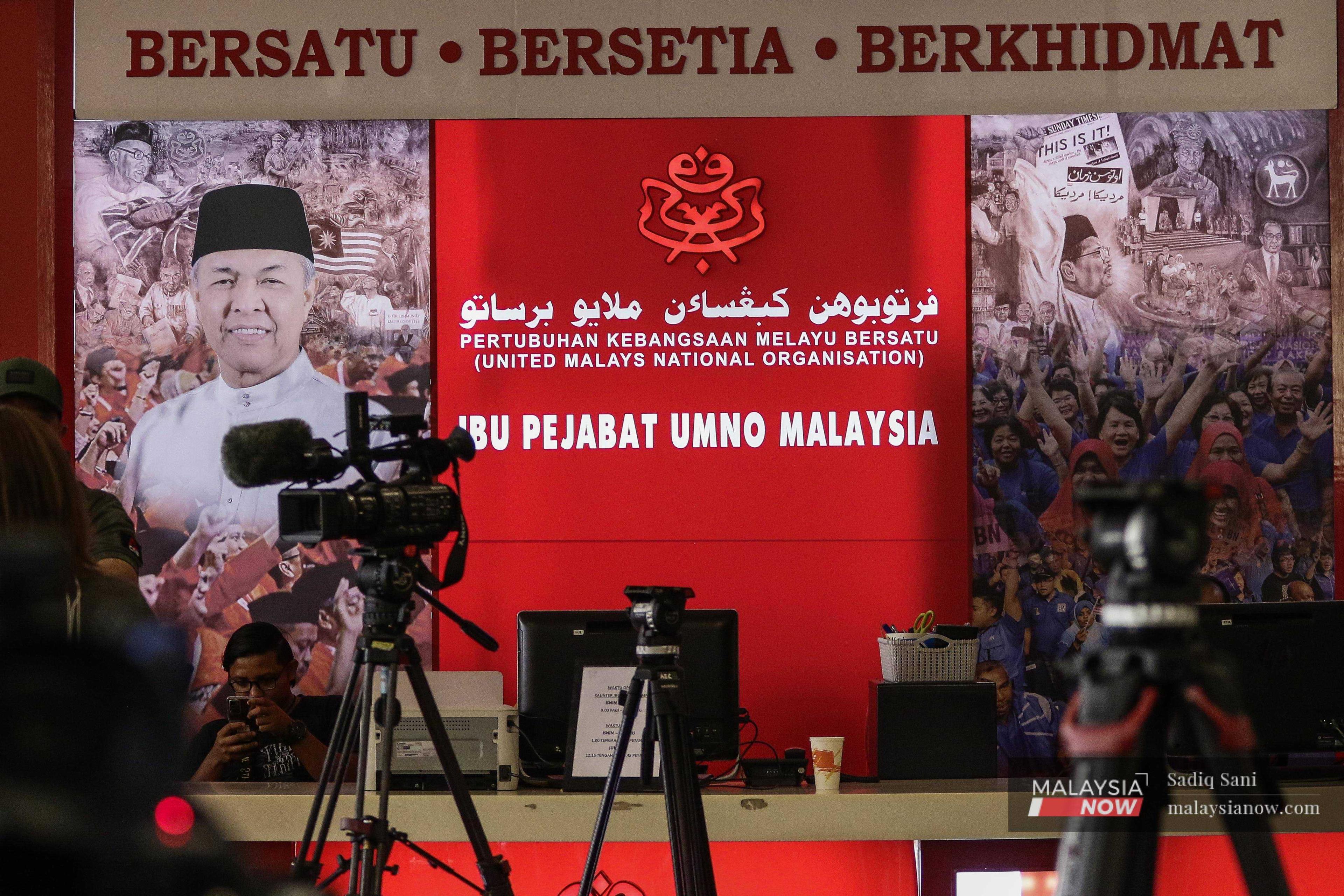
Umno appears to be digging its own grave, although the depth of that grave has not yet been determined, says former Putrajaya deputy division leader Tun Faisal Ismail Aziz.
Speaking in an interview with members of the media, he said Umno had not learnt its lesson from the last general election in 2018, when it lost for the first time to Pakatan Harapan (PH).
Instead, he said, it had continued making mistakes in the run-up to the 15th general election (GE15) on Nov 19.
Faisal said the main rejection of Umno was due to the background of leaders with liabilities, which had affected the party's reputation in GE15.
As a result, he said, voters including Umno supporters and members had jumped ship to Perikatan Nasional (PN) out of dissatisfaction with the stance of their president, Ahmad Zahid Hamidi.
"They didn't just lose in terms of Barisan Nasional (BN), which dropped from 79 chairs in Parliament to 30," he said.
"Umno itself was reduced from the 54 seats it won at GE14 to just 26."
He said the shift in support to PN had also caused Umno to lose Perlis, leaving it gravely injured in Perak and Pahang and nearly buried in the federal territories.
Worse, he said, BN MPs in Kedah, Penang, Kelantan, Terengganu and Melaka lost their footing with Zahid himself winning in Bagan Datuk by only a narrow margin of 348 votes.
Faisal said Umno's self-defeating behaviour continued even after the election, when Zahid refused to step down as president as his predecessor Najib Razak had done after GE14.
"After that, it dug its grave even deeper by agreeing to work with Pakatan Harapan (PH)," he said.
"Voters and supporters feel betrayed. They voted for Umno because of its 'No Anwar, no DAP' tagline, but in the end, cooperation was forged."
He said many had chosen to support Bersatu instead, as it was seen as an alternative party with the same direction and struggle, and was also working with PAS.
On Umno's performance following its election defeat in 2018, Faisal said the party had managed to make headway in terms of its reputation during its time in the opposition.
He said Umno had been well received, especially after forming the Muafakat Nasional pact with PAS, citing the series of by-elections in which the BN lynchpin had claimed victory.
He said Umno had also been welcomed upon its return to the government after the collapse of the PH administration, although the situation began to change after July 2020, when Najib was convicted and sentenced by the High Court to 12 years in prison on top of a RM210 million fine.
"Things became tense with PN, and talk began about the signing of statutory declarations to make Anwar Ibrahim the prime minister," he said.
Political analyst Azmi Hassan said there might have been wisdom in BN's decision to work with PH, adding however that drastic change was needed within Umno itself.
He said that in order to restore its standing in the public eye, MPs appointed to Cabinet portfolios would need to perform well.
"They must prove that they can work well even though the majority support for this government is for PH, not BN," he said.
"This is difficult to say as BN has only 30 seats. But if they take the right approach, the interests of this unity government will also depend on the support for BN, thus proving that they can remain relevant."
See more of our coverage in your search results.
Subscribe to our newsletter
To be updated with all the latest news and analyses daily.
Most Read
No articles found.