Booster deadline extension nothing to do with Johor polls, says Khairy
The health minister says no further extensions will be given.
Just In
The extension of deadline to March 31 for Sinovac recipients aged 18 and above and senior citizens aged 60 and above to get their booster shots has nothing to do with the Johor state election, Health Minister Khairy Jamaluddin said today.
He said the extension was to give time to the two groups to complete their booster dose injections as many had yet to receive the jab.
“There are also many requests from this group to extend the period for them to take this booster dose. This is the last extension, it is final, and if by March 31 they still do not take the booster dose, their vaccine status will be changed to ‘incomplete’,” he said during the question-and-answer session at the Dewan Rakyat sitting today.
He said this in his reply to Dzulkefly Ahmad (PH-Kuala Selangor), who wanted to know whether the reason for the extension had anything to do with the Johor polls.
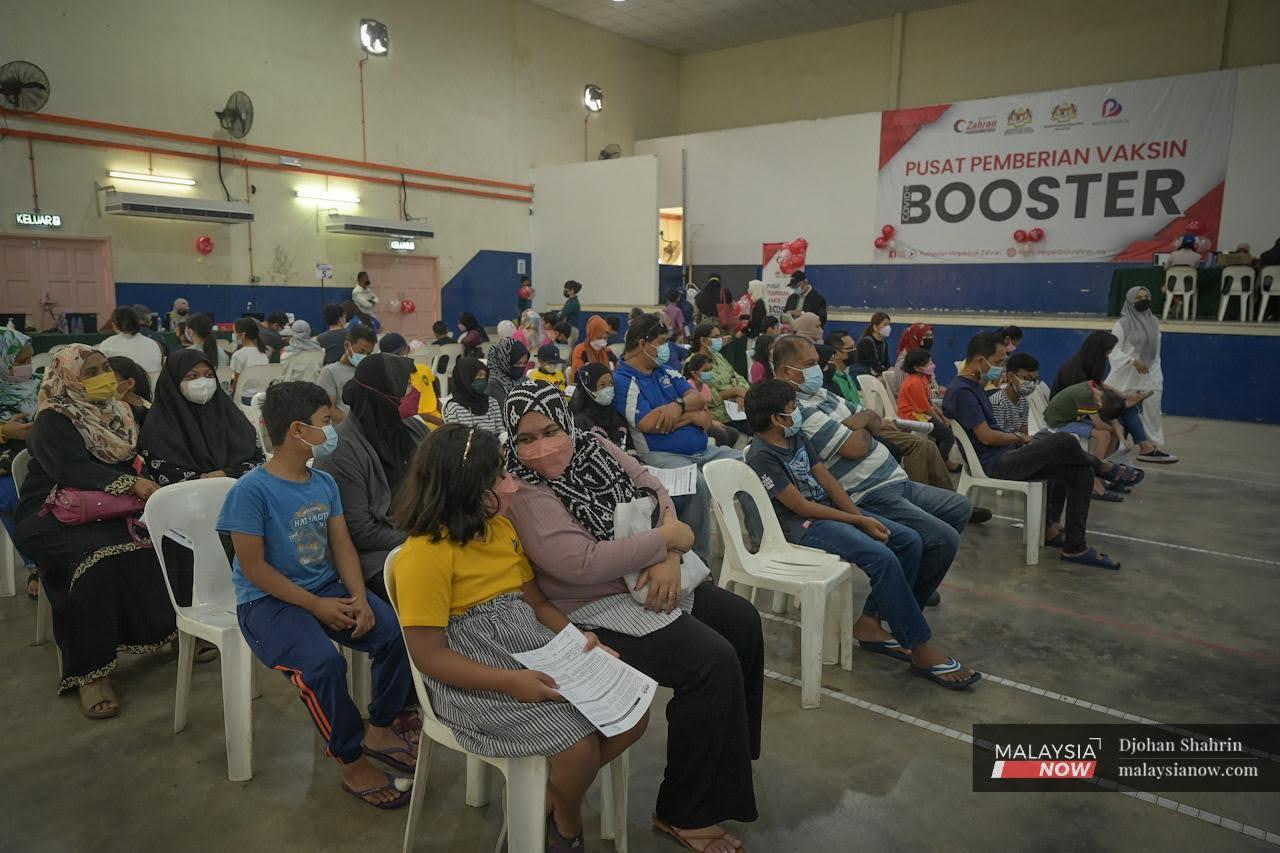
Meanwhile, Khairy said the move to open vaccination centres (PPV) on a walk-in basis and provide booster dose vaccine options was to help increase the number of booster dose recipients in the country.
The health ministry previously said that vaccine recipients aged 60 and above and Sinovac recipients aged 18 and above must receive a booster dose before Feb 28 to maintain their fully vaccinated status.
On the vaccination of children aged five to 11, Khairy said Sarawak had the highest number of recipients with 57% of children in the state given a first dose.
Replying to Oscar Lin Chai Yew (PH-Sibu) who asked the ministry about the seriousness of Omicron compared with other variants, Khairy said although a sharp increase had been recorded, over 99% of daily cases are in Category One and Two.
“Although there was an upward trend in hospital admissions during this Omicron wave, the discharge rate from hospital also rose sharply given the high recovery rate and the short duration of treatment in hospital,” he said.
He said compared with the Delta variant, the Omicron variant seemed to infect the upper respiratory tract, allowing it to infect easily and quickly.
Apart from that, he said, the Omicron variant was found to have less capacity to infect lung tissue, which explains why individuals infected with the variant have a milder infection than those infected with Delta.
While there had been an increase in the number of ICU beds used and daily deaths during the fifth epidemiology week, he said, this was still 80 to 90% lower compared with the situation during the Delta wave in August last year.
“One of the factors is that 78.9% of the Malaysian population have completed their vaccination.
“The regression rate of Covid-19 patients to Category Three to Five is low, the recovery rate is high, and the duration of treatment in hospital is not prolonged,” he said.
He added that the health ministry had implemented various measures to help tackle the challenges of the Omicron wave, including administering booster doses, improving the management of Covid-19 through the automated FTTIS (Find, Test, Trace, Isolate and Support) approach, and joint ventures with private health facilities.
Other steps include developing the Covid-19 Clinical Care Pathway to introduce the latest antiviral drugs for high-risk patients in the early stages of infection and reactivating the National Rapid Response Task Force 2.0 starting Feb 7.
Subscribe to our newsletter
To be updated with all the latest news and analyses daily.