On the fringes of Muar, traders rank business over politics
As the psychological effect of Covid-19 continues to take its toll on business, an analyst warns that campaigns to tarnish the image of opposing parties may backfire.

Just In
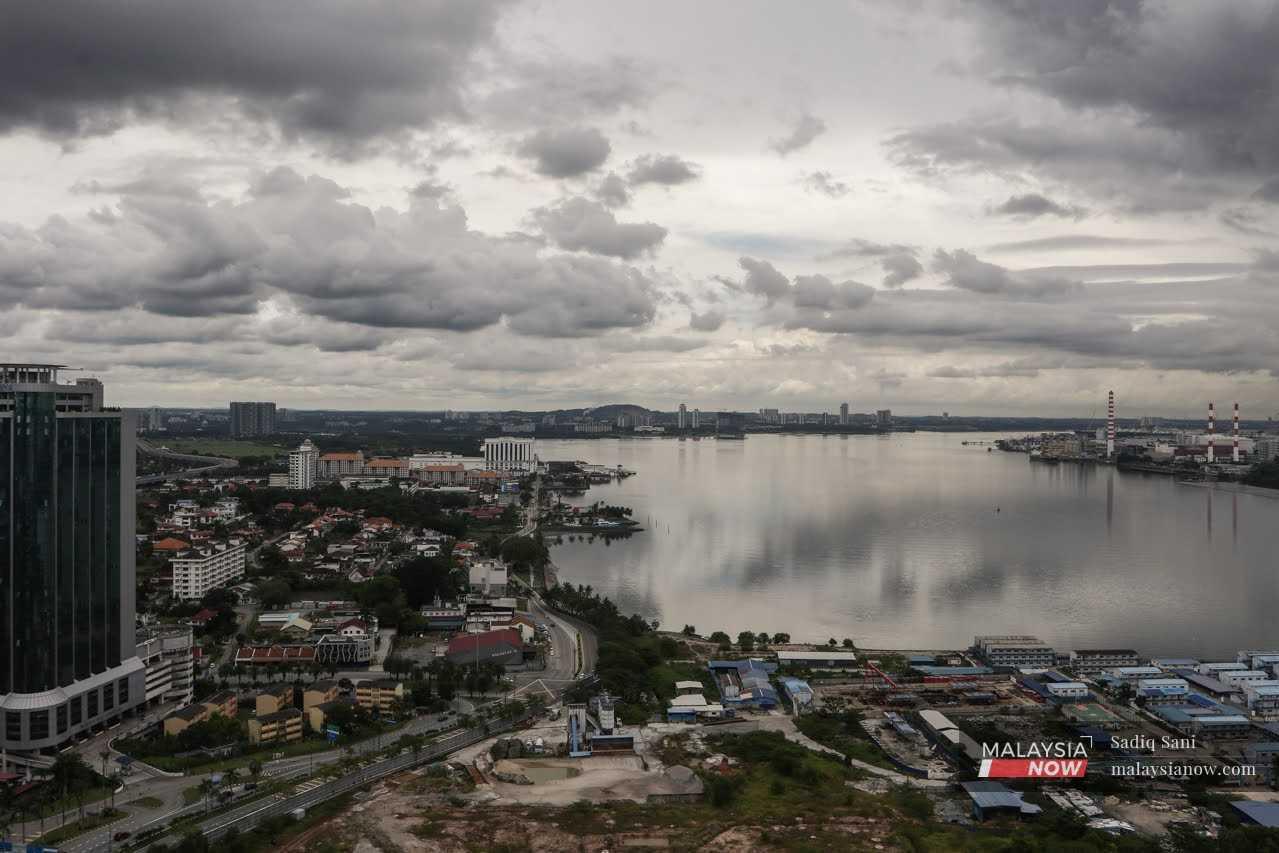
In Muar, one of the oldest settlements in Johor, the air is thick with a sense of peace and serenity that appears to have been accumulated throughout the years.
Through the royal town of Johor flows Sungai Muar, which is lined on either side with restaurants and eateries where customers flock to enjoy a view of the water as it makes its gentle way into the Straits of Melaka.
Every once in a while, a boat makes its way across the water, sending small ripples across the otherwise placid surface.
But beneath the veneer of calm projected by the river lies a quiet anxiety, a blanket of which hangs over the traders in the area.
Many of these traders have their stalls set up in the old colonial-era buildings north of the Muar bridge.
Here, trade appears brisk despite the several empty lots still awaiting tenants.
But Benny Fong, who sells pau or steamed buns in Jalan Khalidi, said his business is beset with uncertainty.
“It used to be that by 10am, most of my paus were sold,” he told MalaysiaNow. “I could close shop.
“But now, business is very slow, especially post-Chinese New Year.”
Fong attributes the lacklustre business to public concern over the Covid-19 situation, in addition to the closure of factories and schools in the area.
For 10 years, he has been running the family business at his small stall. Now, though, he struggles to find customers each day. Those who come do not buy as much as they used to.
Gesturing at the rows of unsold paus before him, Fong said he was nonetheless more fortunate than some of the other traders in the area who had been forced to close shop.
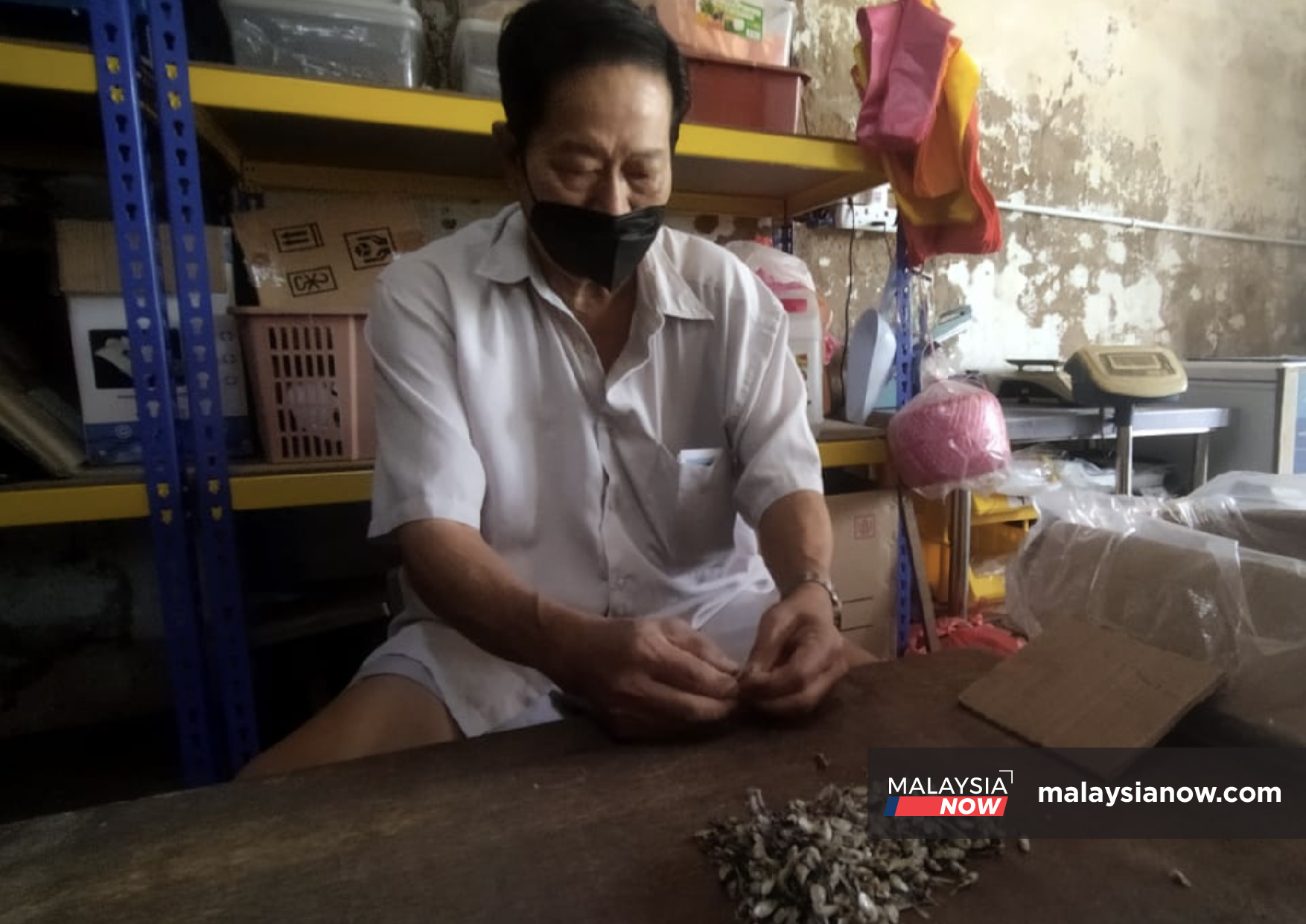
At a nearby stall selling dried fish, a trader named Tan said the drop in purchasing power and increase in cost of goods had had an impact on the business.
“I get my raw goods from Pulau Ketam in Selangor, and some from Kedah and Thailand,” Tan, who has been selling dried fish in Muar for 50 years, said.
Today, he said, the price of fish is quite high and customers are careful in how they spend their money.
It used to be that customers would buy as much as a kilo or two of ikan bilis or anchovies – but not anymore.
“There used to be a lot of tourists from Singapore too, before Covid-19,” he said.
“Now, no one comes from Singapore. We have really been affected.”
Tan, who runs the stall with his son, said the cost of wet goods is less than that of dried, which has also had an effect on customer preferences.
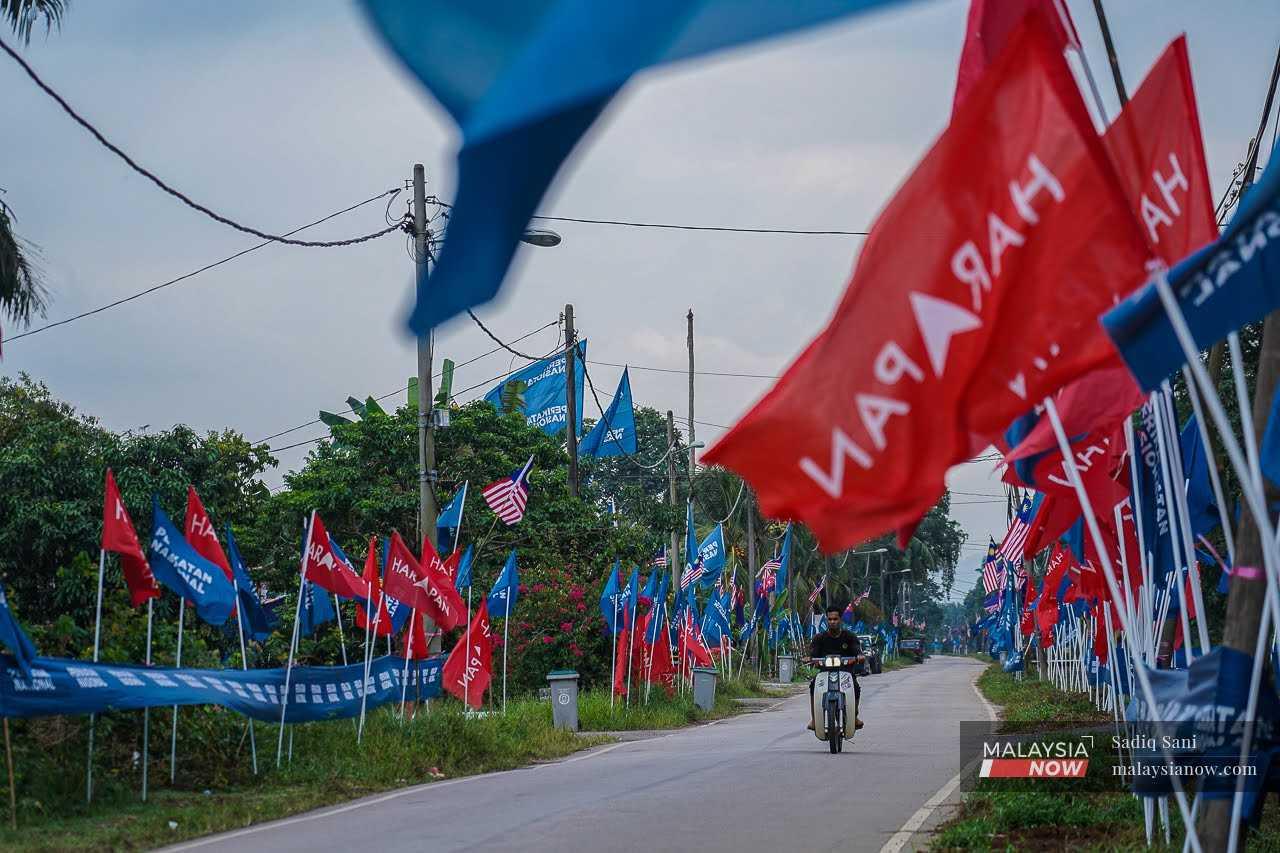
The area in the middle of the city is within the state constituency of Bentayan, whose incumbent is DAP’s Ng Yak Howe.
At the Johor election on March 12, Ng will face off against MCA’s Gan Qi Ru and Tan Kok Hong of Perikatan Nasional.
Ng won the seat with a comfortable majority of over 13,000 at the 2018 general election. However, it remains to be seen whether he will be able to replicate his success at the Johor polls.
The psychological impact of Covid-19 and the gloom of economic uncertainty appears to have dampened the spirits of voters in Bentayan, the majority of whom are Chinese.

Over at Maharani Riverview, Zulkifli Abdul Hamid who owns a bicycle shop said stability, aid and business continuity are the main focus of traders at the moment.
“I don’t think the results in Johor will be too far off from that of Melaka,” he said.
“People aren’t thinking too much, all they want is stability.”
From his point of view, many have become indifferent towards the various political blocs.
Zulkifli’s business is still far from the level it was at before the Covid-19 pandemic, but he is fortunate to have rented his spot at the arcade for less than the market price.
Nevertheless, Barisan Nasional may have accurately gauged the mood on the ground in rehashing its slogan from the Melaka polls – “Stability for the future”.
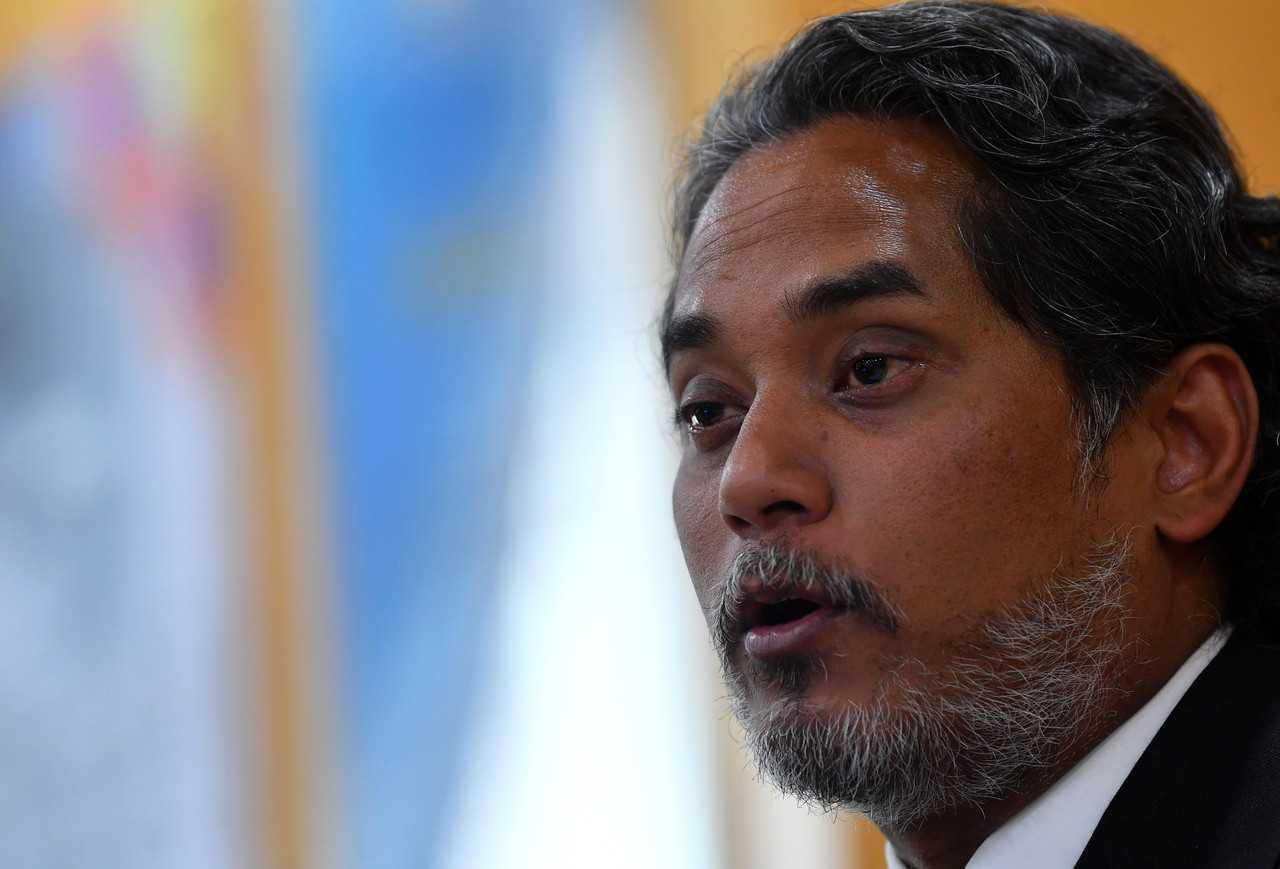
While the momentum for the Johor election has yet to build, Amanda Yeo from think tank Emir Research cautions that tactics used in the last general election such as tarnishing opposing parties or spreading negative issues will not go far in attracting the support of voters.
“Campaigns to muddy opposing parties will not have a big impact on voters,” she said, adding that the opposition has still yet to name its candidate for the position of menteri besar.
“The opposition is also split – DAP, Amanah and Muda are working together,” she said, referring to PKR’s decision to contest using its own logo.
Yeo also said that a growing number of voters wish to evaluate the candidates’ abilities before casting their votes.
“For instance, MCA might not be a favourable party among the Chinese community, but some Chinese have decided that they will vote for the MCA candidate if he or she can serve the people well.”
Yeo also said that the attention now would be on improving the living environment as well as the ability to generate incomes.
Back in Muar, Fong appears to agree. Speaking to MalaysiaNow at his stall, he dodges questions on political parties.
He said the only thing that could be hoped for from those who become representatives is that they will serve the people as they should.
“Whoever forms the government, our situation remains the same,” he said.
“They can’t do anything. We just hope that they will help a little bit.”
Subscribe to our newsletter
To be updated with all the latest news and analyses daily.