Lawyers blast bid to penalise them for defending death row duo as Singapore court reserves judgment
Singapore's AG wants personal costs imposed on M Ravi and Violet Netto in what is seen as a form of harassment against lawyers challenging the city-state's death penalty narrative.
Just In
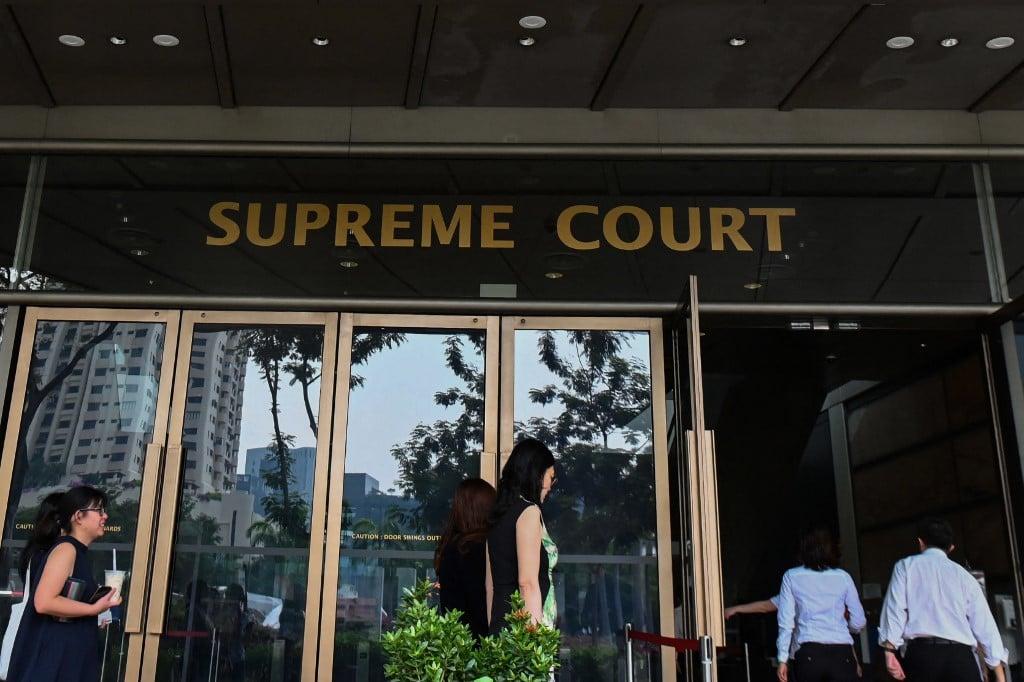
The High Court in Singapore today reserved judgment in the case of Malaysian Pausi Jefridin and Singaporean Roslan Bakar, but not before the Attorney-General’s Chambers requested that penalties be imposed on their two lawyers.
This puts on hold the looming executions of Roslan and Pausi, who were initially scheduled to be executed on Feb 16 in a move which sparked renewed criticism of the city-state for its continued use of the death sentence on drug mules.
However, senior prosecutor Francis Ng representing the AG asked judge Kannan Ramesh to impose an order for personal costs against the duo’s pro bono lawyers Violet Netto and M Ravi, a move slammed by Violet.
“How can you penalise us for doing our job?” she was quoted as saying by Malaysian human rights lawyers observing the case.
“You are threatening us,” the 78-year-old added.
This comes days after the Singapore attorney-general served contempt of court applications on Ravi, allegedly based on his conduct during two cases handled in November last year.
Ravi was said to have been “rude” to the court, a claim slammed by rights group Lawyers for Liberty as a “ridiculous reason to cite defence counsel for contempt”.
Singapore has consistently discouraged lawyers from taking up legal challenges by death row prisoners by ordering personal costs against them.
This trend has escalated since the infamous case involving Sarawakian Kho Jabing, where defence lawyers were subjected to costs orders.
Kho was executed in May 2016. The case sparked outrage over the speed at which authorities rushed his execution, bringing him to the prison gallows at 3.30pm, hours after his case was dismised.
Roslan and Pausi had been scheduled to hang for trafficking drugs in Singapore, which has some of the world’s toughest drugs laws.
This was despite criticism from a number of quarters including the United Nations which said that the use of the death penalty for drug-related offences was incompatible with international human rights law.
Concern was also raised over medical reports on their intellectual capabilities which would render their executions illegal under Singapore laws as well as international treaties.
They were granted a last-minute respite by Singapore President Halimah Yacob on Feb 17.
Their case is similar to that of Nagaenthran K Dharmalingam, a Malaysian diagnosed with an IQ of 69 who was to have been executed in November last year.
He was granted a stay of execution after a diagnosis of Covid-19 just before the court was due to hear a last-ditch appeal to save his life.
Another appeal has been scheduled for March 1.
Subscribe to our newsletter
To be updated with all the latest news and analyses daily.